A Distress Call to Nigeria: Fix Trust Crisis To Avoid Peace Crisis
"The Independent National Electoral Commission (INEC) must earn public confidence before polling begins. Its chairman, Professor Joash Amupitan, has faced public criticism, including concerns attributed to legal scholar Sam Amadi about his public communication and performance."
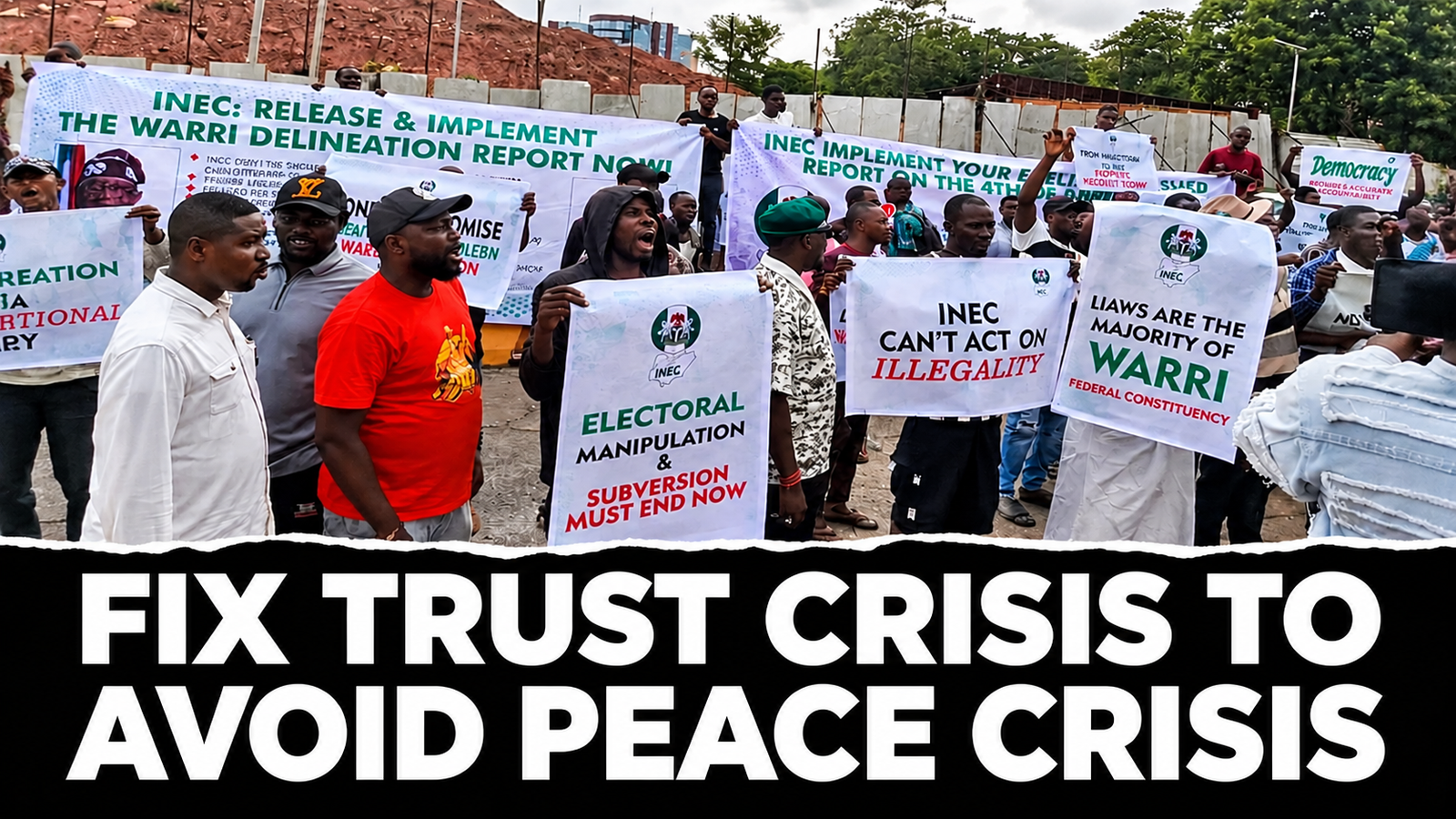
Nigeria increasingly resembles a toy in the hands of those entrusted with its future. Just as a child learns not to play with fire through experience, political leaders must understand that public patience is not unlimited. Nigerians’ resilience should never be mistaken for acceptance of injustice. Citizens must insist, peacefully and firmly, on accountability.
Four years should be enough for an administration to establish visible foundations for progress. A government seeking reelection ought to be judged primarily by its record, not by fresh promises. As the 2027 elections approach, the All Progressives Congress (APC) and President Bola Ahmed Tinubu must answer difficult questions about living costs, insecurity, poverty and the effectiveness of their policies. The party’s years in power, including the administration of former President Muhammadu Buhari, deserve sustained scrutiny. Tinubu’s longstanding leadership within the APC also makes it difficult to separate his political influence entirely from that history.
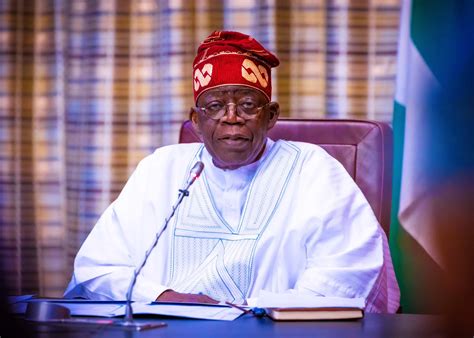
The greater concern is the country’s fragile political climate. Public frustration and distrust could turn an electoral dispute into a national crisis. In my assessment, the administration has not yet demonstrated a record that merits automatic renewal of its mandate. But the answer must be a credible election in which voters—not political power brokers—decide the outcome. Any credible allegation of manipulation should be investigated promptly, transparently and through lawful channels.
After more than two decades of uninterrupted civilian rule, Nigerians still confront severe hardship, insecurity and allegations of corruption. Democracy cannot be defined merely by the difference between military uniforms and civilian agbada or baban riga. Its substance lies in accountable leadership, respect for institutions and tangible improvements in citizens’ lives. Without those outcomes, elections risk becoming rituals rather than instruments of public control.”Fearful as reality is,it is less fearful than evasions of reality.Look steadfastly into the slit pinpointed malingnant eyes of reality as an old hand trainer dominates his wild beasts”Caitlin Thomas
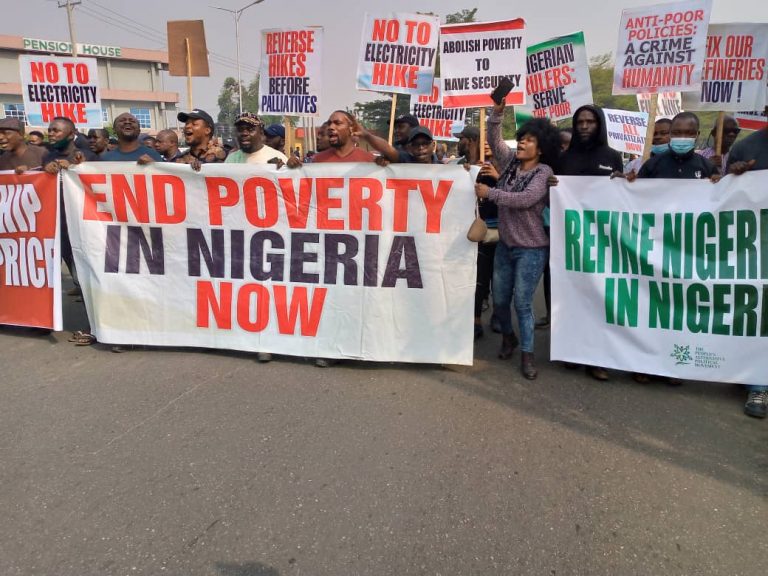
The social contract gives elected officials limited terms and an obligation to use public resources responsibly. Major projects may legitimately extend beyond a single term, but they require transparent financing, realistic milestones and continuity beyond the ambitions of any officeholder. The Lagos–Calabar Coastal Highway, for example, raises important questions about priorities and opportunity costs. Nigerians deserve a clear explanation of how such expenditure compares with urgent investment in agriculture, food security and other immediate needs.
Local government autonomy is another test of political will. Following the Supreme Court’s ruling, citizens should be able to see concrete progress toward implementation. Likewise, increased allocations to states following fuel-subsidy removal should translate into visible relief and services. Although governors bear direct responsibility for state spending, the federal government can strengthen transparency, public reporting and intergovernmental accountability. The painful consequences of subsidy removal and exchange-rate reforms make this duty especially urgent.
Insecurity also demands more than slogans. Proposals such as state policing should be assessed against clear safeguards, funding arrangements and the risk of political abuse. Nigerians need practical protection, effective law enforcement and measurable results—not campaign rhetoric. As political commentator and Social Democratic Party figure Prince Adewole Adebayo has argued in sharply critical terms, political skill must not be confused with governing competence.
The Independent National Electoral Commission (INEC) must earn public confidence before polling begins. Its chairman, Professor Joash Amupitan, has faced public criticism, including concerns attributed to legal scholar Sam Amadi about his public communication and performance. Such criticisms should be addressed through openness, demonstrable independence and transparent electoral preparations. Calls for his resignation are a legitimate subject of public debate, but allegations and political judgments should not be treated as proof of wrongdoing.
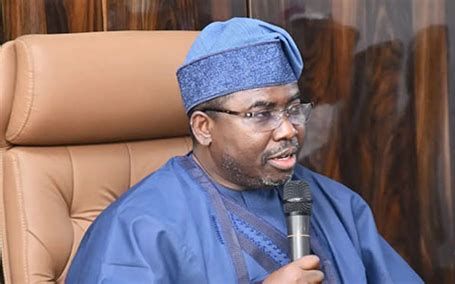
The central warning is simple: an election widely perceived as illegitimate could deepen division and threaten peace. Government, INEC, political parties, security agencies and civil society must act now to prevent that outcome. Citizens, too, must defend their votes through peaceful participation, lawful protest, observation and sustained demands for accountability. Nigeria cannot afford another election that leaves the public feeling powerless.
The time to safeguard 2027 is now—not after confidence has collapsed. Justice, transparency and the will of the electorate must prevail. A nation that ignores these principles risks sacrificing both democratic legitimacy and the peace on which its future depends.
In Conclusion, Different Voices, Shared Democratic Concerns
The statements examined in this essay reveal a range of concerns about Nigeria's approaching 2027 elections.
The National Peace Committee has documented reported violations of political peace commitments. Femi Falana and Ayo Obe have addressed the importance of credible elections, judicial integrity, and accountable leadership. Peter Obi has spoken about resisting electoral manipulation. Yiaga Africa has presented evidence of public willingness to vote alongside concerns about institutional trust.
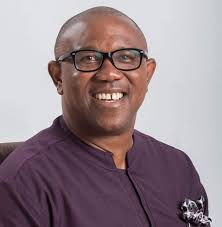
The Nigeria Civil Society Situation Room has documented election-related attacks and fatalities. ActionAid Nigeria has demanded transparent evidence of operational preparedness. The National Human Rights Commission has raised concerns about civic freedoms and political intimidation. INEC has warned about the responsibilities of election tribunals and the potential consequences of inflammatory political language.
These interventions should not be interpreted as unanimous agreement on the causes of Nigeria's electoral challenges or on the appropriate political solutions. They nevertheless identify important questions about public safety, democratic accountability, and institutional preparedness
What emerges is a need for sustained attention to the conditions under which citizens will exercise their democratic rights.
The central question is not whether Nigeria's 2027 elections are destined for crisis, but whether political leaders, electoral institutions, security agencies, and citizens can address documented risks before those risks develop into more serious problems.Nigeria must fix the crisis of confidence before it becomes the crisis of peace. ”It is in the years of peace that war is prevented .And those foundations laid upon which the the noble structures of the future can be built .That peace would not be preserved without the virtues which make victory possible in war.Peace would not be preserved by pious sentiments expressed in terms of platitude or by official grimaces and diplomatic correctitude, or by casting aside in dangerous times,alternately, all warlike strength. There must be honest thought , there must be faithful perseverance and foresight.Great heart must have his sword in armor to guard the pilgrims on their way” Sir Winston Churchill.
God bless Nigeria
Enjoyed this? Get the weekly round-up
New posts from Giantability in your inbox once a week, plus each new magazine issue.