
Nigeria: A Nation Rigged Before 2027 Elections
"The fairness of the 2027 contest will depend not only on the voting process itself, but also on whether political parties can organize freely, electoral rules are applied impartially, public resources are protected from partisan misuse, and voters retain meaningful choices"
.jpeg)
The contest for 2027 is not taking place only at polling units. It is already unfolding through political realignments, defections, and the movement of elected officials from opposition parties into the ruling All Progressives Congress party.
Between 2025 and 2026, governors including Sheriff Oborevwori of Delta, Umo Eno of Akwa Ibom, Peter Mbah of Enugu, Douye Diri of Bayelsa, Siminalayi Fubara of Rivers, Agbu Kefas of Taraba, Caleb Mutfwang of Plateau, Ahmadu Fintiri of Adamawa, and Dauda Lawal of Zamfara moved from the PDP to the APC. Abba Kabir Yusuf of Kano also moved from the NNPP to the APC.
These developments raise questions that go beyond party membership. When a governor elected on one political platform moves to another, what becomes of the expectations of the electorate? Nigerians vote for candidates, but political parties also represent policies, promises, identities, and competing visions of government. A governor's decision to change parties may therefore leave some voters feeling that the political choice they made has been altered without their participation.
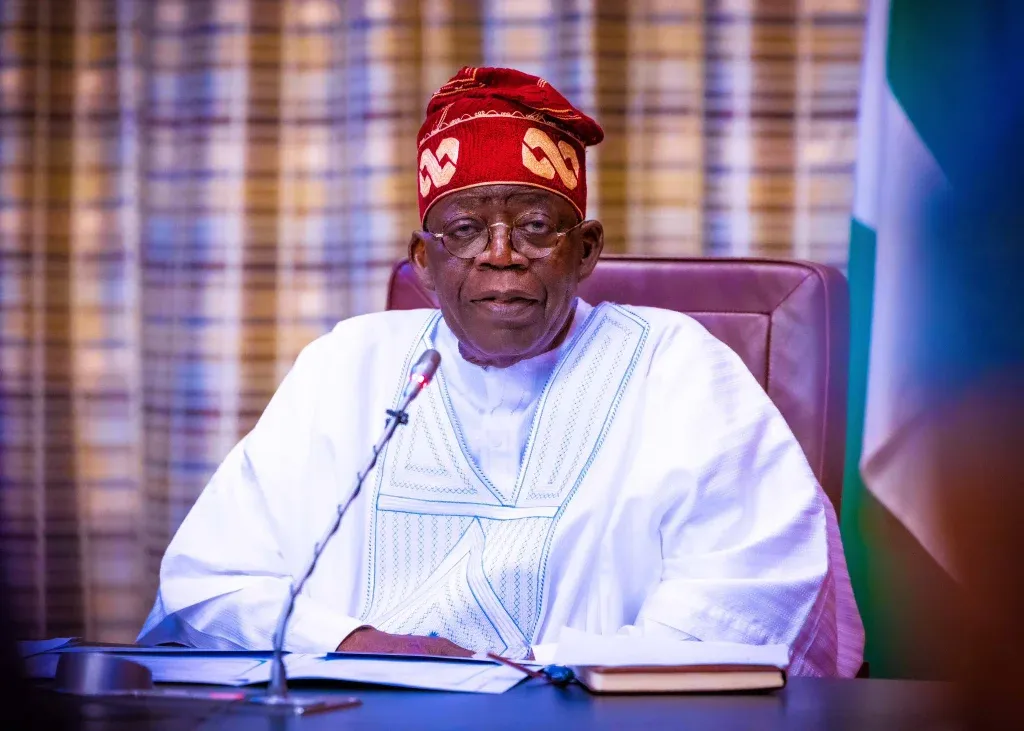
The constitutional position must be understood. Nigeria's Constitution does not impose the same anti-defection restrictions on governors that it imposes on federal legislators. Consequently, a governor's defection cannot automatically be described as illegal. Nevertheless, constitutional permissibility does not settle every question of democratic accountability. Citizens are entitled to ask whether their representatives have respected the political commitments upon which they sought election.
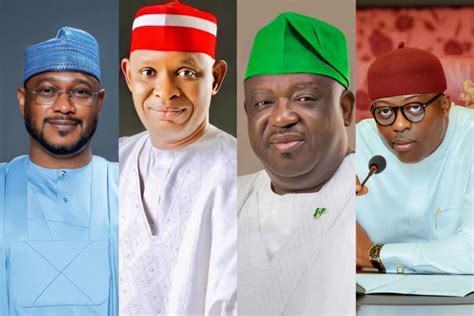
The National Assembly: A More Direct Constitutional Question. The situation involving senators and members of the House of Representatives presents a different legal challenge. Section 68(1)(g) of the 1999 Constitution, as amended, provides that a member of the National Assembly who changes political parties before the expiration of their term may lose their seat, subject to constitutional exceptions concerning divisions or mergers. This means that the justification for each defection matters.
Where a legislator changes parties without satisfying the constitutional conditions, the question is no longer simply one of political morality. It becomes a question of compliance with the Constitution. The public deserves transparent explanations. What division occurred in the original party? What evidence establishes that division? Was the defection constitutionally justified? And have the appropriate institutions examined the circumstances?
These questions should not disappear merely because a legislator has joined the ruling party.
INEC and the Responsibility of Democratic Institutions. The Independent National Electoral Commission is central to the credibility of Nigeria's electoral process. However, the enforcement of anti-defection provisions also involves the National Assembly's presiding officers and the courts. INEC cannot independently declare every political defection unlawful or remove elected officials without the appropriate legal authority. What Nigeria requires is consistent constitutional enforcement, transparent electoral administration, and institutions that do not apply different standards according to political affiliation.
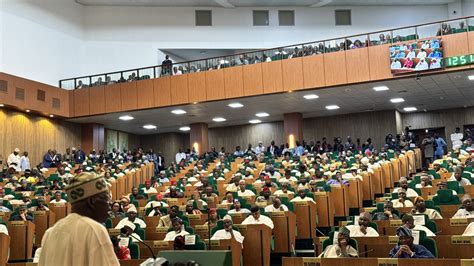
If constitutional requirements are enforced selectively, public confidence in the entire democratic system may suffer. The Psychological Consequences for Citizens reveal that there is also a human dimension to these developments. When citizens repeatedly see elected representatives abandon the platforms on which they secured public support, some may begin to question whether their votes have lasting meaning. That perception can produce political frustration, cynicism, withdrawal from civic participation, and declining confidence in democratic institutions.

Others may respond through stronger demands for accountability, organized civic action, or electoral participation. The danger is that prolonged distrust can weaken the relationship between government and the governed. Where people conclude that peaceful democratic participation cannot influence political decisions, public resentment may intensify. This is why political legitimacy requires more than winning elections. It requires continuing respect for citizens and the institutions established to protect their rights.
Winning Before the Election? The concentration of governors and legislators within the ruling party also raises questions about political competition ahead of 2027. A governing party may legitimately attract new members, and politicians may change affiliations because of policy differences, internal party disputes, or strategic calculations.
However, a large concentration of political power can create concerns about unequal access to political resources, weaken opposition structures, and reduce scrutiny of government decisions. None of these developments, by itself, proves that an election has been rigged. But the distinction between legitimate political advantage and the misuse of public institutions must remain clear. The fairness of the 2027 contest will depend not only on the voting process itself, but also on whether political parties can organize freely, electoral rules are applied impartially, public resources are protected from partisan misuse, and voters retain meaningful choices.
The question before Nigeria is therefore not simply which party gains the most governors or legislators before 2027. It is whether the institutions responsible for protecting democracy can preserve the integrity of the people's mandate, regardless of which party benefits from political defections.
A democracy must remain accountable to its citizens before, during, and after elections.

There is an important distinction we must preserve: a political defection can raise serious democratic concerns without automatically being illegal. Under Nigeria's Constitution, the rules governing governors differ from those governing National Assembly members. That distinction will make our argument more accurate and difficult to dismiss.
Now you know! Nigeria is at a crossroads, and the election ahead will test more than parties. We've seen power shifting before ballots are cast, growing distrust, and an opposition struggling to rise above ego. The future must not be handed to ambition or resignation; it must be earned through accountable leadership, credible institutions, and citizens who refuse to give up. The ship is still in the harbor, but not for long. The time to decide is now: Nigeria first, democracy always, people above power.
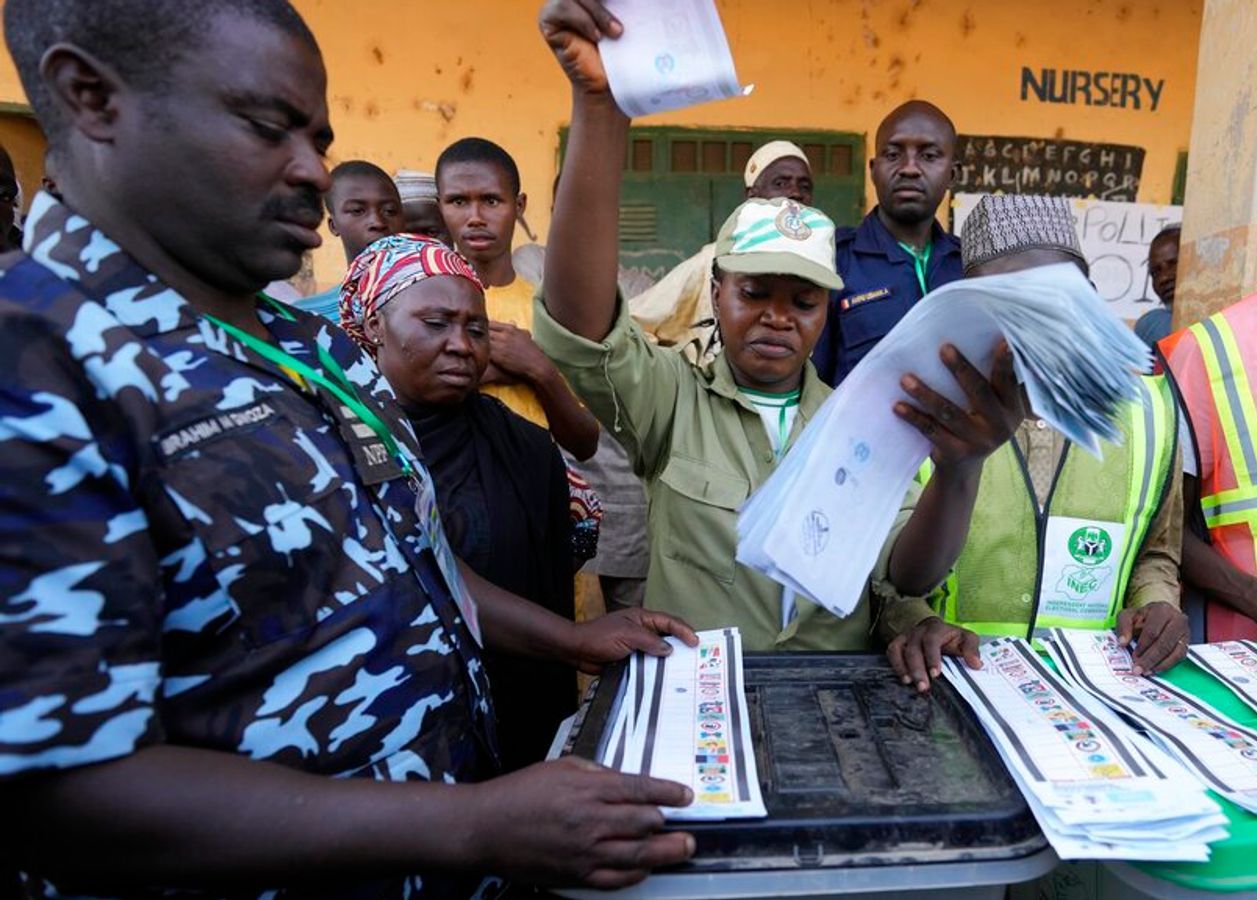
Furthermore, The opposition also stands at a crossroads, not just between parties, but between personal ambition and national purpose. Nigerians look to them as a bridge to something better, not as another battleground for egos. That means thinking Nigeria first, not who gets the spotlight. If they want unity, they need clear, fair rules for leadership and tickets. Let whoever the cap fits wear it through transparent processes, not sidelining rivals. But unity alone is not enough. They owe citizens plain answers on security, the cost of living, jobs, schools, healthcare, corruption, and constitutional breaches, not just promises. If they can't explain how they would govern before the vote, why should anyone trust them after? The ship is still in the harbor. They can still agree on the route, the crew, and the rules, but not once it's sinking at sea. That is the standard Nigerians are asking for: Nigeria first, ego second.
God bless Nigeria.
By Samuel Tunji Adeyanju
Enjoyed this? Get the weekly round-up
New posts from Giantability in your inbox once a week, plus each new magazine issue.