“There is another obstacle Nigerians need to confront if democracy is to produce the kind of leadership the country needs. The politics of tribe, ethnicity and religion. These identities are rich and meaningful and they should be a strength because they broaden our perspective. But too often our politics turns them into weapons. Asking where candidate comes from, which faith they practice, before asking what they have done or what they can do. When we do that, identity replaces accountability, and leaders get a free pass simply because they are seen as one of us”
For some time now, I have kept my voice away from Nigeria’s political conversation, my attention has been somewhere else, but as political activity gathers momentum towards 2027, silence became increasingly difficult. The question before us is bigger than parties or political personalities. It is what does democracy mean if people can no longer feel its dividend in their daily lives? Democracy is more than elections on calendar, and it must also mean a meaningful voice, accountability, and the conditions that allow people to live with dignity and hope.
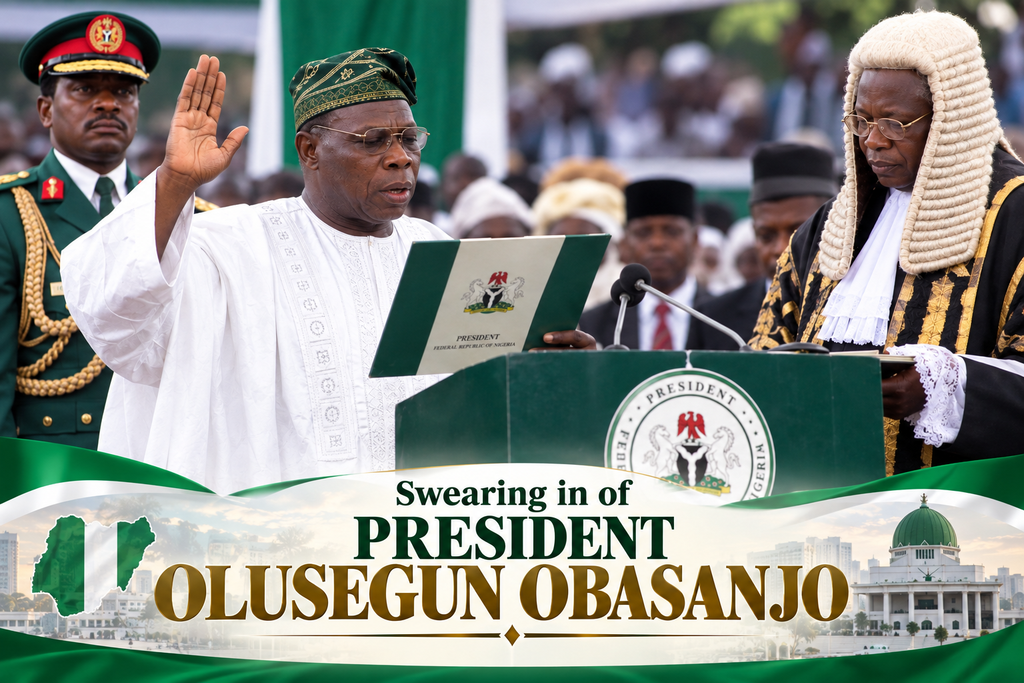
Democracy without dividend has consequences far beyond disappointment. When people can no longer feed their families or feel safe, desperation grows. That does not excuse criminality, but we can acknowledge that despair creates vulnerability such that armed gangs and criminal networks can exploit. And that expectations collapse and trust erodes, and people begin to question what is the point. Nigeria cannot afford to treat 2027 as another cycle of promises, it has to be that of accountability. Citizens ought and are entitled to ask, what was promised, what power was available, what was done, and what was left undone. This time, promises are not enough, evidence is. The same questions apply to all contenders and not only the government in power. Nigeria cannot afford another failed democratic moment. Not because history ends with this election, but because each squandered moment weakens institutions, deepens distrust and passes the scourge to yet another new generations, and that is why citizens deserve more than rhetoric. They deserve democracy and substance and not just the name.
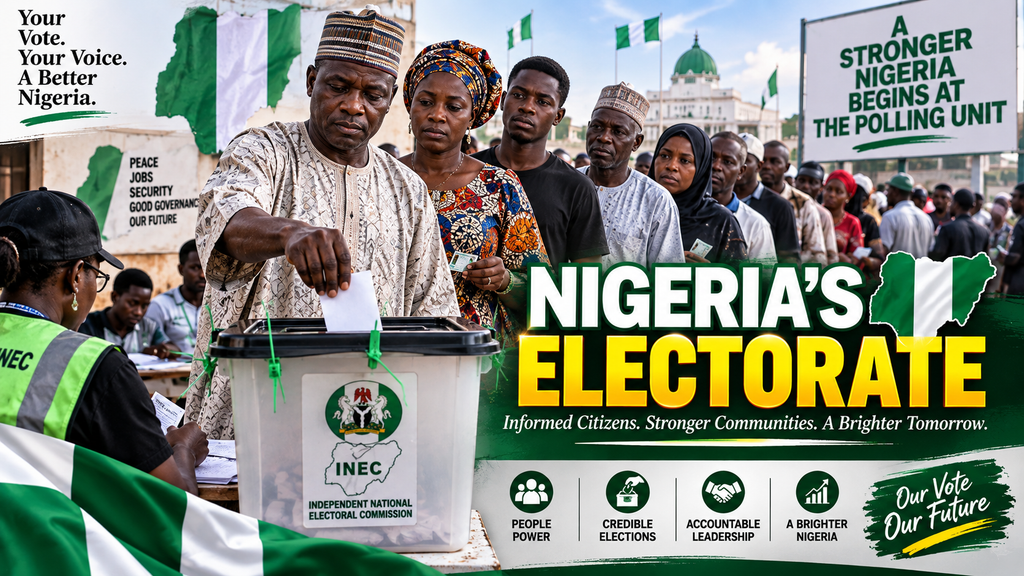
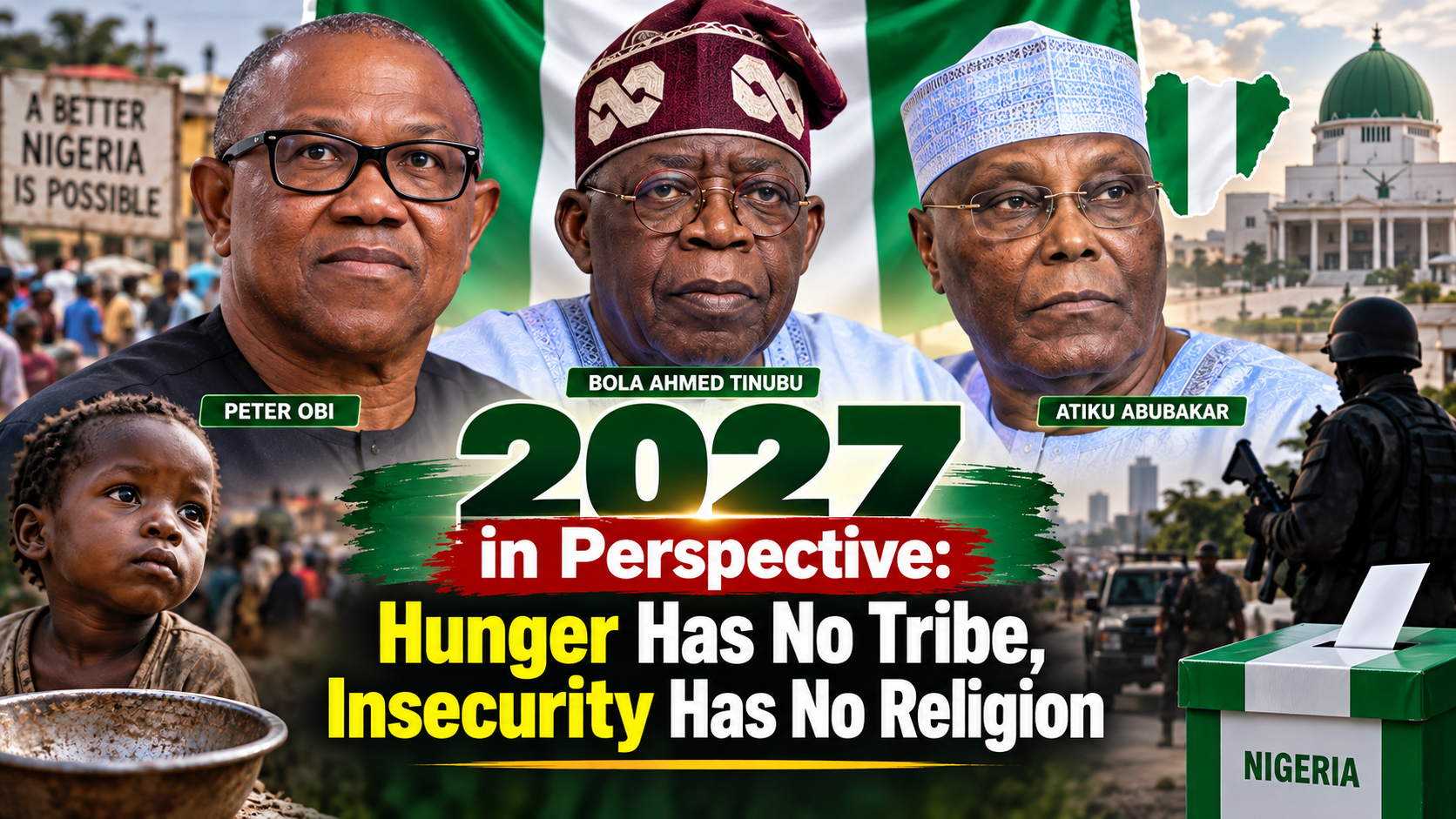
There is another obstacle Nigerians need to confront if democracy is to produce the kind of leadership the country needs. The politics of tribe, ethnicity and religion. These identities are rich and meaningful and they should be a strength because they broaden our perspective. But too often our politics turns them into weapons. Asking where candidate comes from, which faith they practice, before asking what they have done or what they can do. When we do that, identity replaces accountability, and leaders get a free pass simply because they are seen as one of us. But hunger has no tribe, insecurity has no religion, and bad roads don’t check your language before they break your nose. So the challenge is not to erase who we are, but to insist that citizenship is greater than those differences. What matters first is competence, character, and accountability. Diversity can strengthen our democracy, but only if we stop allowing using it to divide us.
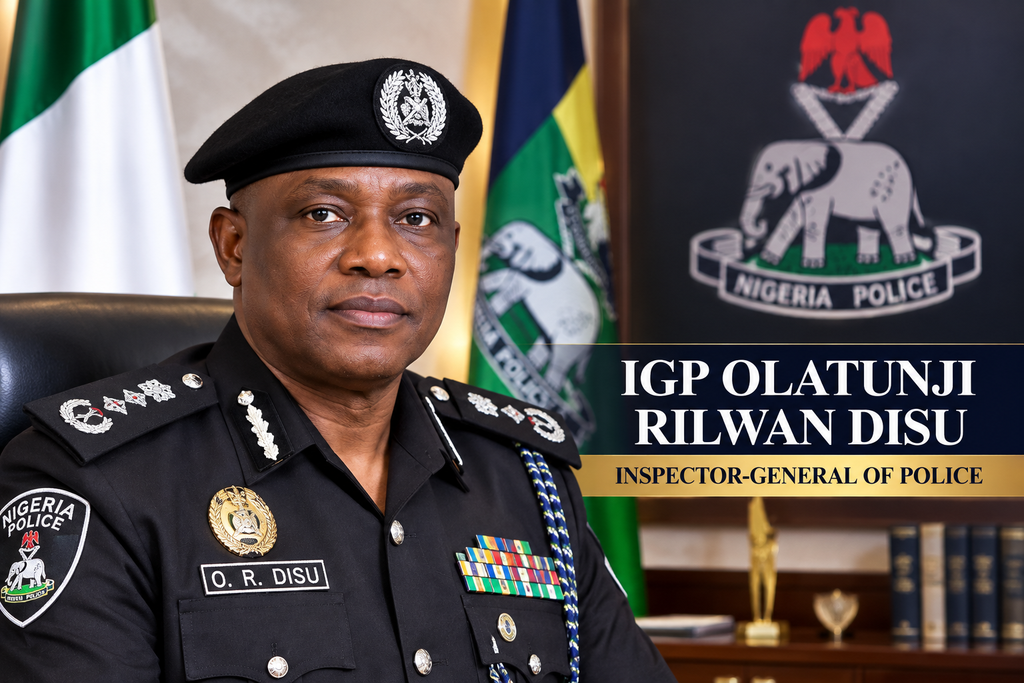
Furthermore, with Nigerians rising above ethnic and religious divisions, scrutinizing candidates and casting votes conscientiously, the fundamental question remains, will their choices count? That is why INEC sits at the heart of the conversation, not because citizens should be asked to simply believe, but because trust has to be earned. The INEC chairman inherited an institution whose credibility was questioned in 2023 with acknowledged technical problems and assessment that shortcomings and transparency hampered public trust. That history means that trust can not be demanded,It must be rebuilt through transparency, consistency, and visible fairness. The real test in 2027 is not whether the winner applauds INEC or not, it is whether citizens across divide can look at the process and reasonably conclude that the same rules applied to everyone. In a tensed and struggling society like Nigeria, INEC’s duty is not to produce a preferred winner, but to protect the voters choice. So that no Nigerian feels their vote was pointless. That is the responsibility INEC carries into 2027.
The Judiciary is often called the last hope of the common man, and it deserves to be in the center of any conversation on democracy. Courts would inevitably hear election disputes,as it is part of constitutional democracy, but ideally, courts resolve legal questions, but it does not become an arena where political outcomes are perceived to be decided.For that reason judicial independence is critical. Judges must owe no political debt. Justice has to be blind to tribe, religion and parties. Like INEC, the judiciary cannot command trust, it has to earn it. Trust is built when decisions transparently rest on law and evidence, when similar cases are treated alike, and when reasoning is clear to the public. The stakes go beyond politics. Confidence in court affects everyday citizen seeking justice and also shapes whether businesses feel contracts would be enforced fairly. Perhaps what Nigerians need going into 2027 is not a judiciary that promises outcomes, but one that convincingly demonstrates that it acts only through law. That makes courts the guardians of the process and not substitutes for the voters choices. If both INEC and the Judiciary can credibly play their roles and the choice returns to where it belongs, the Nigerian people.
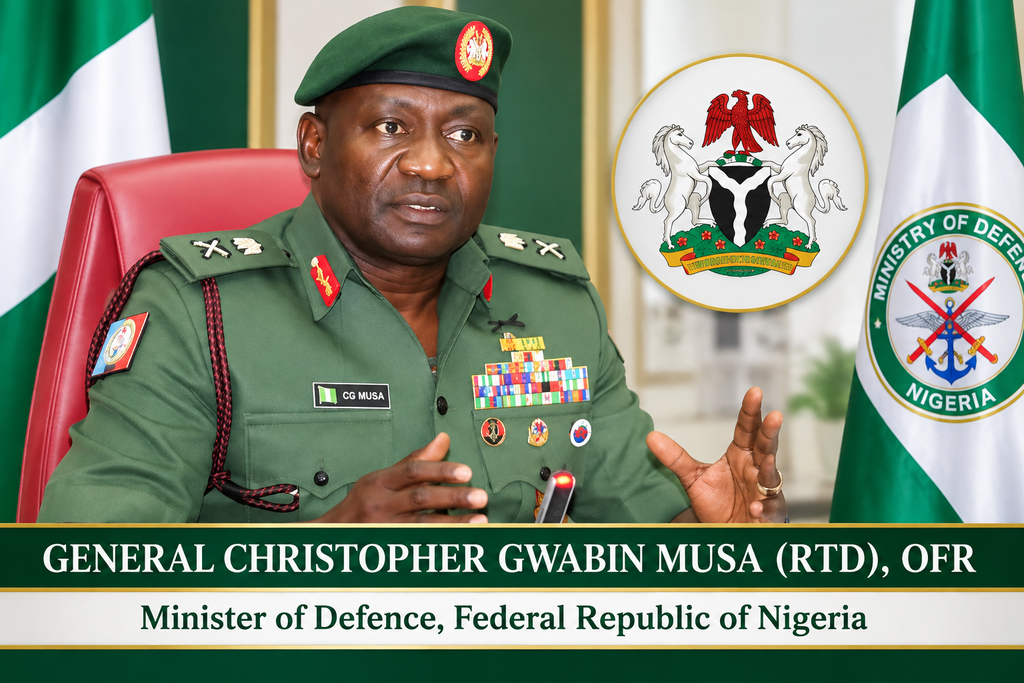
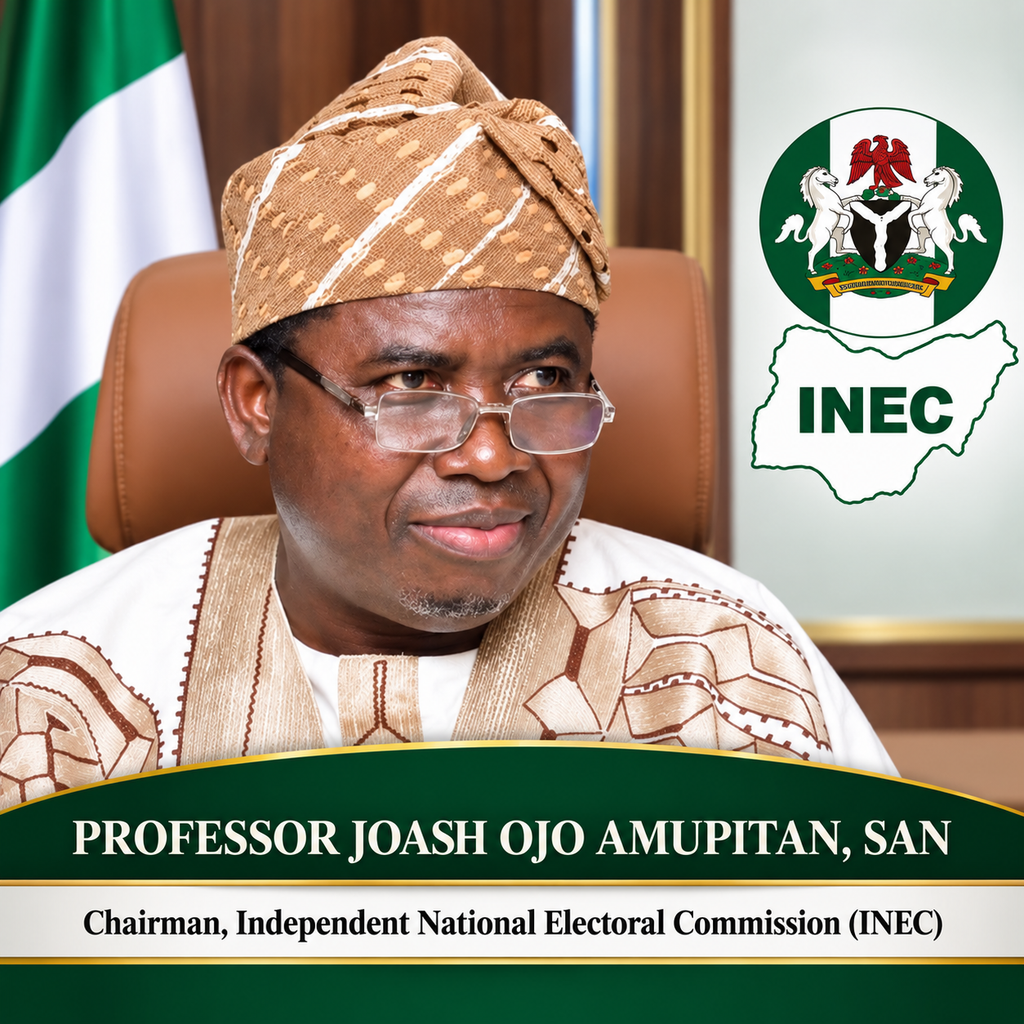
In conclusion, there is also the crucial role of the security agencies, police, military, and others. During election, their loyalty is not to any party or candidate, but the constitution and the safety of the citizens. Their presence should give confidence and not fear. They must protect voters and officials without any hint of partisanship. The uniform of the state should not become the colour of the campaigns. To General Christopher Musa who is now the minister of Defence and the Inspector General of Police, Olatunji Disu, history has placed a burden on your shoulders, the men and women under your command, must protect Nigerians and not the electoral interests of any politicians whether incumbent or challenger. The uniform of the Nigerian state should not be the colour of any campaigns. Let the police be police and the military defend. Let the Nigerian people decide. Governments would come and go, but the integrity of your institutions would be part of the history Nigerians write about 2027. He who fails to change his mind at the port may sink in the sea.
God bless Nigeria.
By Samuel Tunji Adeyanju .