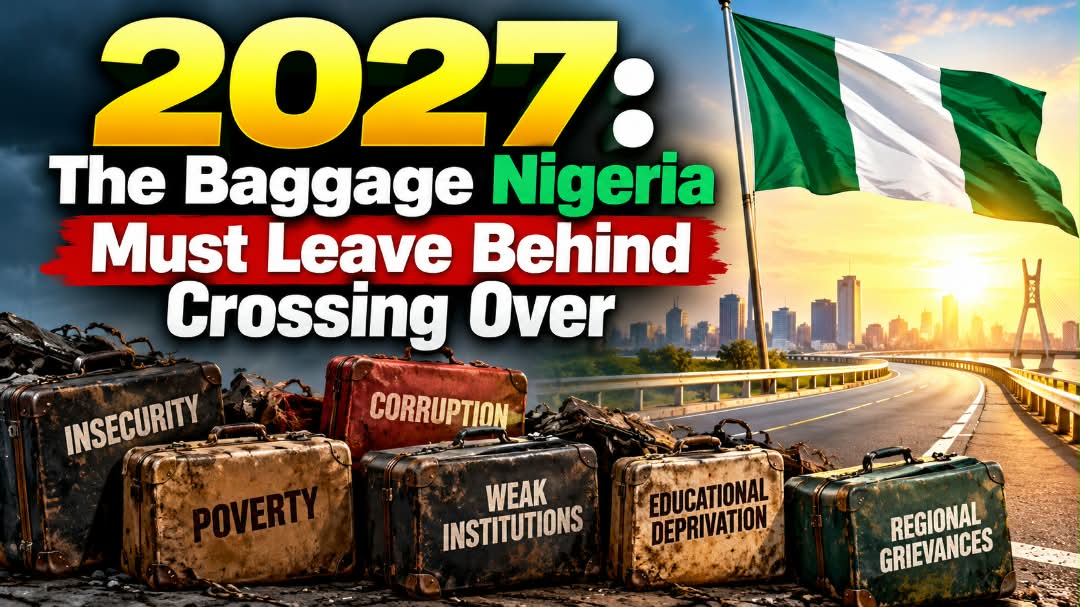
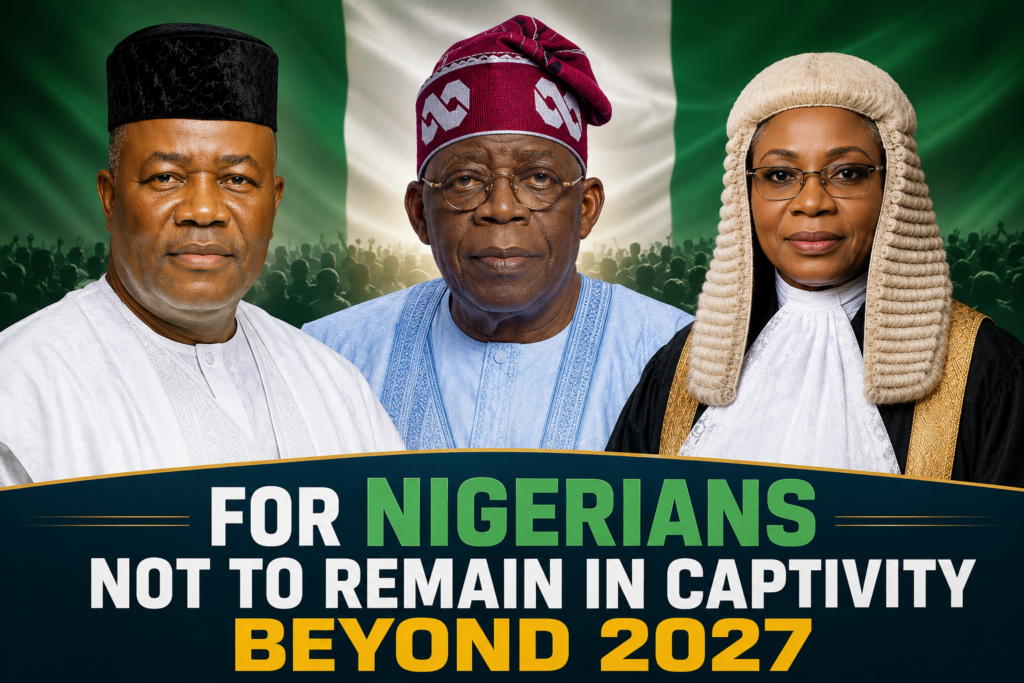
“All these problems Tinubu inherited from himself, so by reason of the role he played in the administration of his predecessor, Muhammadu Buhari, he cannot absolve himself of all the problems and blames of the Buhari era. With the pains that Nigerians have gone through in the hands of the APC since 2015 in hunger, insecurity and high cost of living, unemployment and hopelessness, allowing these rats to remain in the barn of Nigeria would spell doom, and may result in the avoidable burning down of the barn”.
One major thing that bothers me about Nigeria as a country, is how suddenly the people’s moral standards; ethical behavioural expectations dropped drastically, giving a room to actions that are capable of stagnating the nation in all areas of developments. For instance, no one could have imagined how seamless it was for the governors who dumped the parties that gave them the platforms to use to be elected into offices and joined the ruling party, APC. The actions of the governors can feel like a breach of trust. Morally, the people who voted for them on one platform felt let down as it can seem like personal gains have been prioritized over the public mandate. Socially, their actions can deepen cynicism, making people feel like their votes don’t matter. Politically, it can weaken opposition, reducing checks and balances. Over all, it undermines trust in the system, making people beginning to wonder about who truly represents them. I think the best response is to stay active and vocal. Citizens can hold those leaders accountable, through peaceful protest, speaking out in the media, and even start recall campaigns if possible. Most importantly, they can use the next elections to vote for candidates who truly stick to their promises.
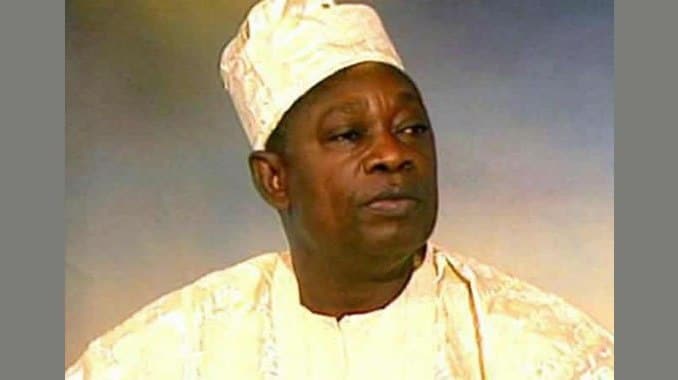
In short, speak up, organize, and remember when it is time to vote again. This kind of political behaviour is a testament of how the recklessness of Tinubu is undermining democracy. That is just in one area of life. Nothing has been said about insecurity, economic crisis and the elephant in the room which is corruption. All these problems Tinubu inherited from himself, so by reason of the role he played in the administration of his predecessor, Muhammadu Buhari, he cannot absolve himself of all the problems and blames of the Buhari era. With the pains that Nigerians have gone through in the hands of the APC since 2015 in hunger, insecurity and high cost of living, unemployment and hopelessness, allowing these rats to remain in the barn of Nigeria would spell doom, and may result in the avoidable burning down of the barn.
Time is fleeting, yet constant. When we plan, we give time purpose. When we procrastinate, we let it slip away. The difference between dream realized and the dream deferred, is how we use each moment. Time does not wait, but if we respect it and act with intention it rewards us.
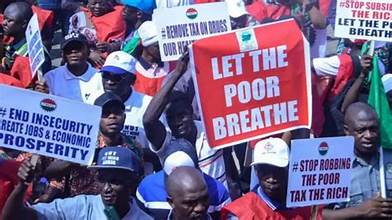
To rescue Nigeria from the hand of the oppressors who call themselves leaders, I think the key is starting now; building consistent dialogue at the grassroot level, creating safe places for people to exchange ideas, and demanding accountability from now. Encourage community – led initiatives, promote voter education, and ensure everyone feels their voice counts. Also, shining a light on positive examples of change no matter how small, can inspire belief. If people see their actions making waves now, they would feel ownership of 2027. It is about starting early, consistently, and with hope.
In Nigeria for instance, where education gap is real, the unifying theme for mobilization could be dignity. Dignity through economic fairness, education and security. Practical mobilization would mean grassroot voter education, not just abstract civic duties, but showing how voting impacts everyday survival. Community based food or skills initiatives can accompany these conversations. Practical no how tied to empowerment. Building broad coalition, religious, traditional, and youth leaders can amplify the message. On insisting on accountability, demanding transparency on how resources are used, can make the government feel that the people are serious and united in their expectations. However, if everyone whether from the north, south, young or old, can agree on one thing; “we want leaders who are honest about how they spend money and who actually help people. When everyone pushes for one thing, the government feels the pressure to act right”.
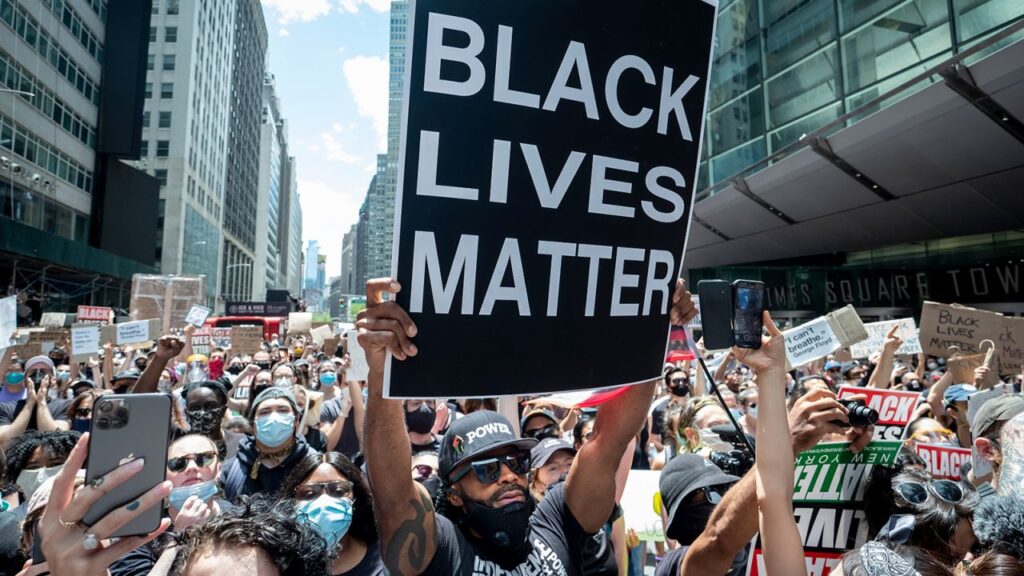
The social media can also be used to harness the disaffection of the Nigerian youths, but on the ground of making maximum use of the social media. For instance, social media works best when it tells real stories, showing how every day’s people’s lives can improve. It’s not about arguing, but about sharing success stories, like when a community stands together, or when someone helps others. People can use it to educate others on voting, to factcheck politicians, and still unite around shared goals like dignity or fairness. The key is keeping the content positive and practical, so that people don’t just get frustrated, but actually feel inspired to act. The theme of dignity and prosperity for all, speaks to the desire for fairness, basic needs met, and a future where everyone no matter their region, has a chance on a decent life. It is a positive call that can unite people across divides, and focusing on what everyone hopes for, a dignified prosperous future. Nigerians can turn their frustrations into constructive actions. This is achievable through peaceful protests, community organizing and advocacy can amplify their voices. They should demand transparency pushing for independent election monitoring, and accountability. Engaging with civil society, legal bodies, and the media helps spotlight concerns. It is very important to start early, educating and mobilizing voters well ahead of time. It is about turning anger into collective action, ensuring their voices can’t be ignored. The goal is about engendering collective action, transforming anger into visible organized pressure for a fairer election. Some powerful examples of how collective action yielded positive transformative change include; the pro-democracy protest in Tunisia that kicked off the Arab springs, and the youth led activism in Chile which led to the creation of a new constitution. Even in the United States, the Black Lives Matter has had a significant impact on policy, awareness and political engagements. Each of this shows how mobilization can push for real meaningful change. Going forward and for want of time, it is incumbent upon Nigerians to first, build civic engagement, support free media, join community groups, and hold leaders accountable. Second, mobilize peacefully, educate voters, register people and monitor elections. Third, foster dialogue between groups to reduce tension and finally, pressure institutions, like the Judiciary to stay independent. In short, stay involved, informed, and work together peacefully for a better future.
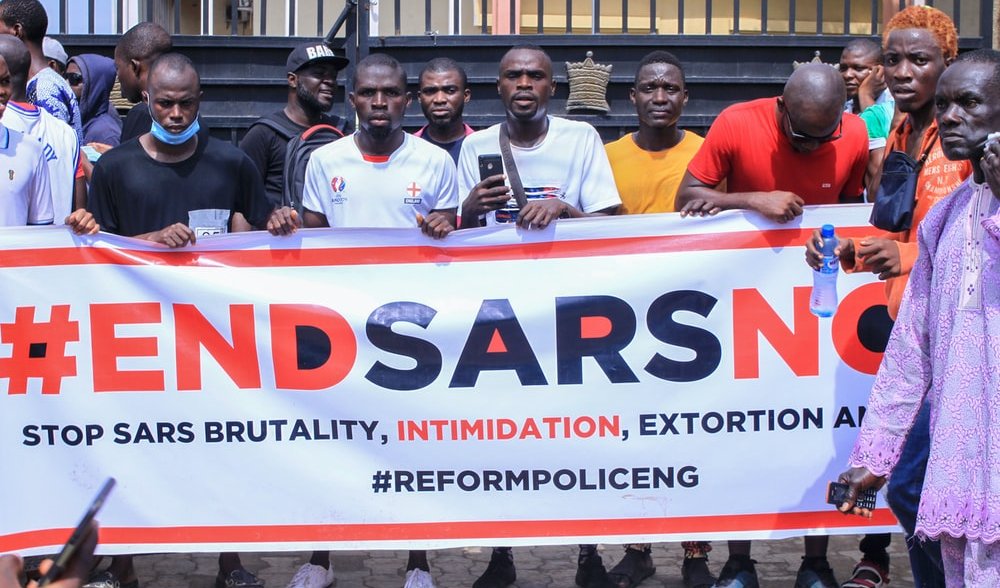
On a final note, what is as certain as death is that, Nigerians cannot survive another 4 years of terrorism, banditry, economic hardship and uncertainty in the hands of the APC and the Tinubu led administration, especially, because Nigeria as a country is already in the critical intensive unit gasping for breath. It is time to turn resilience to resistance.
God bless Nigeria.
By Samuel Tunji Adeyanju