
By reviving Tolu Schools, he symbolically bridged decades of delay, showing that government can respect history while pushing for modern future.
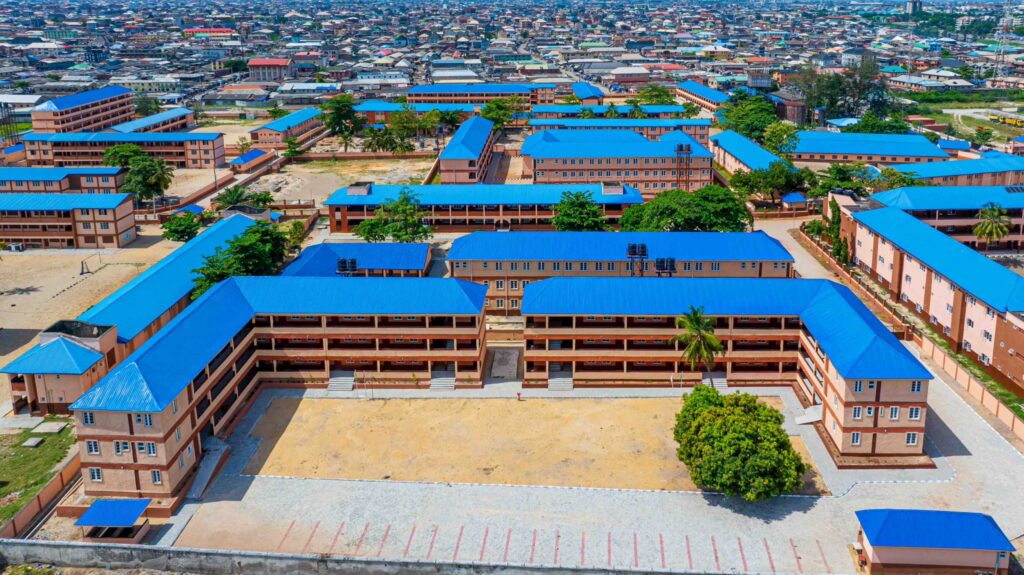
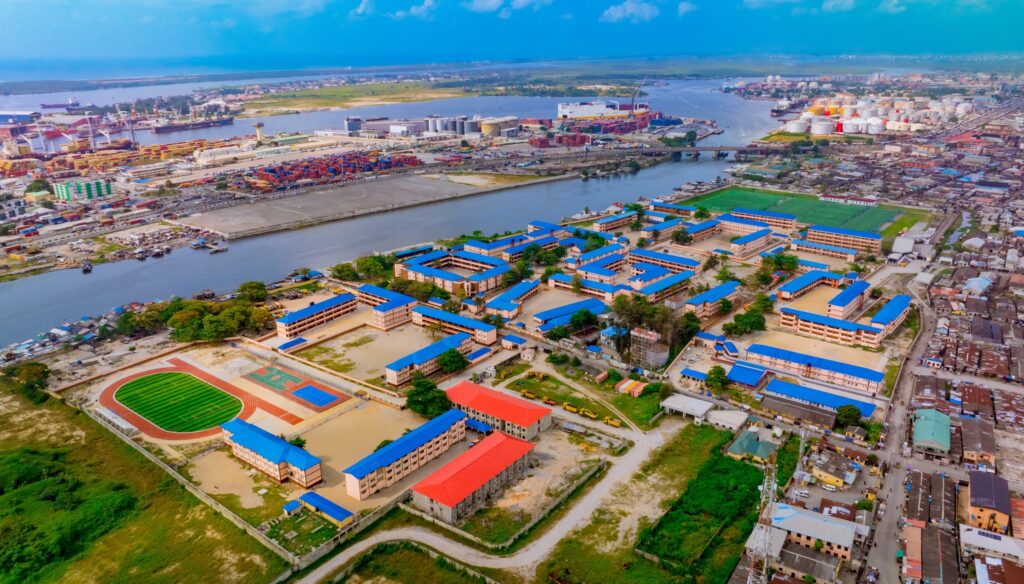
Thursday, April 9th, 2026, marked a historic milestone as Tolu Schools Complex was officially commissioned in Lagos, Nigeria. Originally, founded in 1981 by the visionary Lateef Kayode Jakande, the first executive governor of Lagos state. That expanse of complex now spans around 11 hectares in the Ajegunle district. Hosting 36 schools within, Tolu schools complex serves over 20,000 students, embodying a legacy of excellence in education. The complex features modern classrooms, parks, sporting facilities like football pitch and courts, as well as specialized ICT hub, science labs, and vocational workshops. There is also a well-equipped fire service station. It was designed to be a large centralized educational hub in a densely populated area.
The Ajegunle kingdom, often known as the historic community is located in Lagos Nigeria, and it has deep root in the region’s ethnic and cultural history, often associated with the Awori people and other sub-Yoruba groups. Overtime, Ajegunle had evolved from a small fishing town into a densely populated urban area, known for its vibrant culture, music scenes especially in the realm of Afro beats and its resilience. Despite being known for its overcrowding, it is a place rich in innovation, entrepreneurship and community spirit. Ajegunle is such a microcosm of Nigeria. Despite its vibrancy, it faces significant challenges, including over crowding and the lack of basic infrastructure like consistent water, sanitation and stable electricity. Youth unemployment is also a major concern and crime rate can be a challenge due to economic pressures. However, the community is also known for strong solidarity in spirit with many grassroot organizations and local leaders working to drive change.
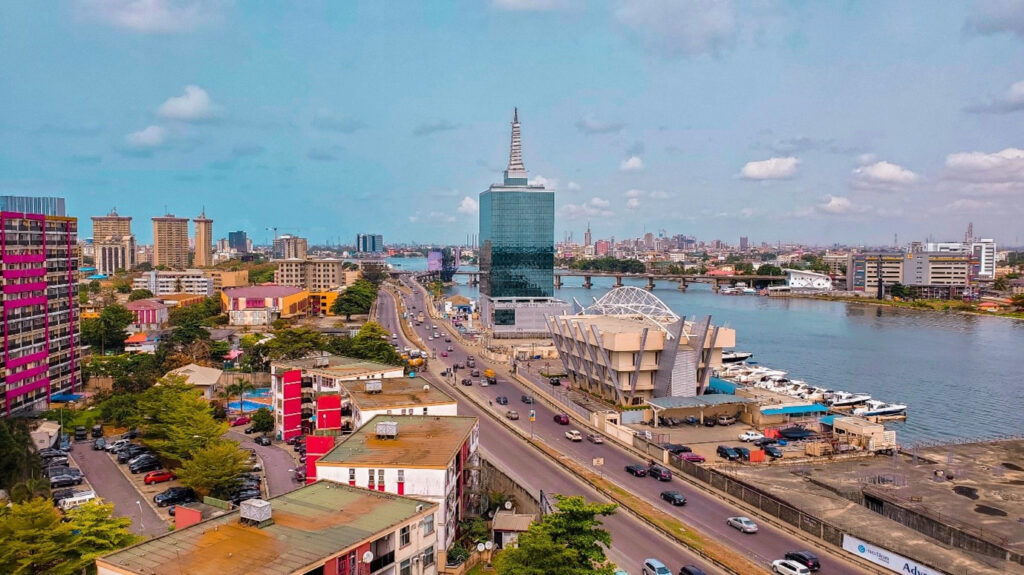
Now that a clear picture has been painted about the host community to the Tolu Schools complex, it becomes necessary therefore, to dive into the symbolism of the gigantic project, and possibly also, interrogate those factors responsible for the abandonment of the Tolu school project for decades after its commencement in 1981 by the Lagos state government, under the watch of the visionary Lateef Kayode Jakande as part of his mass education initiative. Recall that the land that houses the Tolu schools complex, was actually reclaimed from the Lagos lagoon area. So, was once a marshy to undeveloped part of the city, and the government filled and levelled it to create space for the school and other development projects in the area. The Tolu schools complex are really symbolic, for they represent a beacon of hope, education, and opportunity in a place that faced systemic neglect. Tolu schools gave many children from Ajegunle who otherwise might not have had access, a social mobility. In that sense, they became a cornerstone of educational empowerment and a symbol of hope for generations in the community. Worthy of note is that, the delay in completing the Tolu schools project was due to several factors.
The project sitting on about 11.7 hectares with 36 schools was ambitious in scope. After starting under Lateef Kayode Jakande, in 1981, progress stalled for decades due to funding gaps, shifting priorities, and the complex nature of the environment. Recall also, that after Jakande left, between the return to democracy in 1999 and now, in 2026,3 governors had governed Lagos before Mr. Babajide Olusola Sanwo-Olu came on board, and during whose time the project was completed and commissioned in 2026. They were Mr. Bola Ahmed Tinubu, 1999 to 2007, Barrister Raji Fashola, and Akinwunmi Ambode. These passed through Lagos, prioritizing the minor and neglecting the major in the order of priority. The absence of Mr. President Bola Tinubu physically at the unveiling of a project of such unparalleled magnitude and unprecedented in value and nature, was premeditated, and an eye saw. It was also, a political calculation and not surprising, for how could he have been able to withstand the daring and the no nonsense Lagos crowd, especially those who refused him their votes in the 2023 presidential elections, and who had on other occasions, sang for him the popular song of, “We Are Hungry”. He knew very well that had he shown up at the event, he would have had himself prophesied to about his looming waterloo in 2027, as well as have a song composed for him, praising and placing Governor Sanwo-Olu’s achievements over his, like the case of David and Saul in the Bible.
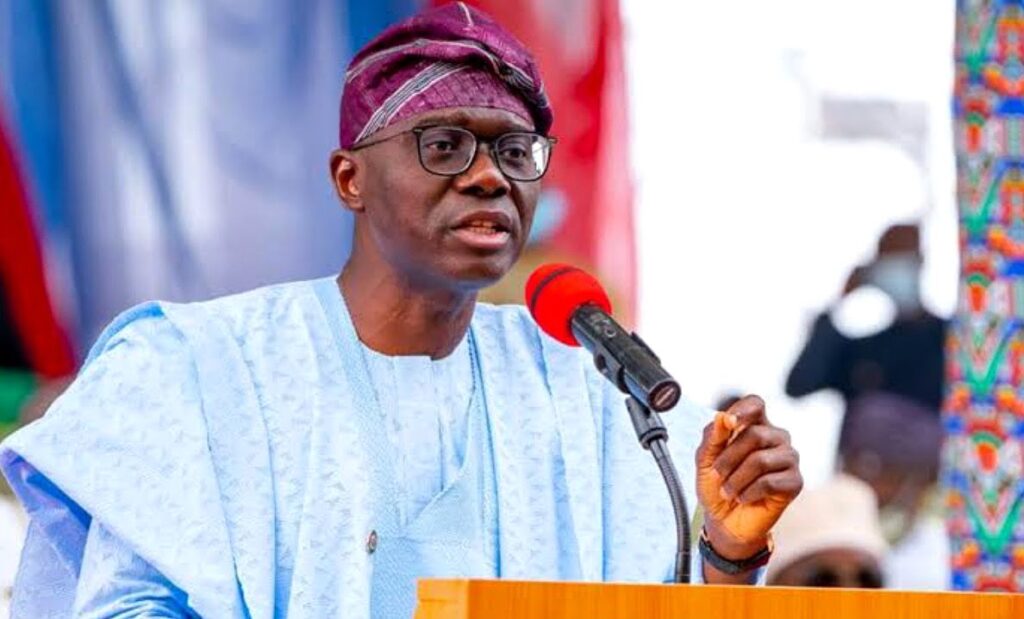
Furthermore, with the completion and commissioning of the Tolu Schools Complex by Mr. governor, Babajide Olushola Sanwo-Olu within his second term, what stands out about him is his deliberate focus on continuity and legacy. He did not build infrastructure for self-aggrandizement and ego, rather, he tied it to a broader vision of urban renewal and inclusion. By reviving Tolu Schools, he symbolically bridged decades of delay, showing that government can respect history while pushing for modern future. Looking for and needing a clarification on the distinction between knowledge and wisdom, contribution and commitment, and belief and faith? Travel no further, here is the wisdom that works, and which makes faith without works dead. Think also of the eggs and the bacon. The chicken makes the contribution, while the pig makes the commitment. Similarly, just as one can be rich and not blessed, one can also believe and not have faith. Faith is not believing, but acting what you believe. It follows therefore, that, as it is possible to believe and not have faith, in the same vein, no one can have faith, and not believe. Moreover, Governor Sanwo-Olu’s rear combination of acknowledging past issues while being bold enough to reprioritize long term investments, that sets him apart. So, in that way, he is not just a successor of the previous leadership, he is actively redefining what it means to govern in Lagos State.

The benefits of education cannot be overemphasized and are pivotal to any meaningful developments. Education is the backbone of nation building. It shapes citizens, empowers them with skills, drives innovation, and create a more equitable society. It is a fundamental investment for any nation for on time success. However, prioritizing education, making a selection from a scale of 1 to 10, and with 10 being the most desirable. Normally, education should be on a 10, in a technological driven nation, because innovation, competitiveness, and even sustainability, all depend on the resolve for rethinking education. For instance, education, be it at the primary, secondary or tertiary level, builds the foundation for knowledgeable and skilled workforce, including economic growth in innovations and long-term national progress. The benefits of the Tolu School Complex also, especially to the community include, the school provides assessable quality education, keeping the kids engaged, and giving them a real sense of purpose. For Lagos state, it means, a stronger talents pipeline, more skilled citizens ready to contribute. To the nation, it is a building block for long term innovation, economic growth and overall national resilience. Socially, a clustered school setup like the Tolu schools complex, provides a really vibrant social environment where students from different background interact, build networks, and thereby fostering a sense of community. However, in terms of security, having a clustered can concentrate resources, better monitoring, safer facility, and it is a more structured environment for everyone. Specifically, in the Tolu schools complex and being a clustered setup, security benefits come from shared infrastructure, such as centralized security personnel, monitoring entry and exit points, using even tech like CCTV and biometric assess. Because many schools are clustered together, it is easier to coordinate a social response. Interestingly, the Tolu Schools Complex model of a cluster model can be a game changer especially in the parts of the country that are more vulnerable and with a high rate of school abductions. The model provides a safer environment with less vulnerability, and giving students and parents more confidence in their safety.
On a final note, and if education is the best legacy as many believed, therefore, the actions and inactions of Governor Sanwo-Olu’s predecessors especially in matters of educational developments, only speak to one thing, which is the lack of compassion and empathy, especially for the down-trodden in our society, and the more reason why the country Nigeria in the hand of one of them as President Tinubu, is at the brink of collapse. No one can give what he does not have, and what one does off the job, is a determiner of what he does on the job.
The preservation and sustainability of the Tolu Schools is critical, occupying an important place just as its foundation. To preserve this legacy and maximize the benefits, the government needs to ensure consistent funding, making sure the school is part of budget allocation, providing infrastructure support and policy backing. The community on the other hand, needs to stay engaged, regularly supporting the school, volunteering, and also holding leadership accountable. It can really be enduring if they work together. Maintaining high quality teachers is crucial and to this end, the government and school leadership need to invest in regular training, professional development, and incentives to keep teachers motivated, and the community can also play a role. By recognizing and valuing the teachers, you create a culture that really supports the sustenance of quality education and for a long time. According to Epictetus, “be careful to leave your sons well informed than rich, for the hopes of the informed are better than the wealth of the ignorant”.
God bless Nigeria.
By Samuel Tunji Adeyanju