Recently, Trump has increasingly been framing military actions in religious terms like calling the rescue in Iran an Easter miracle, and the bombing of an area in Sokoto, Nigeria, on Christmas day as a Christmas gift, forgetting that in Nigeria, both Muslims and Christians have co-existed together for centuries in peace and harmony, and it is too late now for anyone to come in, in the guise of offering military assistance to further divide the people along religious lines, and invoking spiritual battles.
The pope is one of the most respected religious figures. He is the leader of the Catholic church and has a huge global community. He also often commands moral authority especially on issues of justice, poverty, and Human Rights. However, while he does not have a political office, he does have a powerful moral voice, and historically, Pope has spoken out against political leaders, including in ways that might directly challenge them. Certainly, he does have that moral sway.
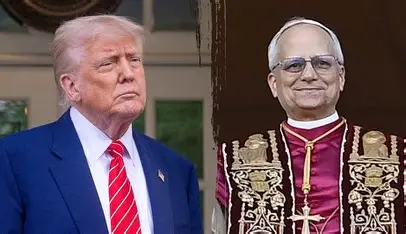
The relationship between Donald Trump and Pope Leo the 14th, started to deteriorate even before Leo’s election in May 2025.When Leo, then Cardinal Robert Prevost had already criticized Trump’s immigration and domestic policies. The relationship turned openly sour in early 2026, especially in March and April, when Pope Leo called for peace in Iran conflict, and Trump responded with personal attack, labeling Leo as weak on crime and poor in foreign policy. It may interest you to note that, the election of Leo the 14Tth was historically significant, as he is the first American born Pope, marking a big shift for the Catholic Church globally. His election built on the reformist spirit of Pope Francis, addressing issues around inclusion in global mission.
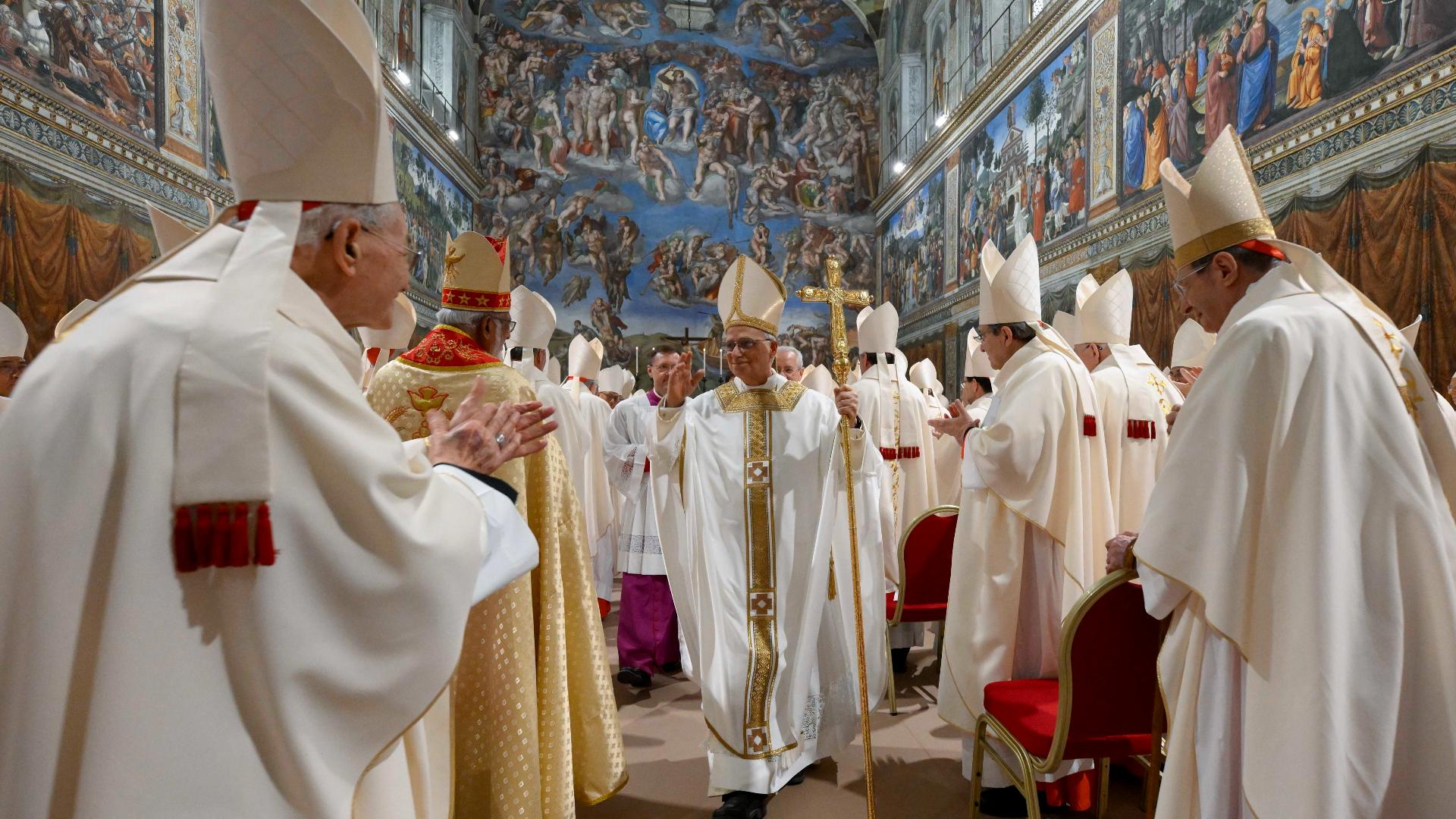
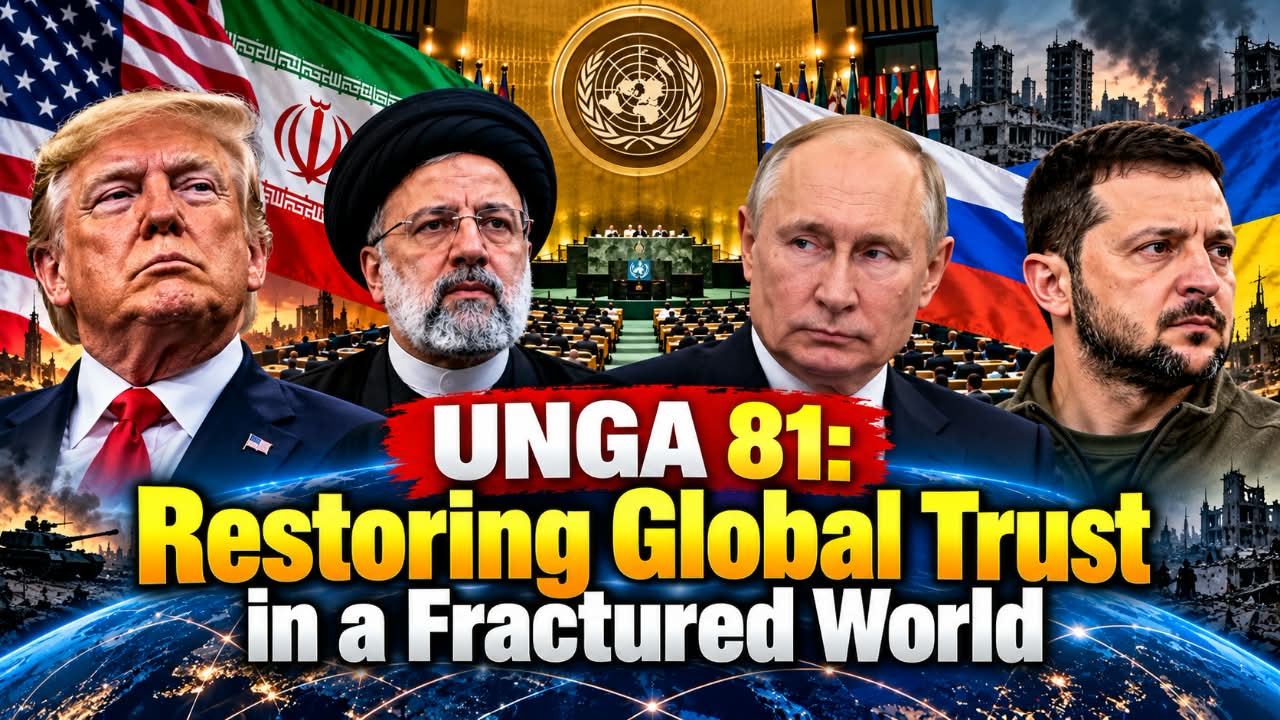
The Pope in his recent Palm Sunday address, declared that God does not bless war and rejected using conflict in his name. This was perceived as a direct critique of Trump’s military rhetoric especially around Iran. In response, Trump criticized the Pope on social media, calling him, weak on crime and foreign policy, accusing him of meddling in US politics. This clash highlights the rising tension between the Vatican’s moral authority and US governments policies. This rare public rift can reshape the US catholic politics, and moral scrutiny of US military actions. It is rare to see a global religious leader like the Pope directly clash with the US politician. This kind of public rift can really shape how catholic community engages with US politics, and how military actions get morally scrutinized. Is it a good idea to have a strong moral voice like that of the Pope to speak truth to power? That is a tricky one, because on one hand, it is important for moral voices to speak up, especially about war, but on the other hand, it might make some people feel like is an over reaching to political or national affairs. However, in recent actions, President Trump had started using religious language to justify military actions, saying things as God is on our side, and framing events as spiritual battles. The shift came as he moved away from purely strategic justifications and the Evangelical leaders amplified these framings. The problem is that when war is cast as a divine mission, it blurs the line between faith and politics, raising serious ethical concerns. The approach of Trump is very controversial because it risks mixing faith with political and military policy, and the implications can be very significant, especially when it comes to how people perceive the moral foundation of those words. Recently, Trump has increasingly been framing military actions in religious terms like calling the rescue in Iran an Easter miracle, and the bombing of an area in Sokoto, Nigeria, on Christmas day as a Christmas gift, forgetting that in Nigeria, both Muslims and Christians have co-existed together for centuries in peace and harmony, and it is too late now for anyone to come in, in the guise of offering military assistance to further divide the people along religious lines, and invoking spiritual battles. This has led to a change in military culture, especially, that of neutrality of religion, with the pentagon even hosting Christian services. The concern is the risk of undermining the separation of Church and States may affect internal cohesion and the global perception of the US policies. Trump’s increasing use of religious language is reshaping US politics, military culture and global perception. Politically, it energizes its Evangelical base at home, but risks alienating some other religious leaders, especially after his controversial AI Christlike image post. In the military, his framing is changing troop culture and also sparks complaint over undermining US military culture of religious neutrality. Globally, this approach is eroding the global perception of the US as a secular democracy.
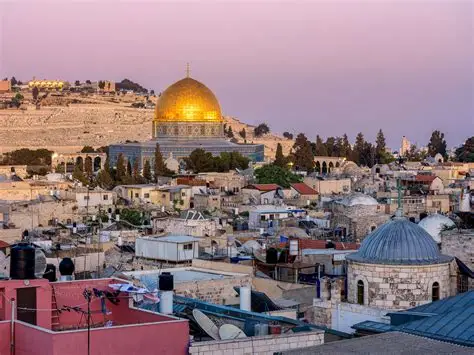
President Donald Trump you may wish to know, was born a Presbyterian, but who in 2020 identifies as a non-denominational Christian. Meanwhile, the American Evangelicals are a broad group of protestants who emphasize being born again, biblical authority, and active faith. They make up about 23 to 24percent of the US adults, and have been a powerful political block, especially since it aligned with the Republican party since the 1980s. They continued to influence social issues, foreign policy, and voter turnouts. Generally, the Evangelicals tend to be more skeptical of the Pope, because they place a lot of emphasis on direct personal faith, and often have concerns about catholic hierarchy or traditions. That said, individual’s attitudes vary, some Evangelicals do respect the Pope, especially if he speaks on moral or social issues that they care about.
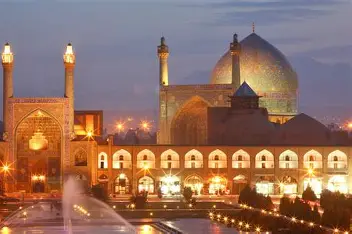
A lot of evangelicals have been instrumental is shaping Trump’s foreign policy decisions, especially around Israel. Many evangelicals strongly support the close US Israel relationship, and Trump aligns with that. For example, by moving Israel’s capital to Jerusalem. So, in that way, their support gave him a pretty strong base on certain international stances. The Evangelicals have played a significant role in shaping Trump’s approach to Iran. Some evangelical leaders see the US Iran conflict as part of biblical prophecy, framing it a spiritual battle of good versus evil. As religious framings exemplify Trump’s US policies, particularly in taking a strong aggressive stance toward Iran, often linked to an evangelical bases support for Israel. For many American evangelicals, US Israel alliance is tied to theology, with religious language often shaping policy. However, in the Middle East, this creates a perception of US bias, undermining diplomatic credibility. While all support for Israel is from among senior groups, younger Americans and Arab nations increasingly view this religiously framed ties with skepticism. In otherwords, younger American Jews as well as more secular or progressive groups don’t necessarily see US support for Israel as a religious or biblical duty. Instead, they are more likely to focus on human rights, diplomacy and fairness. It is interesting to note that, they are more cautious about religious rhetoric influencing US policy toward Israel. They are also more cautious about mixing religion with foreign policy. The Bible, around which all this controversy revolves, you may wish to know, only makes wise, according to the second book of Timothy chapter 3 and verse 15, and not fools. However, how do you differentiate between a terrorist who carries out his act on ideology, to the extent that killing in the name of religion, entitles one to benefits in heaven, and a born-again evangelical Christian who also finds justifications for instigating war and destroying peoples’ precious lives in theology? I think, that the sin of the latter is more. Remember that the Bible states categorically, that if you were blind, you would have sin. But because you say you see, your sin remains (John 9:40-41). Please, understand this, and understand it very well. There are no justifications whatsoever for war anywhere in the Bible. Except that which God Himself initiates, and in such wars where God fights the battle Himself, no single soul gets lost, let alone aircraft. Moreover, when you recall how the hosts of Israel passed through the Red Sea as if on a dry land, and with no single causality of any sort. With God on your side in the battles of life, you cannot win and lose at the same time. The same Egypt from where the children of Israel were rescued, was the same place where the boy Jesus and his parents fled to and used as a hideout from King Herod. Who told you that the worst terrorist today cannot be born-again, and make heaven? Who told you also that if Iran cannot acquire nuclear weapons in the next 20 years, it won’t be able forever? No man is all wise, omnipotent, and omniscience, and To the American evangelicals, the prophesies of the end times are not only limited to war-faring, the gospel of the kingdom must be preached and heard all over the world, I mean, even to the uttermost parts of the Earth.
To Mr. President, some of the benefits of a change of approach, especially, from framing military moves in war in religious language include; it preserves the separation of the Church and state which keeps governance more impartial, it can also help brooding your appeal beyond your base, stabilize military culture and keep the US view as a secular and inclusive democracy globally. As we might have known, the Arab world tends to be suspicious when the US ties religious rhetoric’s to policy and often see it as a tool for geo political goals especially in the Middle East. At the same time, some in the region have mixed feelings about US secularism, sometimes seeing it as godless, and sometimes as bias against certain faith.
Overall, if the US stays truly neutral, it can build credibility by being even handed and focusing on universal principles.
God blesses the peace makers, and does not bless wars, as Pope Leo the 14th rightly puts it for the records.
God bless America, Amen.
By Samuel Tunji Adeyanju