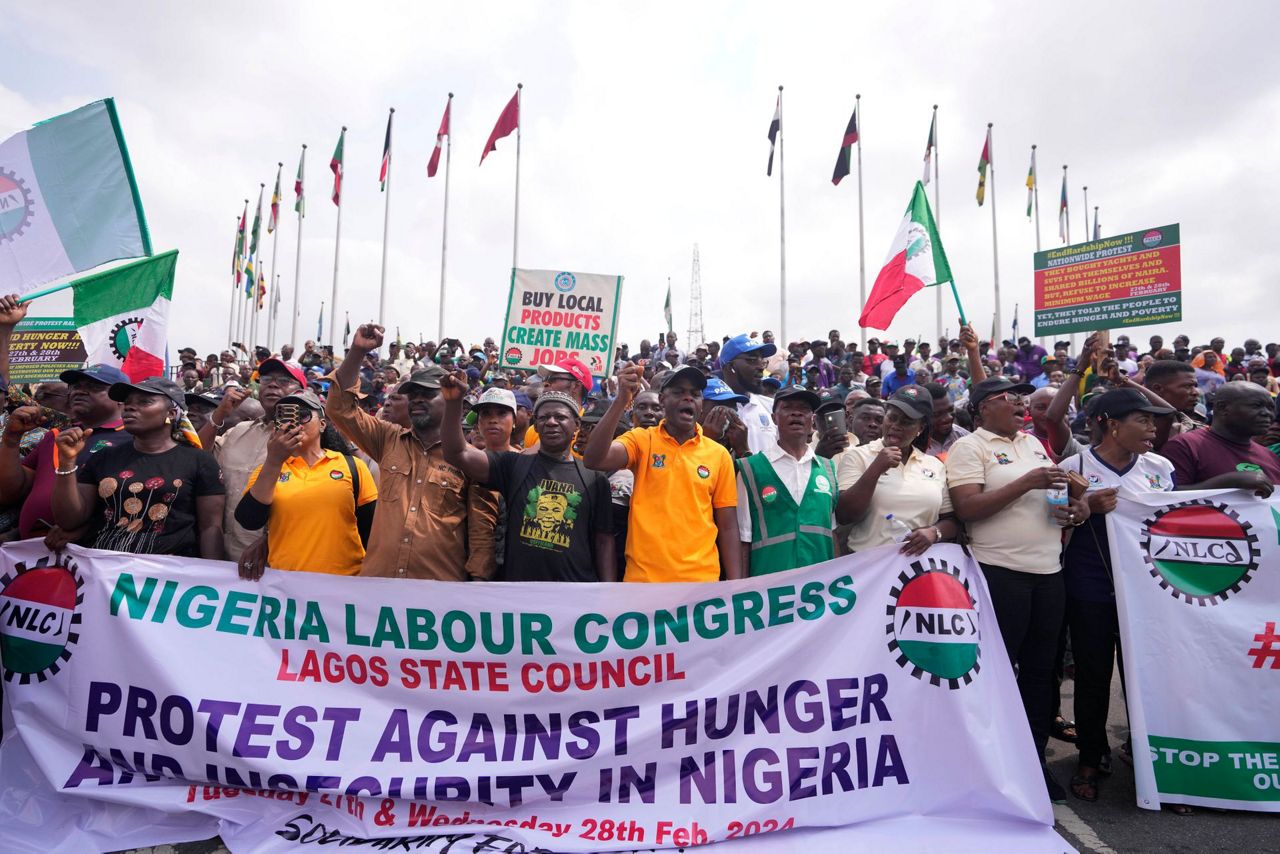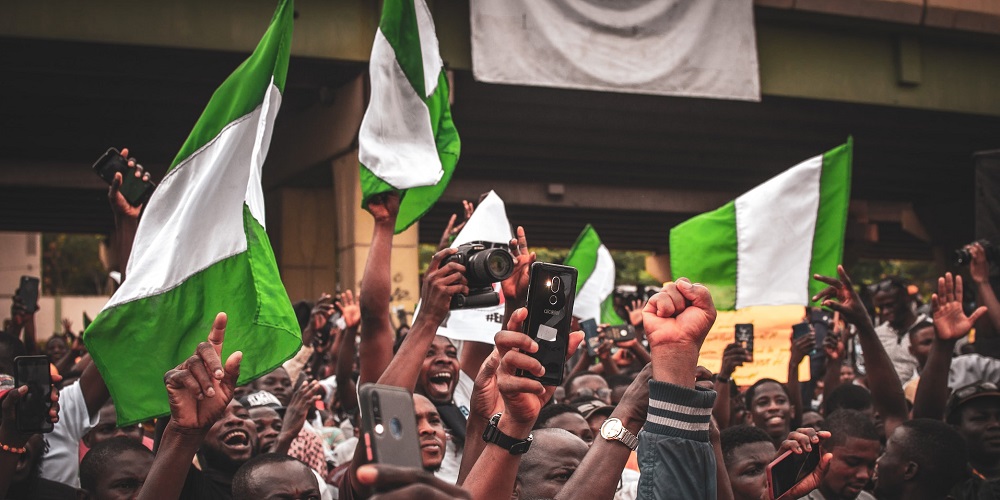
“Where government just pushes forward despite public outcry, ignoring people’s needs and even suppressing dissent, that is not the break-down of rationale democracy, it is a risk of authoritarianism, which historically has led to civil instability, protracted protests, uprising and even the collapse of systems”
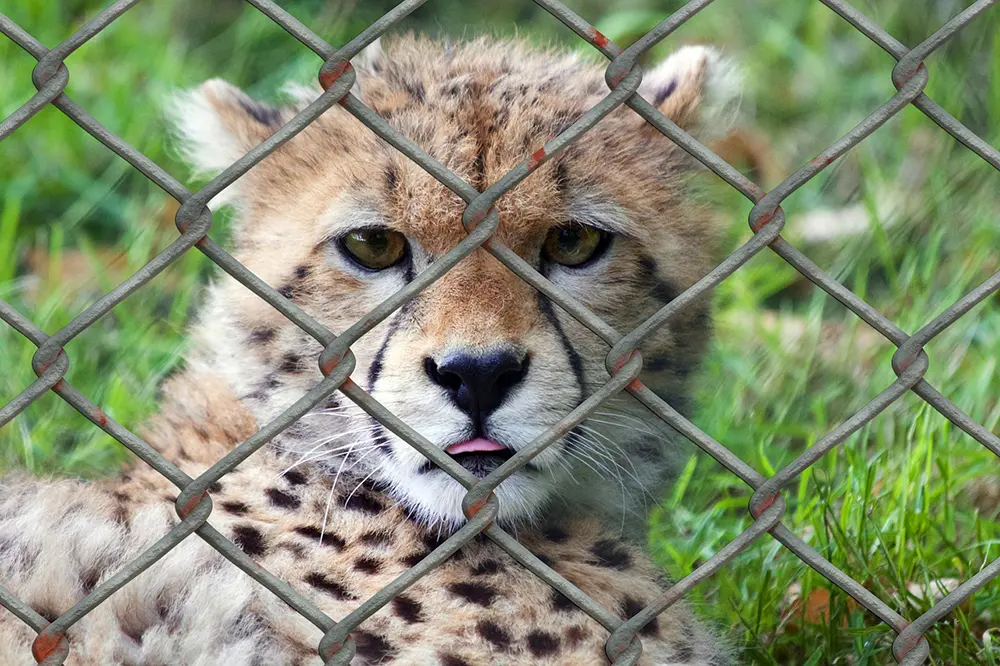
The innate ability to think as opposed to dependence on instinct, is what makes the difference between humans and animals. Animals predominantly live by instinct. Their behaviours are driven by immediate survival needs like seeking food, avoiding dangers without a conscious analysis. Humans on the other hand, have evolved to integrate reason, reflection and long-term planning. We just don’t react, we evaluate, predict, and choose based on abstract ideas and moral considerations. This capacity for conscious thought is what fundamentally differentiates us from animals. However, it not impossible or uncommon to have someone’s personality denigrated by equating his behavior to that of an animal. A situation like that occurs when one is driven by base impulses like anger, fear or raw desire which outsource control or reflection. Often extreme stress, trauma or the break-down of societal norms can push people into that kind of behavior. So, it is really a collapse of the rationale reflective side that we usually rely on. Furthermore, when a government acts purely out of fear, aggression or self-interest without reason, debate or ethical reflection, we might say it is behaving like an animal. Acting on raw power for survival. This often happens during like civil unrest, war time or after political collapses when rationale governance breaks down.
Noteworthy is the fact that democracy hinges on rationale thinking because it relies on open debate, informed decision making and the idea that citizens can reason together to shape policy. So even though there is a motion and passion in politics, democracy gives a structured space for reflection, compromise and reasoned debate, keeping it on rationale thinking. The reversal to this rule of thumb often happens when rationale discourse breaks down, like when there is wide spread disinformation, when public debate is suppressed or when people stop trusting institutions. You might also see polarization where compromise collapses and emotions overtake reason. At that point democracy risks just becoming a facade. It is so when it appears to be a democracy on the surface, people might vote, there may be formal institutions like INEC, but if the underlying rationale processes are eroded, then it is just a show and not a true functioning democracy. That is why things like a free press, strong civic education and the engaged public are crucial, because they keep that rationale deliberation space alive even in tough times. It is really about that ongoing efforts to balance emotions and reason so that democracy stays more than just a system on paper but a living process including reflection and respect.
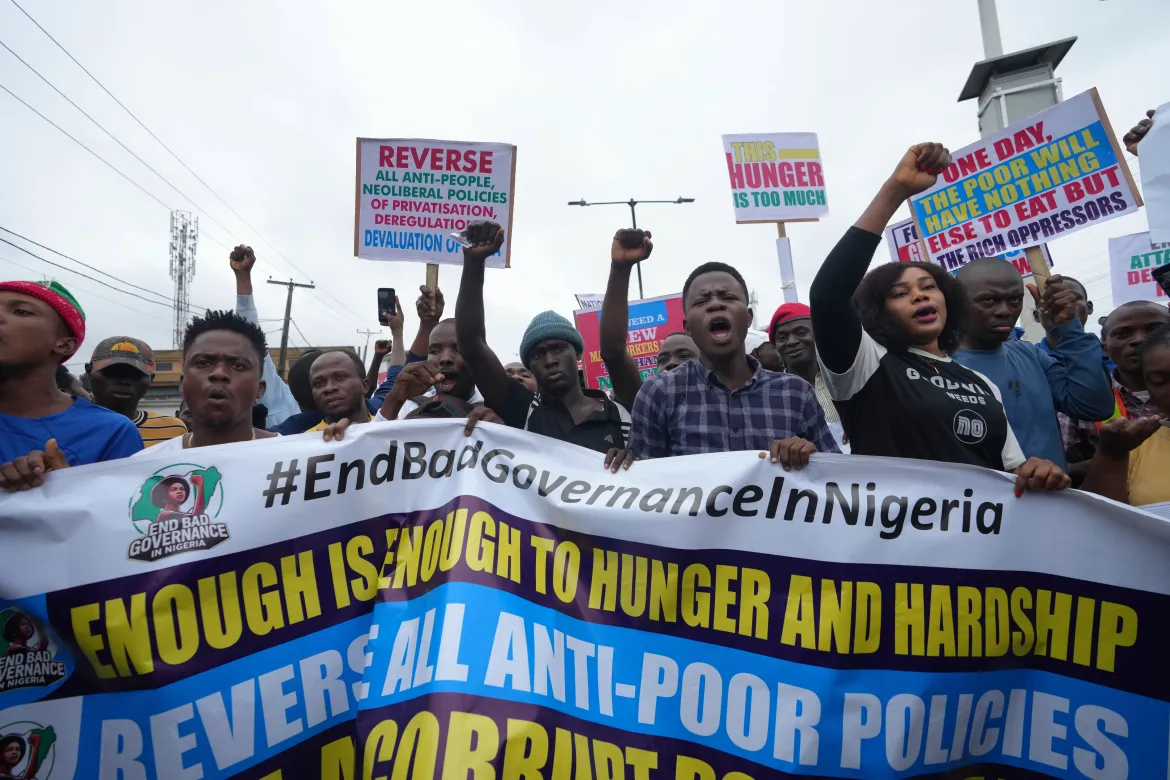
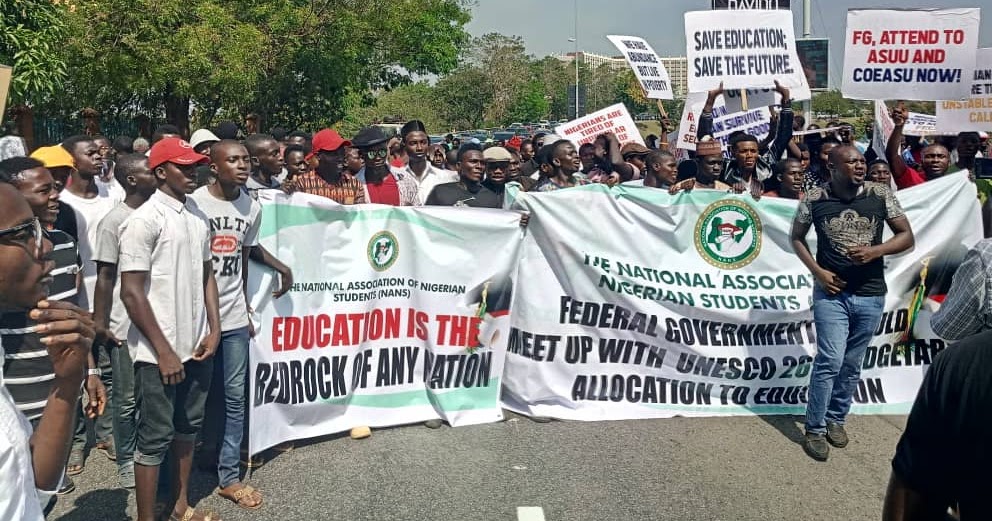
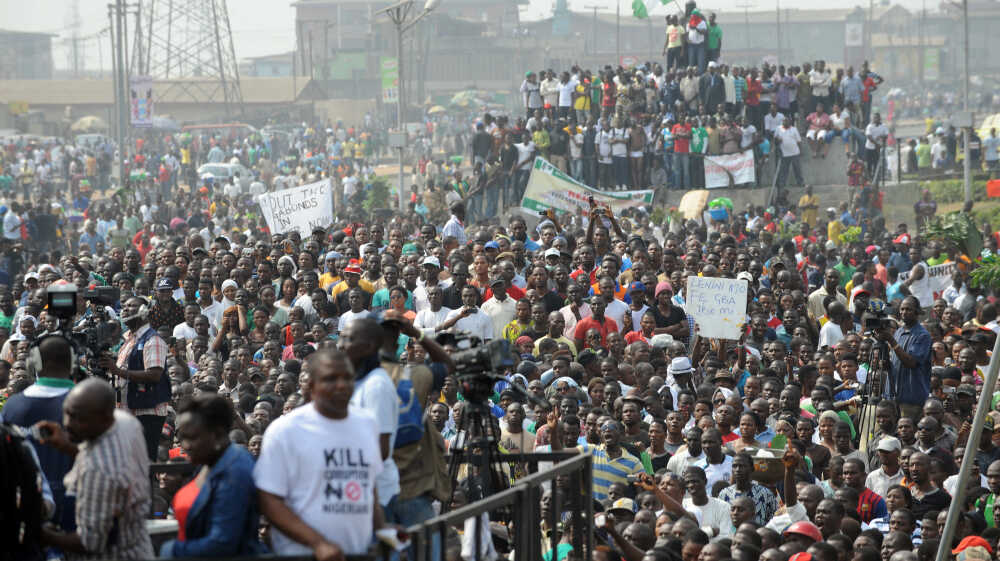
Where government just pushes forward despite public outcry, ignoring peoples needs and even suppressing dissent, that is not the break-down of rationale democracy, it is a risk of authoritarianism, which historically has led to civil instability, protracted protests, uprising and even the collapse of systems. Here we have a delicate balance to make, because once trust erodes, it is hard to rebuild. That is why democratic institutions have to stay flexible, responsive, and open to the peoples’ voices so they don’t tip over into that kind of rigidity. One of the famous sayings of Niccolò Machiavelli is worthy of reflecting on with a view to making a sense out of the volatile situation that Nigeria is currently in, and it goes this way, ‘There are two ways of contention. One by the law, the other by force. The first method is proper to man, the second to beast. But because the first is not frequently sufficient, it is necessary to have recourse to the second’. Nigeria is a country where might be always right, and that is why justice has been elusive to the common man but readily available to the rich man from among whom are the highest bidders.
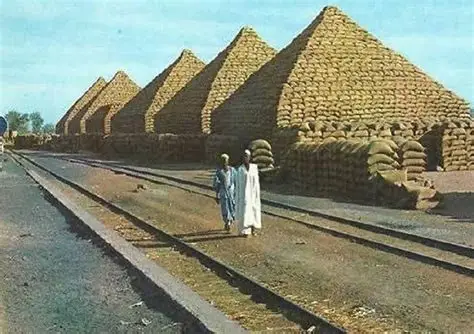
Groundnut pyramids. Kano, Nigeria.
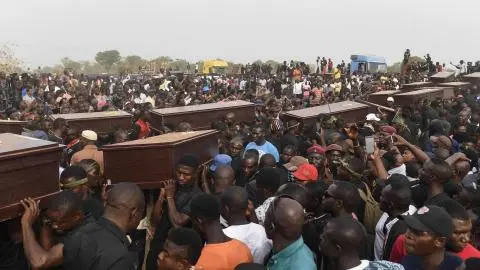
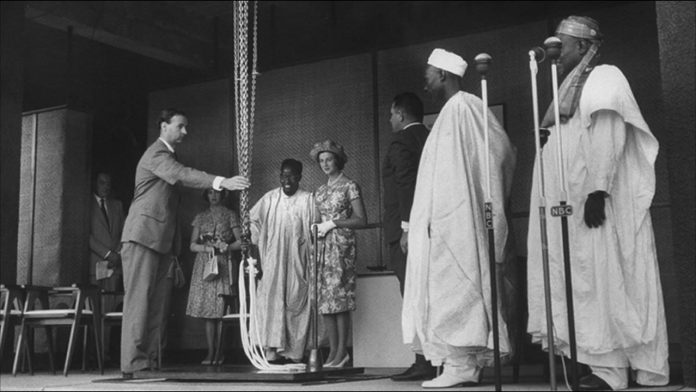
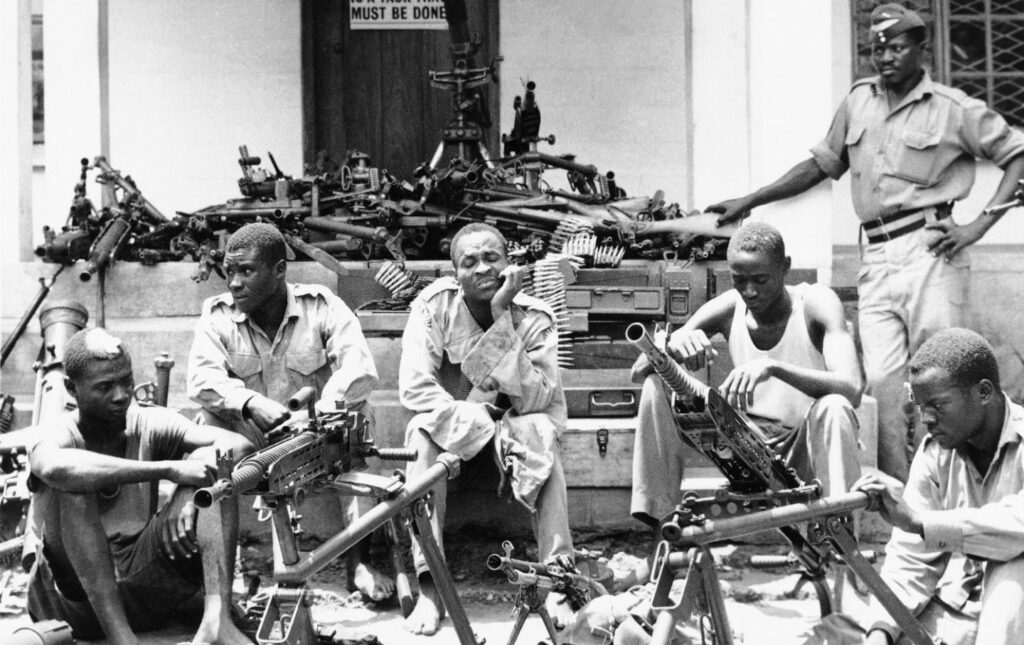
At independence, Nigeria had a lot of natural strengths, huge natural resources, a large population and a diverse cultural base. Despite the natural endowment, there were some artificial factors such as ethnic tensions, lack of infrastructure, and political instability, which have held her back. Plus, the legacy of colonialism including artificial boundaries that created frequent frictions also, all those combined together, made governance pretty tough from the start. For instance, ethnic tensions began to show early during the early post-independence leading to the Biafran war. Political instability took root as frequent coups and the lack of infrastructure made basic developments like roads, education, healthcare really slows to progress, and of course corruption which took root, a kind of compounded everything making it even harder for reforms to stick. Unfortunately, diversity which ordinarily should have been an advantage as a source of strength, was not nurtured with a shared sense of national belonging, thereby making it a fault line exacerbated by economic inequality, lack of trust in institutions, and the inability of the state to provide security, instead of strength. The rise of insecurity threats showed how the failure to integrate and build trust has come back to hunt the nation.
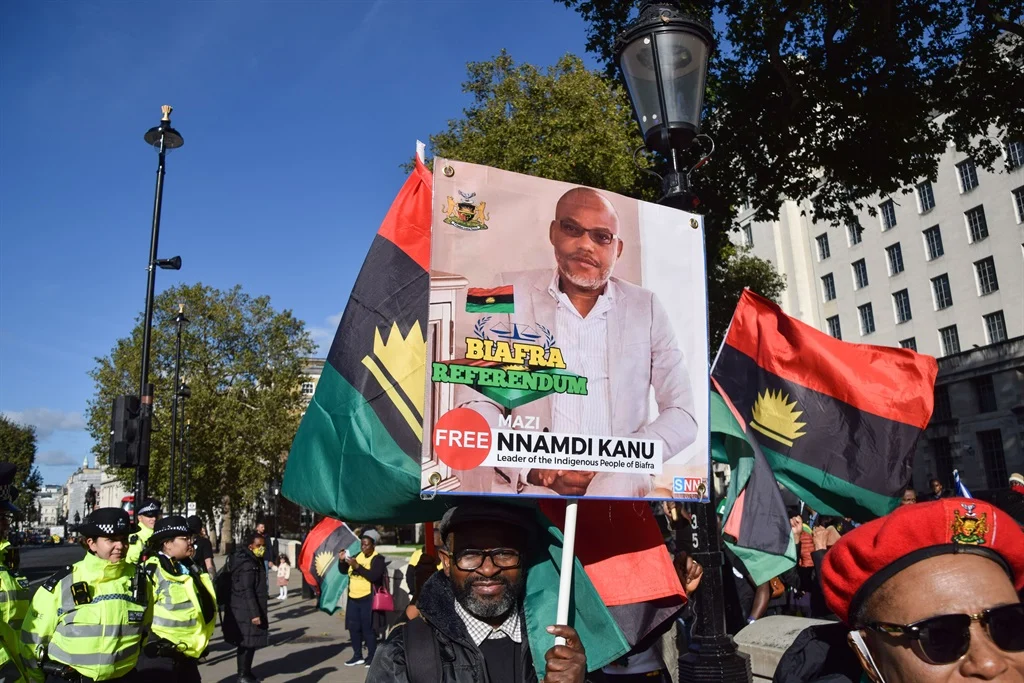
Religion on its part, while a source of identity and strength, sometimes became a tool for division especially when political powers played on those differences. Education or the lack of it is huge. Without widespread quality education, a lot of young people did not have the skills and the opportunity to drive innovation and push the economy forward. Both factors therefore created a kind of stagnation at multiple levels of the society. Furthermore, marginalization deepened the divides. Certain ethnic or religious groups felt left out of power, resources and political representation and that sense of exclusion always fueled separatist movements, distrust in the government, and even the willingness to turn to violence and banditry, and so marginalization was like a powder cake under all these other factors. Realize that a lot of communities especially in the north central and the far north felt marginalized too, often because they did not see the same economic developments in their regions or they felt politically sidelined after independence. So, as the experience of the Igbos was prominent, a lot of the north also haboured deep frustration and that contributed to the religious and the regional tensions we experience today. How does Nigeria now fit in for description as a nation that wars with itself? That I believe is a fair description, in that Nigeria has always had those tensions between becoming a potential giant and being a clog of itself, so while there were incredible strengths, culturally, economically, and with human resources, internal strife has been a major impediment to the achievement of its full potentials, making it a nation that contends with itself while looking for a way of reconciling its differences. Nigeria had all the potentials to be a major power house, economically, politically, and culturally, but has been held back by the internal divisions, religious and economic from the becoming the giant it could be. The way forward hinges on strengthening institutions to be more inclusive, making government accountable, investing heavily on education and economic opportunities across all regions. If Nigeria can build a stronger and a more equitable foundation, then it might start to thrive and actually become the giant it was meant to be.
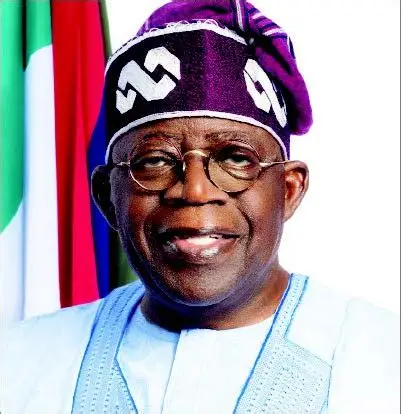
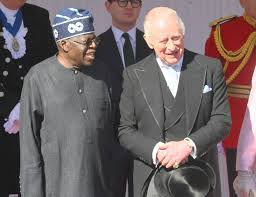
As Nigeria is today with all the obstacles confronting it as a developing nation, turning the ugly situation around will definitely require a visionary leader to drive progress. However, the question waiting for an honest answer is, who do all these problems prescribe as the long-awaited visionary leader to take over the mantle of leadership in 2027. Already, the incumbent President Bola Ahmed Tinubu has proved himself incapable of providing the kind of leadership that Nigeria truly needed to progress. What Nigeria urgently needs is RESTUCTURING and this prescribes a one term tenured leader to start with
“Public spirit which in 1789 has risen to rare height of patriotism and courage, was dying in people weary of revolution and war. Skeptical of every leader and cynical of its own hopes. Here was a situation that called not for politics, but for statesmanship. Not for leisurely democratic debates in spacious assemblies, but for dictatorship. A combination of large perspectives, objective thoughts, tireless labor, discerning tact and commanding will”. The condition prescribed Napoleon.
Nigerians are called to be objective in their choice of the next President of the country in 2027. They should be guided by the prescription of the condition of the country, not allowing emotions and sentiments to overtake the place of reason. May only the God Sent leader become the next President of Nigeria.
God bless Nigeria
By Samuel Tunji Adeyanju