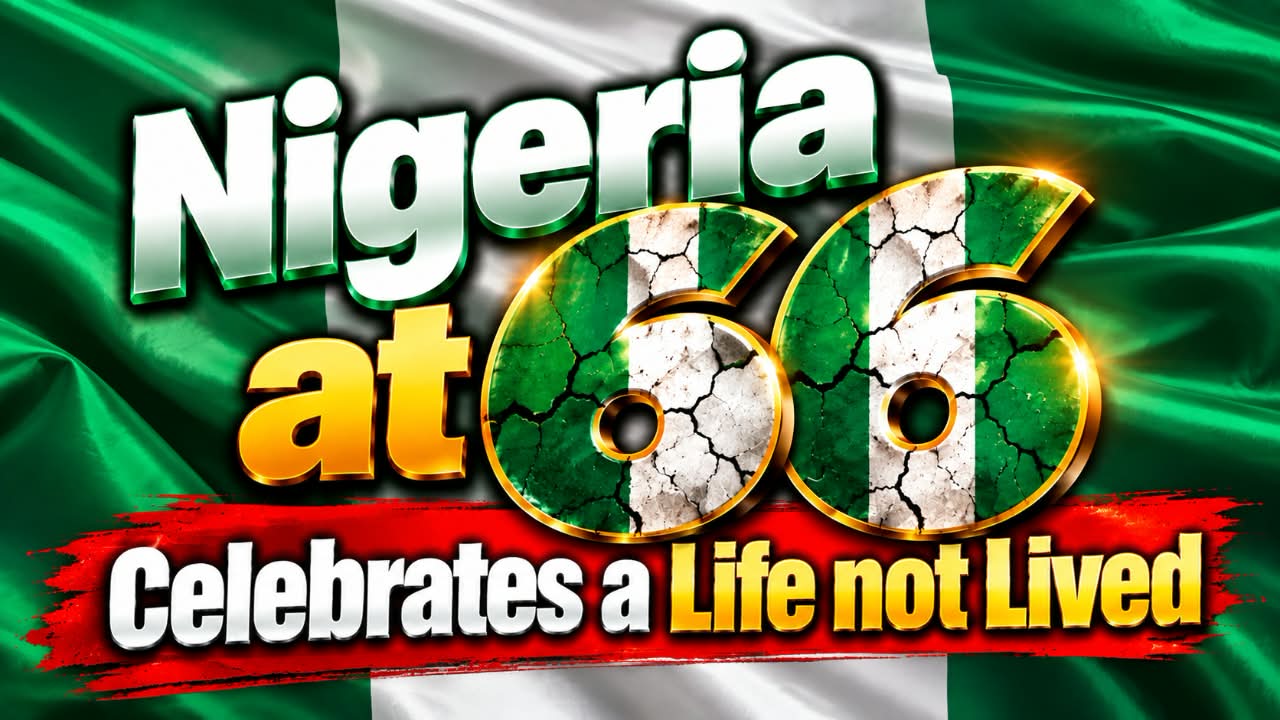
“Just as being alive is not the same as truly living, a nation can spend decades in the dreamland of its aspirations without ever arriving at the reality of its dreams. That is Nigeria’s dilemma at 66”
At 66, Nigeria can celebrate survival. But survival is not necessarily progress. Just as being alive is not the same as truly living, a nation can spend decades in the dreamland of its aspirations without ever arriving at the reality of its dreams. That is Nigeria’s dilemma at 66.
The number 66 is not merely an age; it is an echo. Nigeria turns 66 in 2026, exactly 60 years after 1966 a year of coups, assassinations, ethnic tensions and a dangerous collapse of trust that helped set the country on the road to civil war. That history is recalled not to reopen old wounds or suggest that 2026 is a repetition of 1966. It is recalled because history is an early-warning system, and prevention is better than cure.
The civil war ended with Nigeria remaining one country and the proclamation of “no victor, no vanquished,” followed by the three Rs Reconciliation, Rehabilitation and Reconstruction. That was an important victory. But winning the war was not necessarily the same as winning the peace.
Decades later, continuing claims of marginalization among some Igbo Nigerians raise a question the country should not be afraid to ask: How complete has reintegration truly been? This is not about accepting every political claim as fact. It is about asking why such perceptions have endured. Reconstruction can rebuild roads and bridges; rehabilitation can restore livelihoods; reconciliation can bring former adversaries back to the same table. But reintegration asks something deeper: Do people truly feel that they belong?
A country is not completely united simply because its geographical boundaries remain intact. Unity must also exist in the consciousness of its citizens in the assurance that ethnicity, religion or region does not condemn anyone to permanent second place.
This is where 1966 meets 2026. Nigeria’s dilemma is not confined to history books. It is visible in marketplaces, on abandoned farms, along unsafe highways and in homes struggling to put food on the table.
The World Bank reports that Nigeria has made progress in restoring macroeconomic stability, but household living standards have yet to recover fully. More than 60 percent of Nigerians are estimated to be living below the national poverty line, while banditry, kidnapping, insurgency and separatist agitation remain serious insecurity challenges.
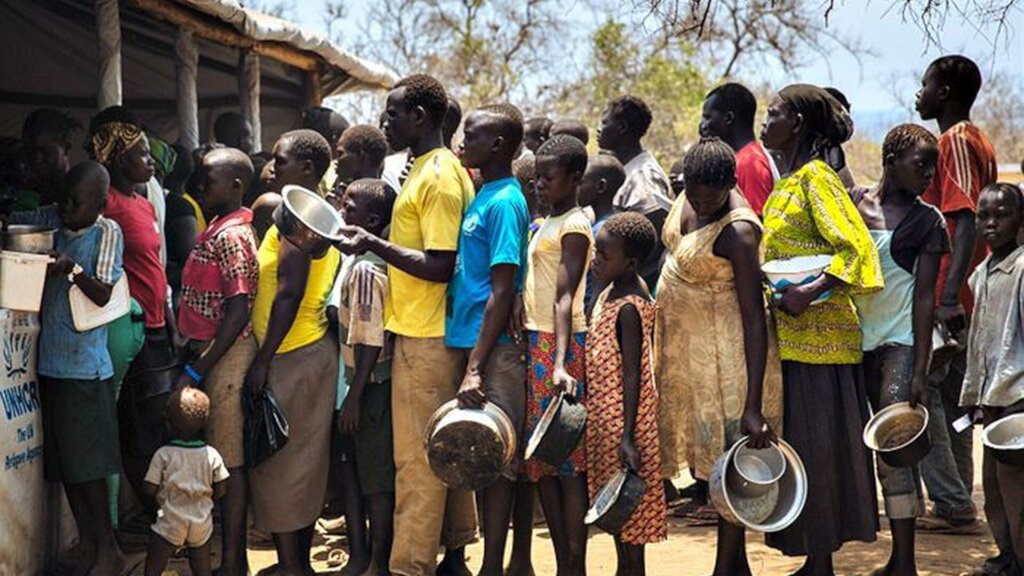
So, what does independence mean to a farmer afraid to go to the farm? What does macroeconomic progress mean to a family struggling to feed itself? What does citizenship mean to a community living in fear of kidnapping? And what does democracy mean if citizens struggle to connect it with greater security, opportunity and dignity?
Another number therefore deserves attention: 27. Nigeria has experienced 27 years of uninterrupted civilian rule since 1999 the longest continuous period of civilian government in its history. That is no small achievement. But democracy cannot be measured by duration alone. Nigerians are entitled to ask whether democratic longevity has made the country safer, strengthened institutions, reduced poverty and increased citizens’ confidence in elections. The point is not that nothing has been achieved; it is that democratic longevity must increasingly translate into democratic dividends citizens can feel.
Here, the Nigerian university must also look in the mirror. University campuses were once prominent arenas of political debate and student activism. The comparative silence on many campuses today deserves examination. Silence is not always peace; sometimes, it reflects a deficit of political consciousness.
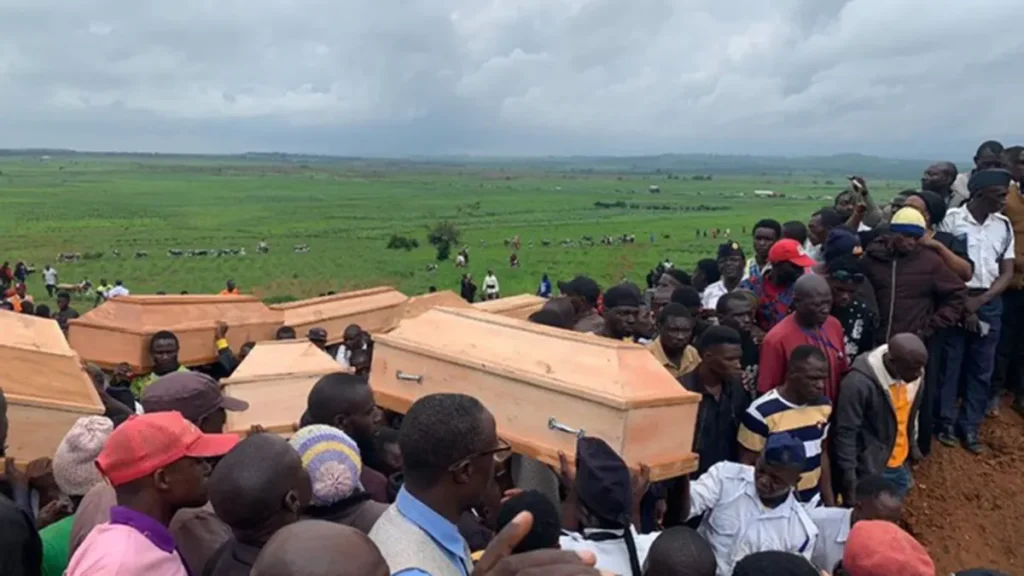
Universities should be among society’s safest places for difficult questions. To teach critical thinking in classrooms and discourage its civic exercise is to educate incompletely. Professors bear a special responsibility. Society accords them unusual intellectual authority, but that authority weakens when it is not matched by a willingness to ask uncomfortable questions. The same obligation arises when academics are entrusted with sensitive national responsibilities, including roles in the electoral process. Their involvement is intended to strengthen credibility, and scholarship itself demands intellectual independence.
Young Nigerians also belong at the centre of this conversation. The National Youth Confab scheduled for 2026 presents an opportunity to hear youth voices. But representation must mean more than geography; it must include diversity of thought. The important question is not merely whether constituencies are represented, but whether independent, critical and even dissenting young voices have a genuine place at the table. A youth conference that becomes an echo chamber would be an opportunity missed.
Nigeria’s earlier campus tradition produced prominent activists and civic voices. That history reminds us that universities remain vital spaces for democratic consciousness not for recruiting students into unquestioning political loyalty, but for nurturing citizens capable of independent thought.
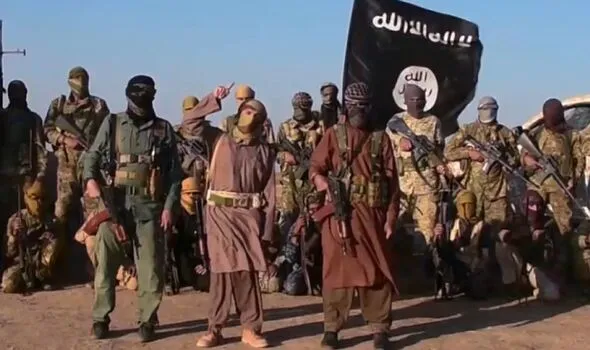
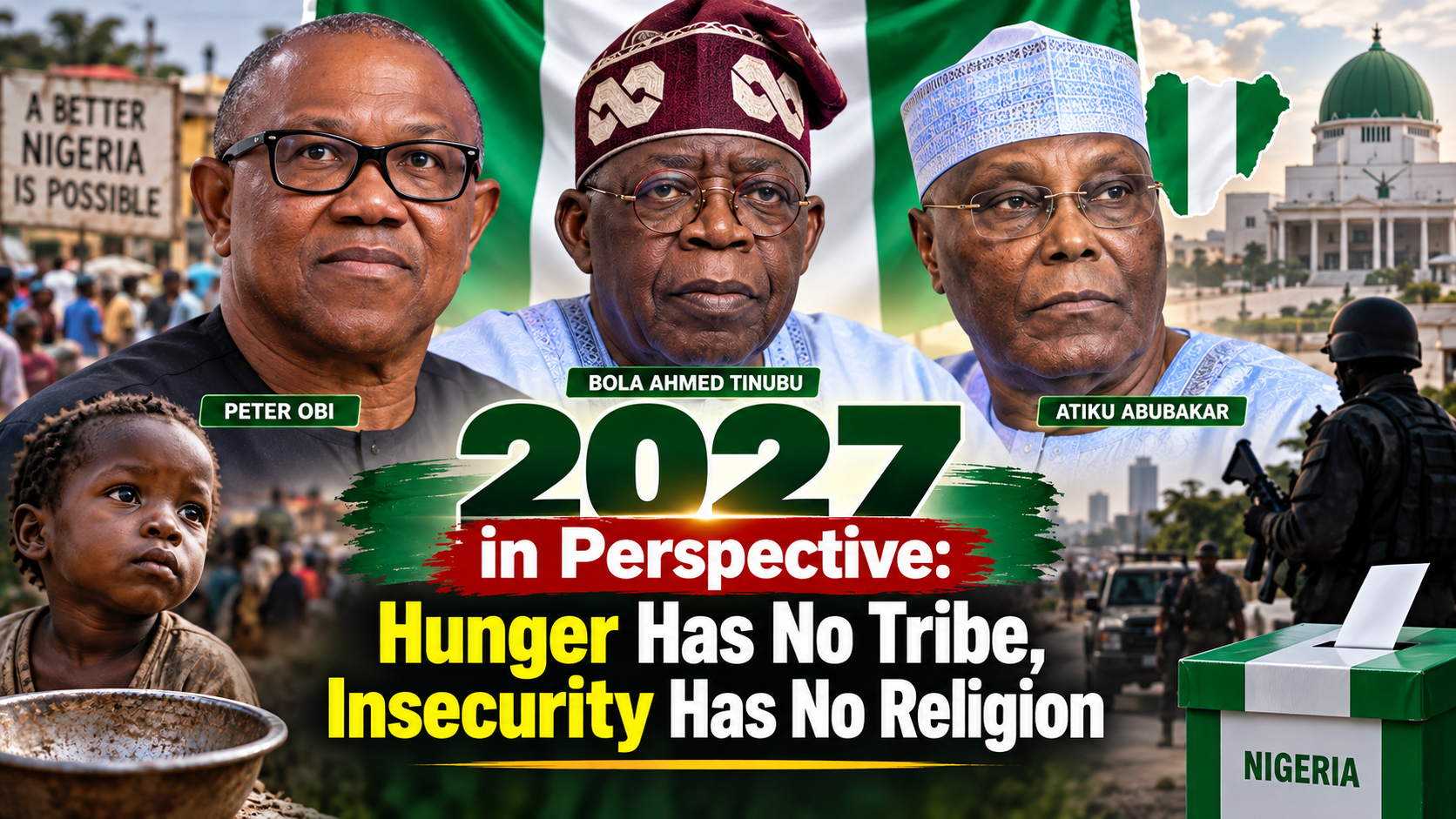
All these threads lead toward 2027: the memory of 1966, the unfinished task of reintegration, persistent insecurity and poverty, 27 years of uninterrupted democracy, the independence of academia and the political consciousness of young Nigerians. They converge around one fundamental question: Has Nigeria learned enough from its history to prevent its mistakes from becoming its future?
The meaning of 2027 should therefore not be reduced merely to which party wins an election or which individual occupies an office. The victory Nigeria needs transcends party and identity: credible institutions, peaceful participation, inclusion and a society in which citizens can believe their voices still count.
And that returns us to 1966. Nigeria in 2026 possesses one enormous advantage over Nigeria in 1966: we know what came next. That knowledge is itself a national resource. Nigeria does not need another wound to discover the value of prevention, another conflict to appreciate reconciliation, another democratic crisis to understand electoral integrity, or another generation of politically disenchanted young people to rediscover the university as a vibrant civic space.
So, what does Nigeria really celebrate at 66? Perhaps, above all, it celebrates hope the hope that a nation that survived 1966 can learn from it; that Reconciliation, Rehabilitation and Reconstruction can deepen into genuine Reintegration; that 27 years of uninterrupted civilian rule can be measured not merely in years but in national progress; and that 2027 will demonstrate learning rather than repetition.
At 66, Nigeria can light its candles and sing its anthem. But history will still ask not merely how long have you existed? It will ask: How much have you learned?
Happy 66th anniversary to the best country in the world. God bless Nigeria and Nigerians.
By Samuel Tunji Adeyanju