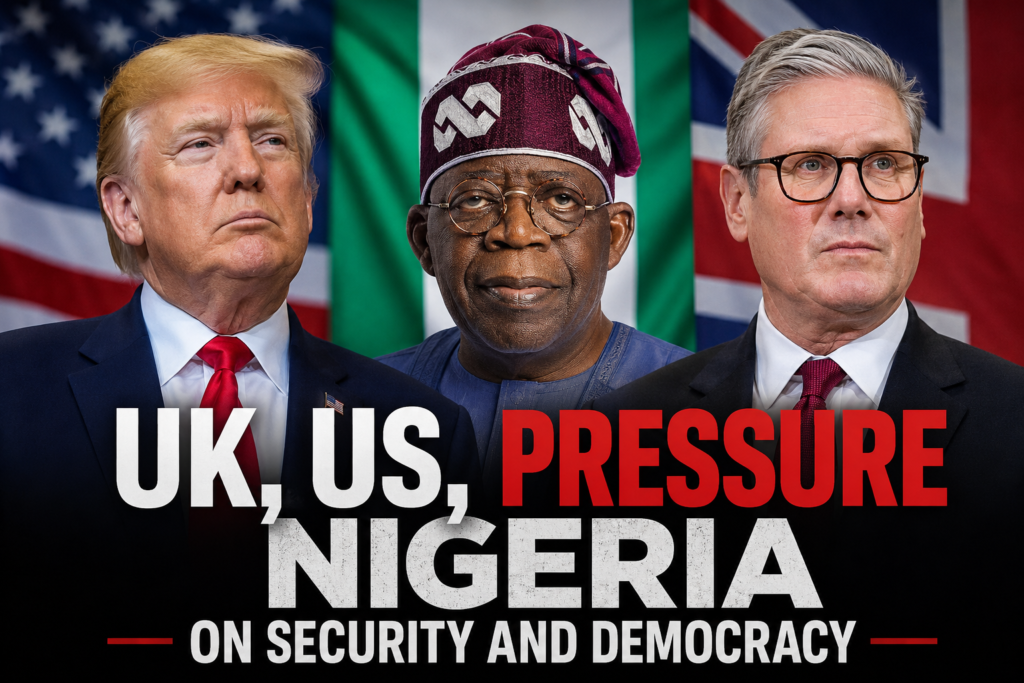
“It is clear that Britain is signaling attention to the integrity of the process, while the US discussion centers on security and religious freedom. Different focus, but together it means that there is a period of closer international scrutiny on both security and democratic processes”
The country Nigeria is out of pivotal point with internal strains and external scrutiny converging, and the 2027 elections are shaping up as a major test. Security, credible elections and public trust are the pillars drawing attention from Washington and London. How Nigeria’s institutions demonstrate measurable progress in those areas, would likely shape both internal dynamics and international perceptions in the months ahead.
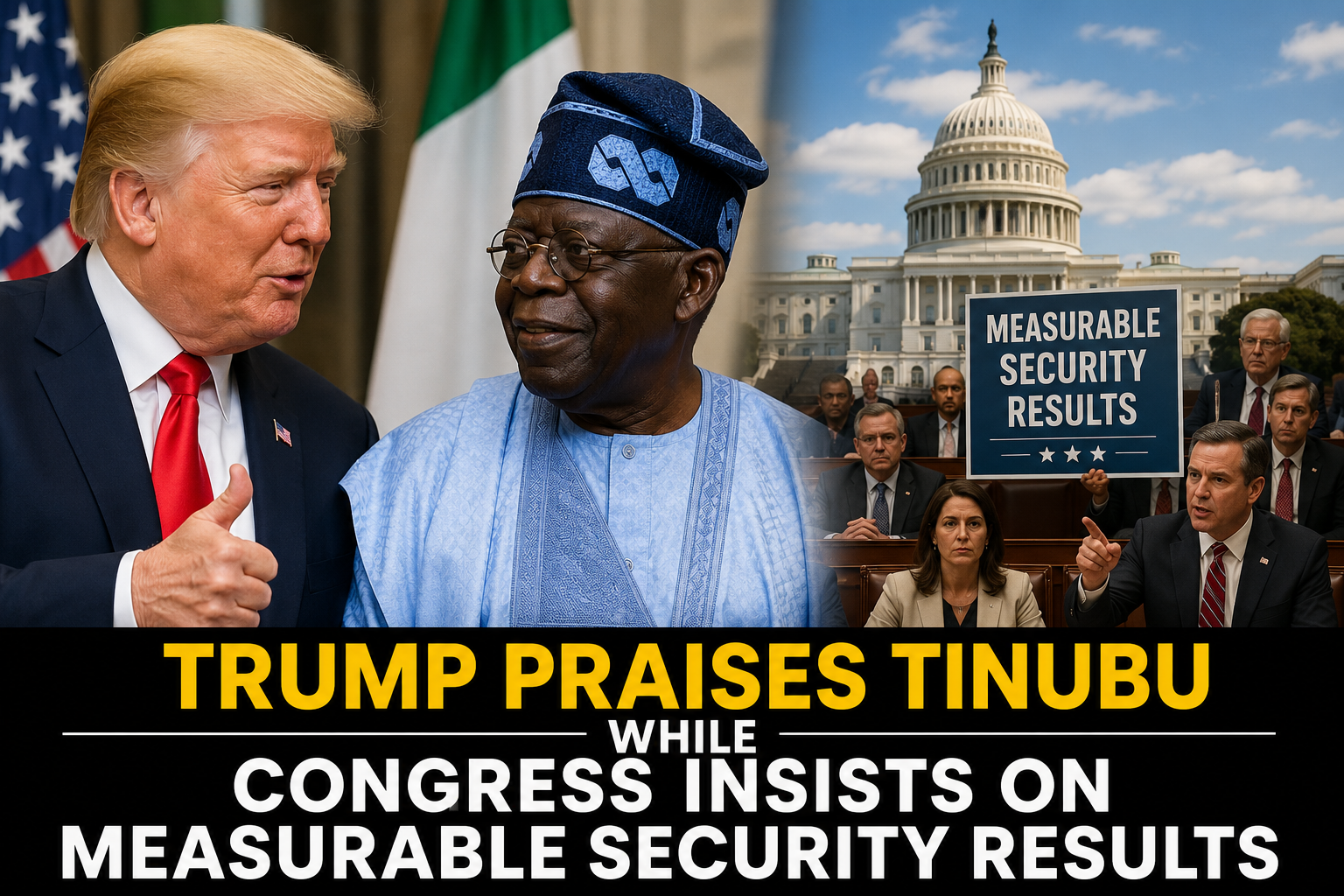
You probably might have heard that the US House approved an amendment to withhold all aid unless the Secretary of State certifies that Nigeria is taking effective steps to prevent terrorism and to protect communities. Noteworthy is the fact that it is not yet final law, for still needing to pass through all the legislative process including the Senate. Nevertheless, some effective steps that can be taken include, demonstrable protection and accountability rather than ending terrorism overnight. However, ongoing attacks especially the recent attack on a community in Benue where more than 20 people were killed, could make that harder to demonstrate. Here a few factors converged, continued concern in congress about persistent attacks on Christians, a shift in US policy directions and priorities under the current administration, and a sense among some law makers that past engagements haven’t produced any hope for changes. They seemed to reflect frustration with the status-quo. They attempt to use leverage more than a direct response to Nigeria’s elections calenda.
Earlier this year, the UK said in parliament, that it is closely monitoring Nigeria’s preparations for the 2027 elections, and plans to deploy election observers and work with Civil Society Organizations and INEC, and just days ago, the British High Commissioner met INEC to reiterate that the Uk is monitoring and wants to understand INEC’s preparations. It is clear that Britain is signaling attention to the integrity of the process, while the US discussion centers on security and religious freedom. Different focus, but together it means that there is a period of closer international scrutiny on both security and democratic processes. This is something to watch closely, and not a verdict on the election outcomes by itself.
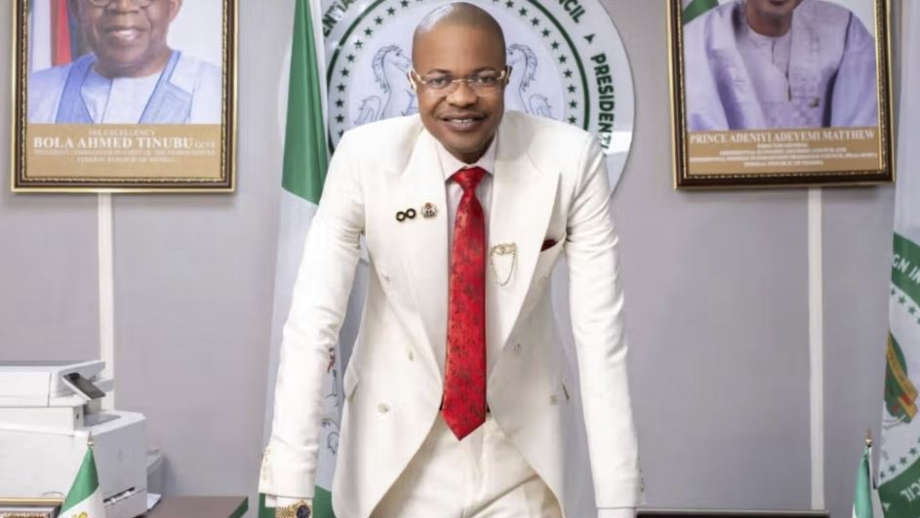
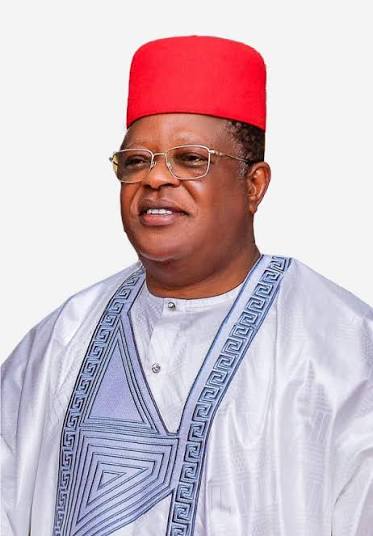
However, the recent controversy surrounding the alleged Presidential Foreign Intervention Promotion Council, headed by Prince Adeniyi Adeyemi Mathew who is now detained by the ICPC, and the reported death of a young woman, Mary Habilla, linked to the house of the minister of works, Senator David Umahi, have brought transparency, accountability, and public trust back into focus. The alleged fake agency episode matters not just because of the conflicting claims around it, but because it raises systemic questions, specifically, how a body later described as non-existent could reportedly gained some form of official recognition. That points to possible gaps in administrative checks and highlights the need for stronger safeguards, regardless of where the faults land. The second incident, involving a death under circumstances that have drawn public attention, presents a different challenge. Without clear and timely public information in a sensitive matter, speculation can flourish and trust erodes even before any findings are made. In such cases, the expectation is for a process that is demonstrably thorough, credible and prompt, one that can establish facts and reassure the public. Taken together, these episodes show that credibility depends not on the conduct of the individuals, but on the robustness of institutions and the openness of the official response. In a democracy, public confidence is sustained when due process is visible, communication is clear, and the rule of law is seen to apply evenly. How these matters are resolved may shape not only domestic confidence, also international perception.
There is no gainsaying the fact that Nigeria is faced with a tangle of multiple overlapping issue; insurgency in the Northeast, banditry and kidnapping in the Northwest, communal conflicts in the middle belt, and separatist tension in the Southeast. When several crises overlap, even real efforts can feel invisible if institutions and resources are stretched thin. That is not to say that nothing has been done, but that the scale of the problem keeps outpacing the responses so far. That is why outside pressure sometimes enters the picture. The interplay between local realities and outside pressure is messy. At this point, it is not as if Nigeria has no options, but the options are tough. The argument is strongest when backed by evidences and not just assurances. Therefore, the most realistic path may be to produce verifiable results, clear investigations, protection for high-risk areas, and transparent cooperation that outsiders can verify. If the security picture does not improve, the diplomatic case is hard to make, but not impossible. Those kinds of internal issues matter because they can affect public trust in institutions. Allegations around a non-existent agency receiving funds, or a high-profile death linked to the official convoy raise questions about transparency, investigation and accountability. Without presuming outcomes, it becomes part of a broader test whether institutions can respond credibly and as a part of governance and public confidence dimension, vis a vis security and electoral credibility. It is less about any one allegation, but more about how institutions handle such tests. For a high level advice, I keep it all to principles; demonstrable actions on security and accountability, transparent investigations when controversies arise, and a strong and credible electoral process going into 2027, with clear communication to citizens and partners. The emphasis here is on verifiable steps and public trust rather than rhetoric.

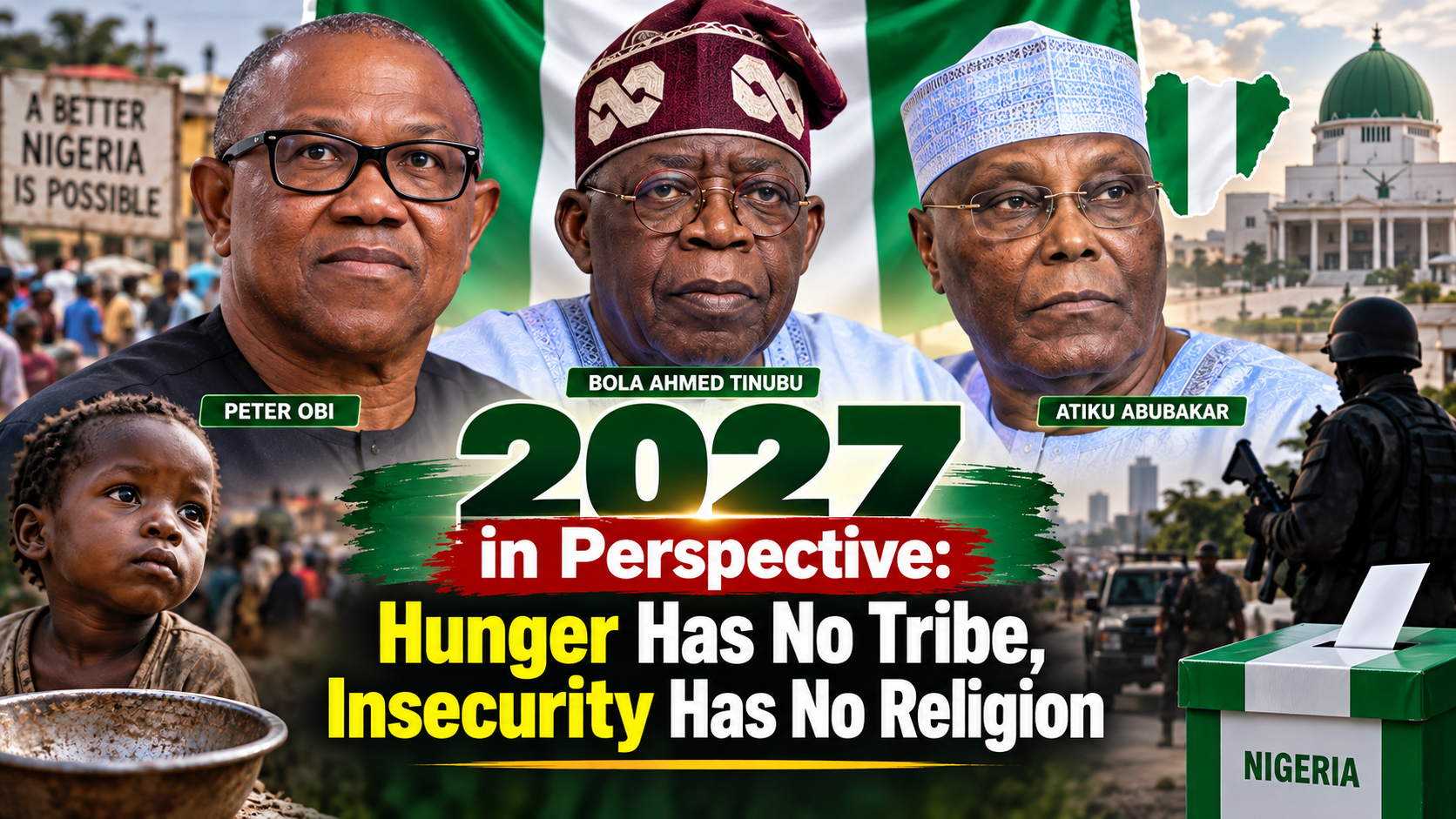
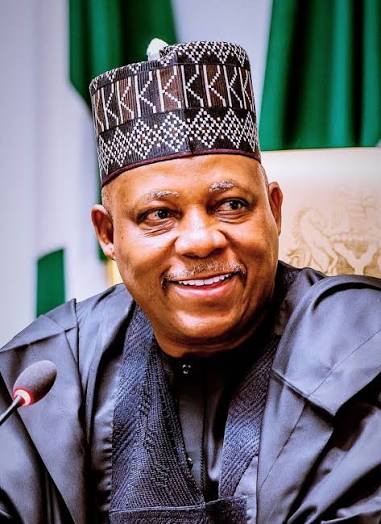
Ultimately, it is up to Nigeria’s institutions and people to define that path, by rejecting the moslem-moslem ticket of Tinubu and Shettima as a first step to proving to America the seriousness about efforts in the direction of ensuring religious freedom. It is important also, to refuse the renewal of failure of the All Progressive Congress Party (APC) and their directionless leader, Bola Ahmed Tinbu, that Nigerians may breathe.
The sudden withdrawal of the American soldiers from Nigeria and the plan to sanction Nigeria on security matters, is a testament to what is hidden behind the veil which the ordinary Nigerians cannot see with their naked eyes.
God bless Nigeria.
By Samuel Tunji Adeyanju