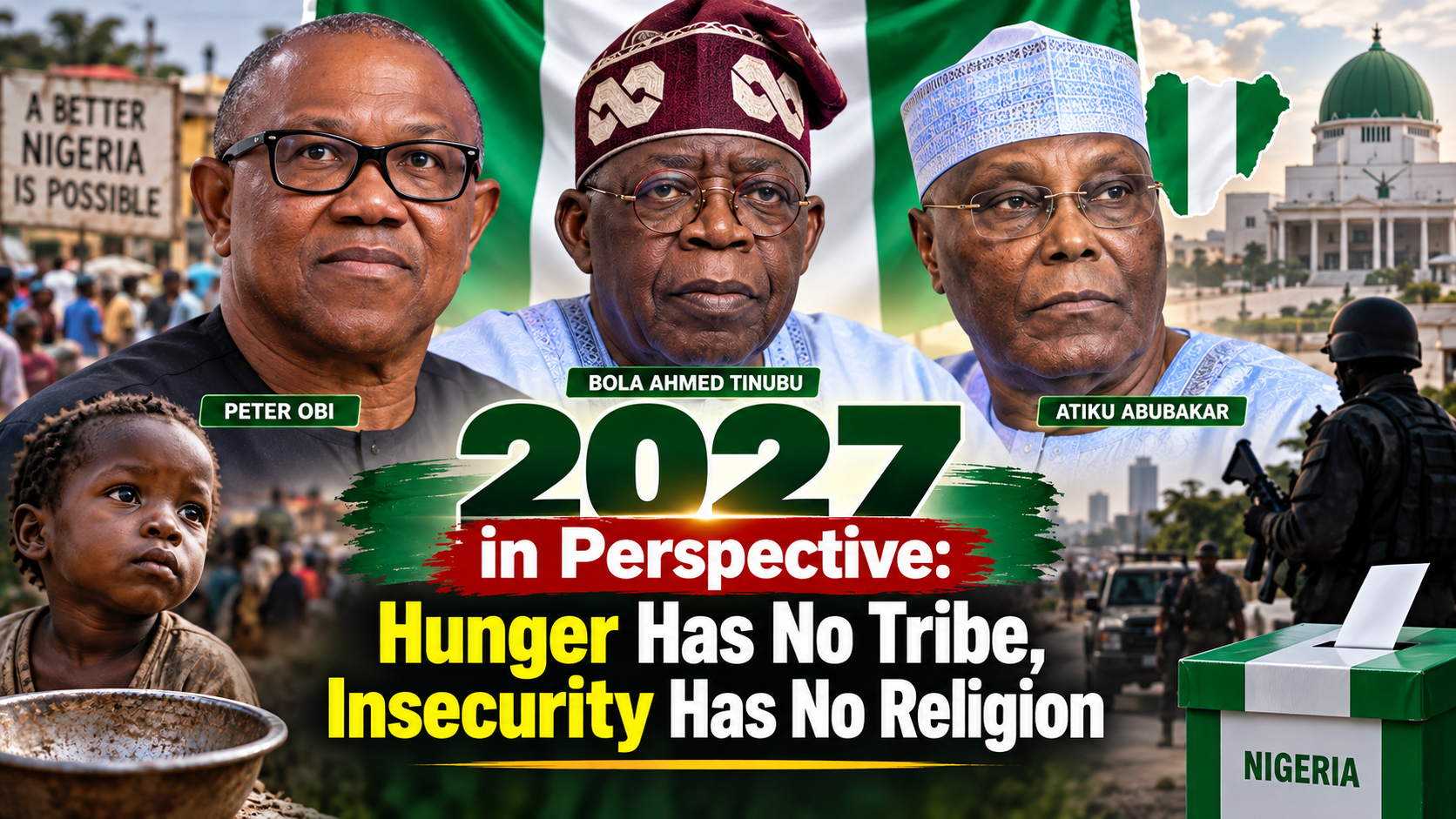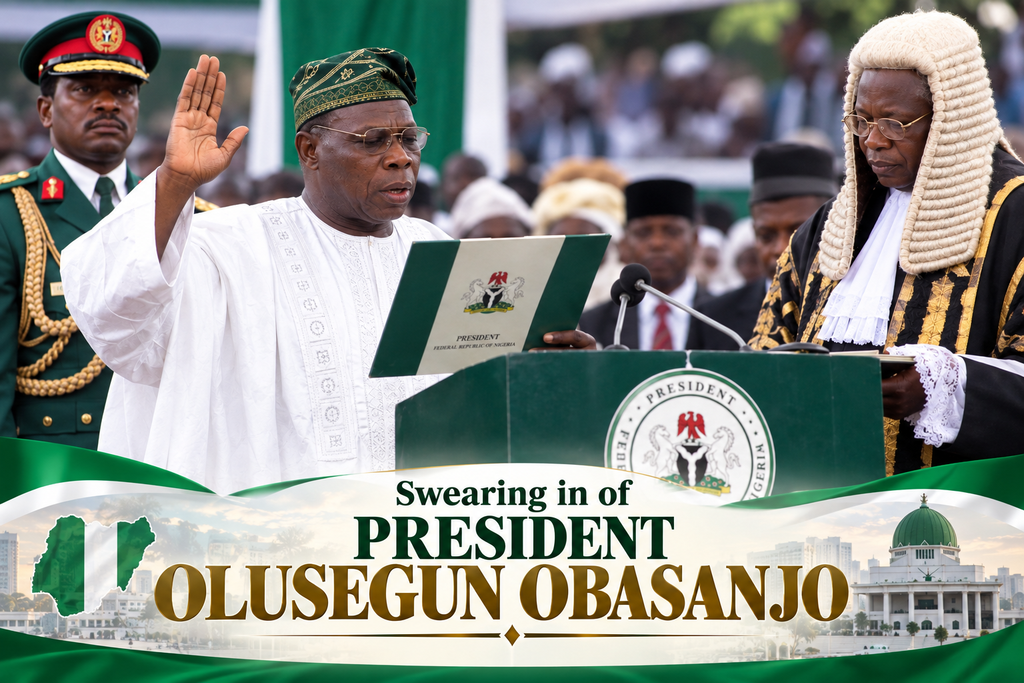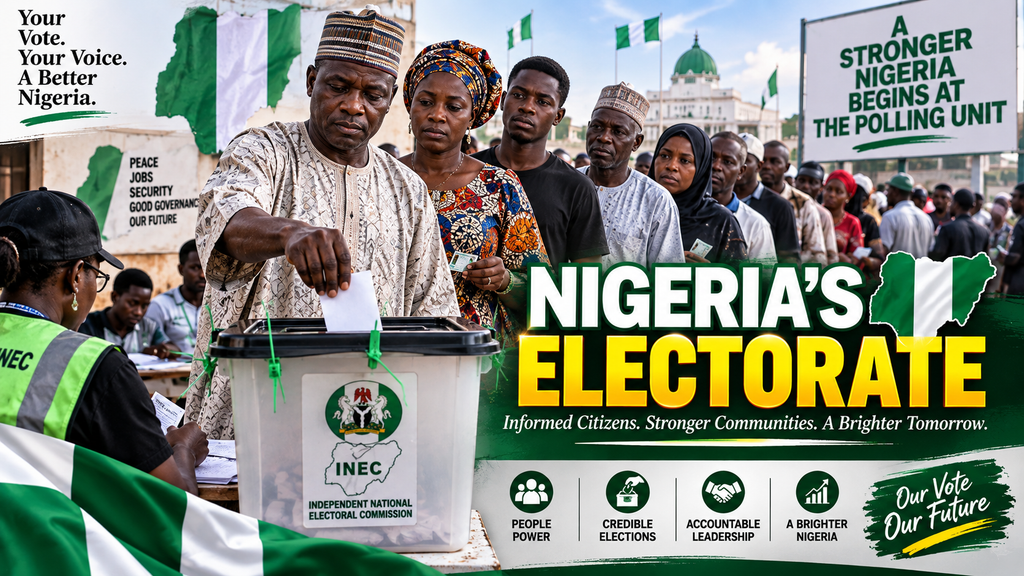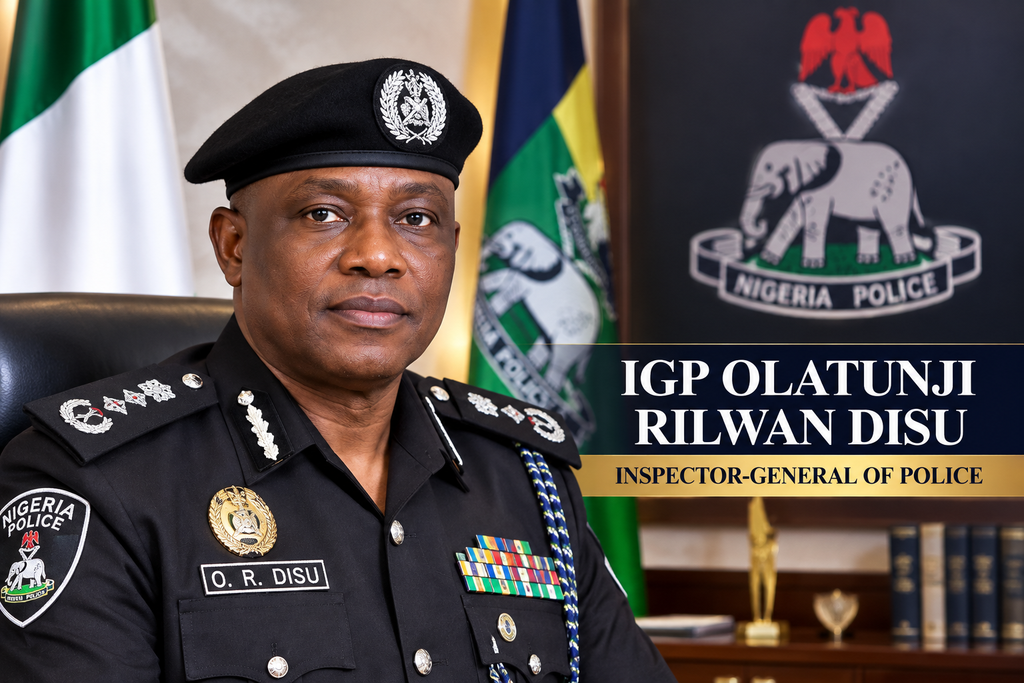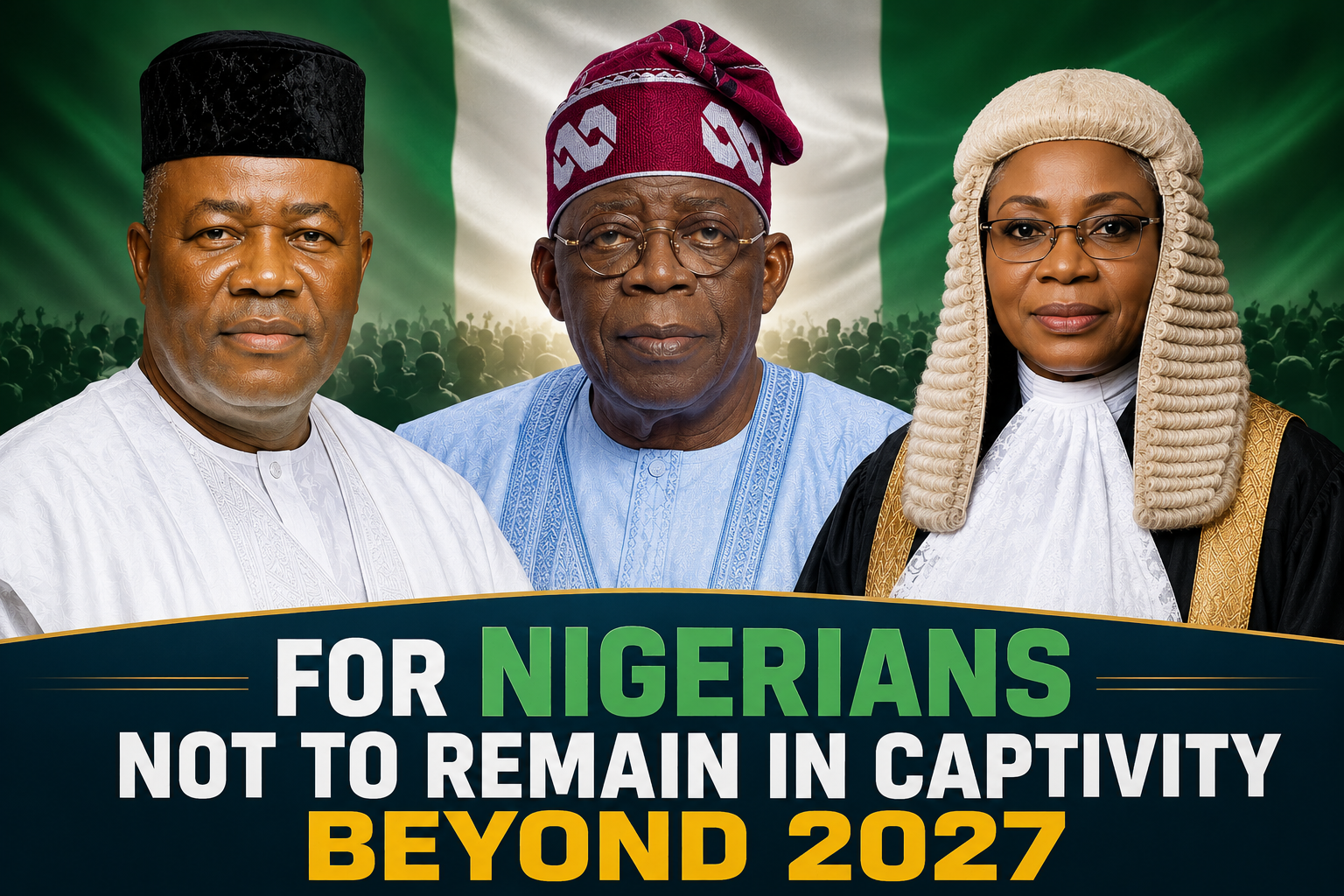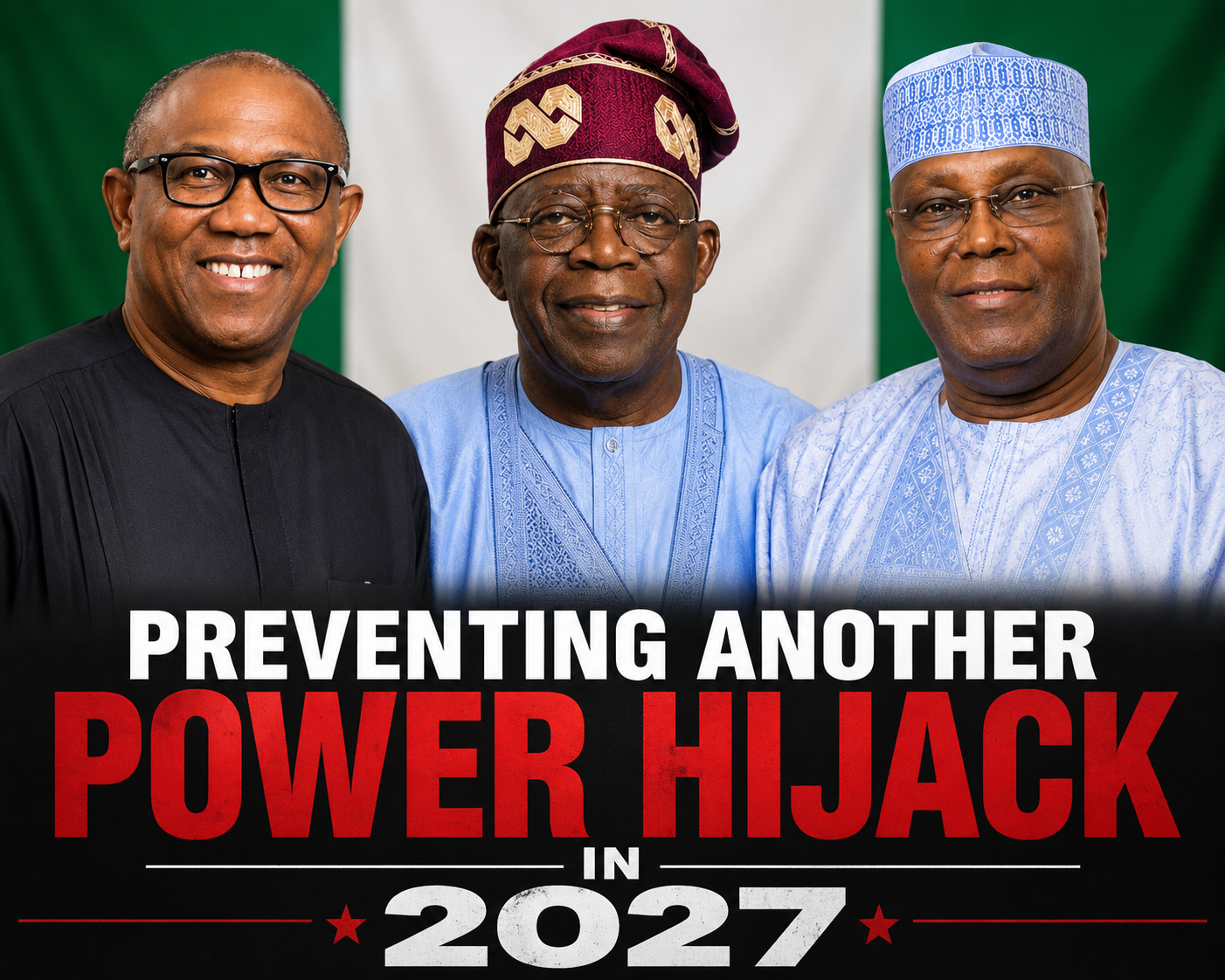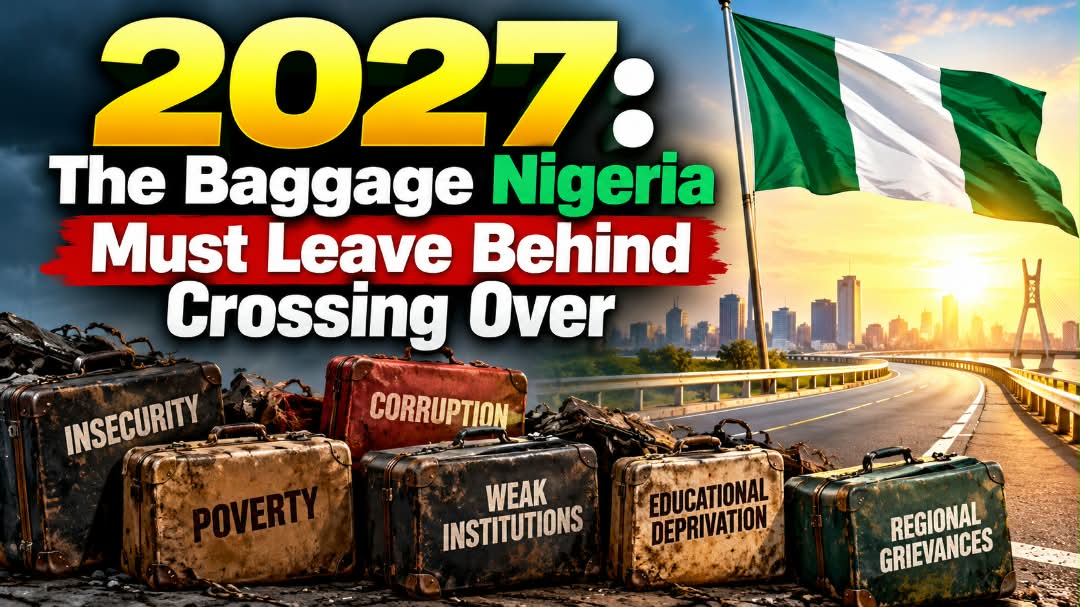
“Despite the possession of an array of competent southern candidates, a fractured approach risks handing advantage back to the ruling party. If the opposition unite, acknowledging the historical South-north power sharing agreement, they stand the chance to harness the national dissatisfaction. A unified opposition can present a credible reform-minded opposition, challenging the ruling party’s lack of performance”.
Even the blind can attest to the fact that the political terrain of Nigeria is dangerously slippery, and those in power who keep denying the reality of what Nigerians face daily especially in hunger, insecurity, banditry and all other forms of criminality, should be asked if they need to be blind to see.
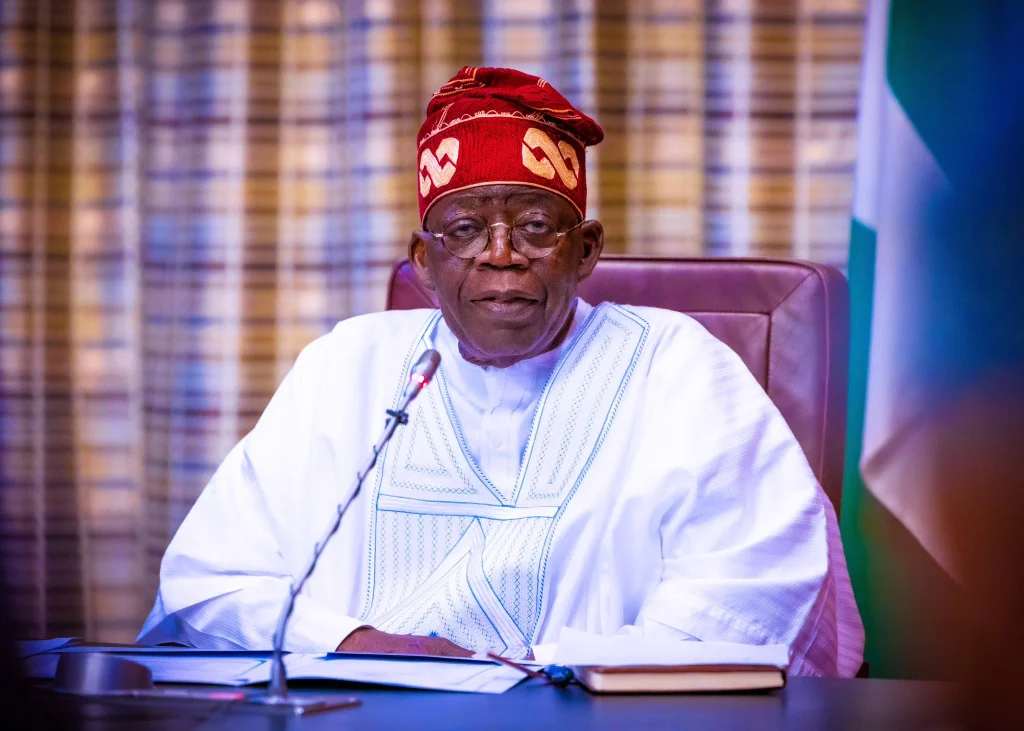
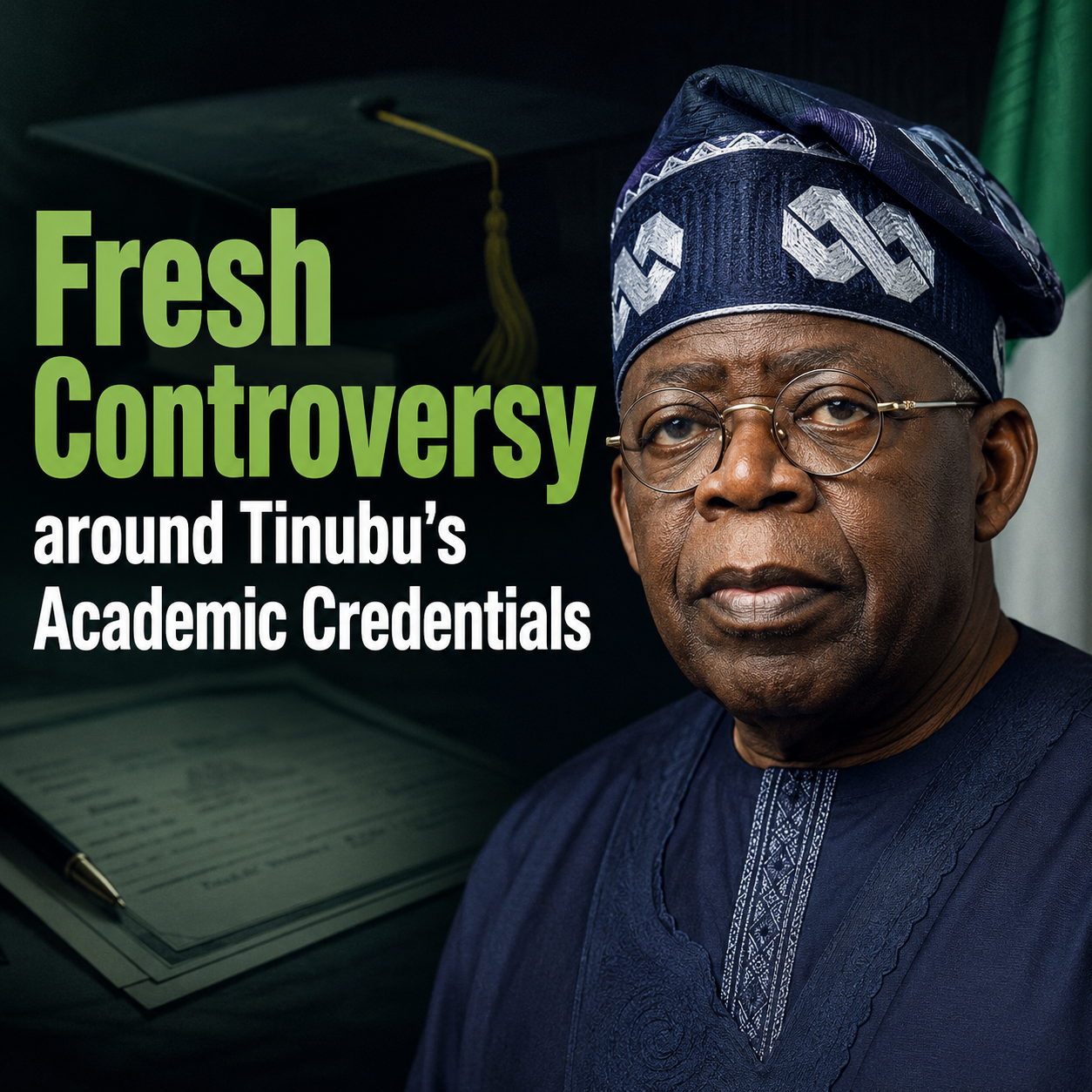
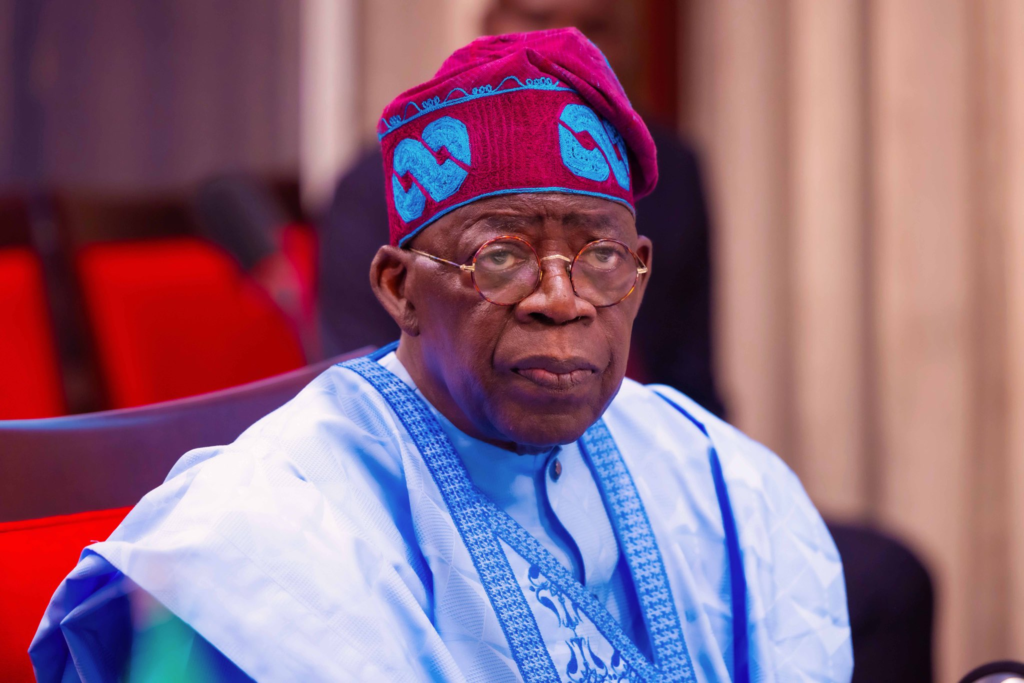
Bola Ahmed Tinubu
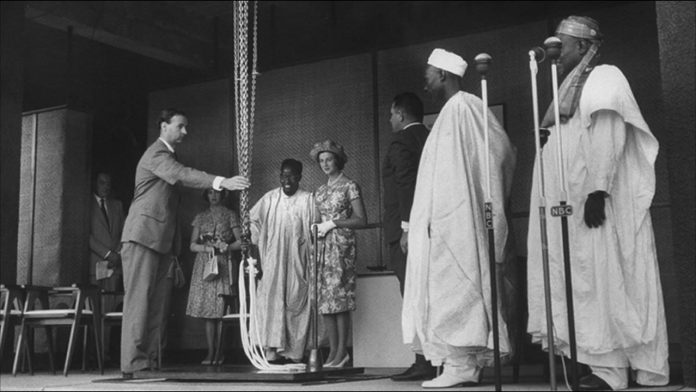
Nigeria’s political terrain is deeply rooted in a complex historical balance between the north and south. Since independence, the country has often cycled through agreements to ensure power sharing with the tacit understanding that after a northern presidency, the south would be allowed to complete its term. This balance gave way to a delicate rotation, and yet in recent years the political equilibrium has been strained. In the current climate, the ruling party has strategically leverage northern paradoxes. The opposition governors once aligned with parties like the PDP or Labour have been corded through patronage or subtle pressure, drawing them toward the ruling fold. The situation has been further compounded by the allegations that INEC, the supposed neutral umpire is subject to bias and the allegations of rigging and manipulations have eroded trust in the electoral process even before 2027. Amidst these, the stakes for the opposition cannot be higher. Despite the possession of an array of competent southern candidates, a fractured approach risks handing advantage back to the ruling party. If the opposition unite, acknowledging the historical South-north power sharing agreement, they stand the chance to harness the national dissatisfaction. A unified opposition can present a credible reform-minded opposition, challenging the ruling party’s lack of performance. In this crucial moment, unity is not only strategic, it is a lifeline for a Nigeria ready to reclaim its democratic promise.
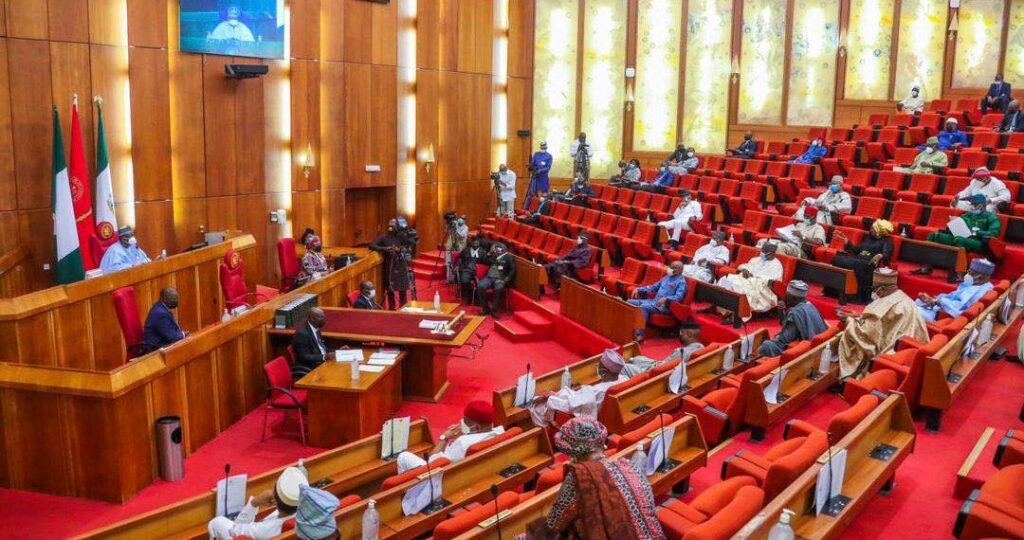
National House of Assembly
After spending three years in office since 2023, the unresolved problems by the Tinubu administration remain and the issues are; security crisis, economic crisis and youth unemployment. Despite efforts, violence from bandits and insurgents still plagues the north, while the rising cost of living due to fuel subsidy removal and inflation have left many Nigerians struggling. Healthcare access is also a problem with the mass exodus of medical workers abroad and the overall trust in institutions and government continuing to erode, leaving many Nigerians disillusioned. The ruling party at this juncture, needs to recognize that if they continue to fail in addressing these core issues; security, economic hardship and healthcare, they risk a total erosion of trust. Nigerians are increasingly disillusioned and if they don’t see any real solutions, the risk is that the opposition would not only gain ground, they might ignite a broader popular movement that pushes for real change.
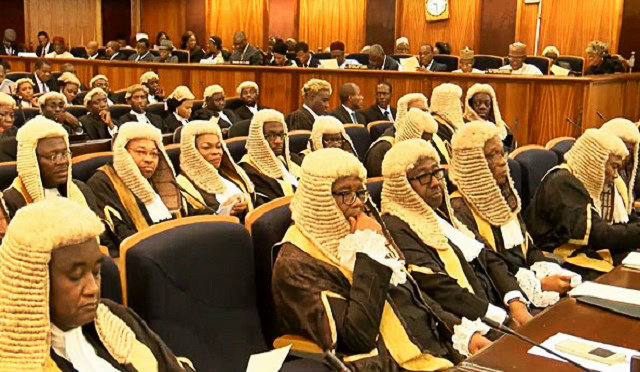
Judiciary
However, with the ruling party’s resistance to reforms by manipulating institutions like the National Assembly, the Judiciary, and INEC, citizens need to stay fully engaged through active mobilization, keep demanding transparency, and holding leaders accountable. By so doing, they can push back against attempts to suppress the democratic process. The people really have the power if they stay organized and remain vigilant. Moreover, to prevent the repeat of the hijack of power as experienced in 2023 in 2027, there is the urgent need to partner with the existing elections monitoring coalition like the Nigeria civil society situation room, leveraging digital tools on social media for youths’ mobilization and collaboration with women’s groups like the Nigeria Women Trust Fund.
Peter Obi
The excesses of the security agencies can be checkmated by strengthening oversight body, ensuring legal protection like constitutional rights against arbitrary arrests and engaging a civil initiative that monitors misconducts. Citizens can also use freedom of information tool and build community policing partnership to foster trust and accountability. As Nigerians stay engaged, they should also focus on long-term reforms. They should keep voting, demand for accountability and community resilience, so that even if there are setbacks, they are not completely left powerless, because the future really depends on collective actions.
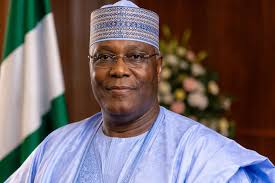
Atiku Abubakar
On a final note, Atiku Abubakar, your years of service are undeniable and have become part of Nigeria’s history, but the future of Nigeria now calls for new energy, fresh vision and unity. The nation is at a turning point, and by stepping aside, you would be remembered not for a final defeat, but for your greatest act of statesmanship, passing the baton and ensuring a united Southern leadership. Let this be your legacy of hope. Better to be remembered as a builder and king maker, than a spoiler and destroyer. God bless Nigeria.
“Where government just pushes forward despite public outcry, ignoring people’s needs and even suppressing dissent, that is not the break-down of rationale democracy, it is a risk of authoritarianism, which historically has led to civil instability, protracted protests, uprising and even the collapse of systems”
The innate ability to think as opposed to dependence on instinct, is what makes the difference between humans and animals. Animals predominantly live by instinct. Their behaviours are driven by immediate survival needs like seeking food, avoiding dangers without a conscious analysis. Humans on the other hand, have evolved to integrate reason, reflection and long-term planning. We just don’t react, we evaluate, predict, and choose based on abstract ideas and moral considerations. This capacity for conscious thought is what fundamentally differentiates us from animals. However, it not impossible or uncommon to have someone’s personality denigrated by equating his behavior to that of an animal. A situation like that occurs when one is driven by base impulses like anger, fear or raw desire which outsource control or reflection. Often extreme stress, trauma or the break-down of societal norms can push people into that kind of behavior. So, it is really a collapse of the rationale reflective side that we usually rely on. Furthermore, when a government acts purely out of fear, aggression or self-interest without reason, debate or ethical reflection, we might say it is behaving like an animal. Acting on raw power for survival. This often happens during like civil unrest, war time or after political collapses when rationale governance breaks down.
Animal in Zoo
Noteworthy is the fact that democracy hinges on rationale thinking because it relies on open debate, informed decision making and the idea that citizens can reason together to shape policy. So even though there is a motion and passion in politics, democracy gives a structured space for reflection, compromise and reasoned debate, keeping it on rationale thinking. The reversal to this rule of thumb often happens when rationale discourse breaks down, like when there is wide spread disinformation, when public debate is suppressed or when people stop trusting institutions. You might also see polarization where compromise collapses and emotions overtake reason. At that point democracy risks just becoming a facade. It is so when it appears to be a democracy on the surface, people might vote, there may be formal institutions like INEC, but if the underlying rationale processes are eroded, then it is just a show and not a true functioning democracy. That is why things like a free press, strong civic education and the engaged public are crucial, because they keep that rationale deliberation space alive even in tough times. It is really about that ongoing efforts to balance emotions and reason so that democracy stays more than just a system on paper but a living process including reflection and respect.
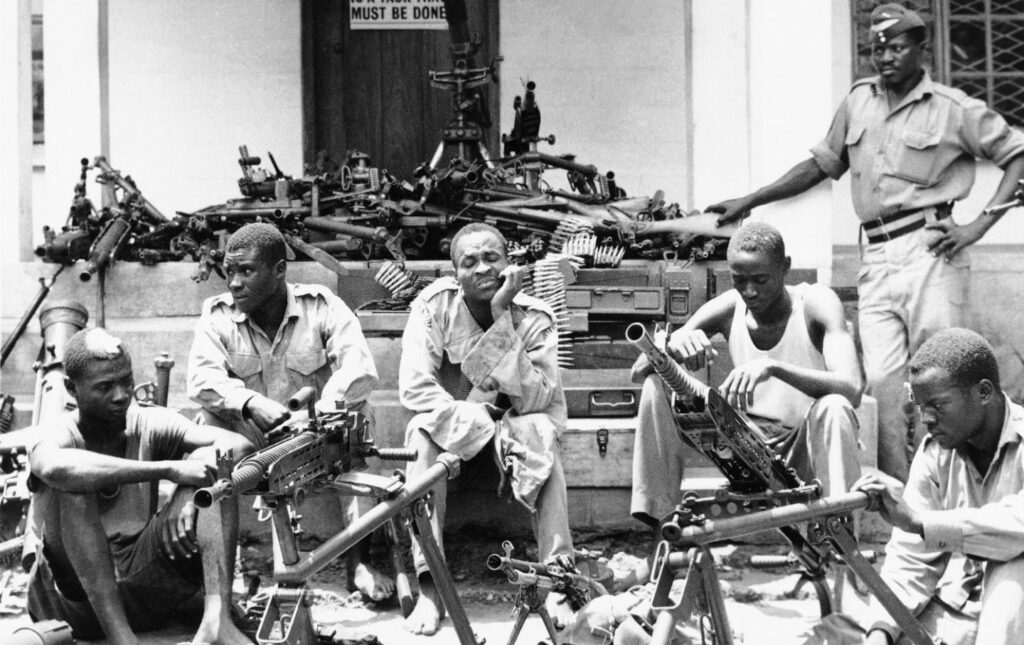
Biafran War in Nigeria
Where government just pushes forward despite public outcry, ignoring peoples needs and even suppressing dissent, that is not the break-down of rationale democracy, it is a risk of authoritarianism, which historically has led to civil instability, protracted protests, uprising and even the collapse of systems. Here we have a delicate balance to make, because once trust erodes, it is hard to rebuild. That is why democratic institutions have to stay flexible, responsive, and open to the peoples’ voices so they don’t tip over into that kind of rigidity. One of the famous sayings of Niccolò Machiavelli is worthy of reflecting on with a view to making a sense out of the volatile situation that Nigeria is currently in, and it goes this way, ‘There are two ways of contention. One by the law, the other by force. The first method is proper to man, the second to beast. But because the first is not frequently sufficient, it is necessary to have recourse to the second’. Nigeria is a country where might be always right, and that is why justice has been elusive to the common man but readily available to the rich man from among whom are the highest bidders.
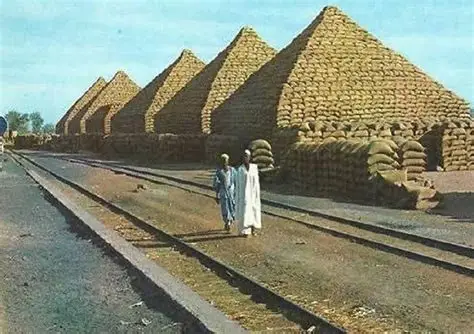
Groundnut pyramids. Kano, Nigeria.
At independence, Nigeria had a lot of natural strengths, huge natural resources, a large population and a diverse cultural base. Despite the natural endowment, there were some artificial factors such as ethnic tensions, lack of infrastructure, and political instability, which have held her back. Plus, the legacy of colonialism including artificial boundaries that created frequent frictions also, all those combined together, made governance pretty tough from the start. For instance, ethnic tensions began to show early during the early post-independence leading to the Biafran war. Political instability took root as frequent coups and the lack of infrastructure made basic developments like roads, education, healthcare really slows to progress, and of course corruption which took root, a kind of compounded everything making it even harder for reforms to stick. Unfortunately, diversity which ordinarily should have been an advantage as a source of strength, was not nurtured with a shared sense of national belonging, thereby making it a fault line exacerbated by economic inequality, lack of trust in institutions, and the inability of the state to provide security, instead of strength. The rise of insecurity threats showed how the failure to integrate and build trust has come back to hunt the nation.
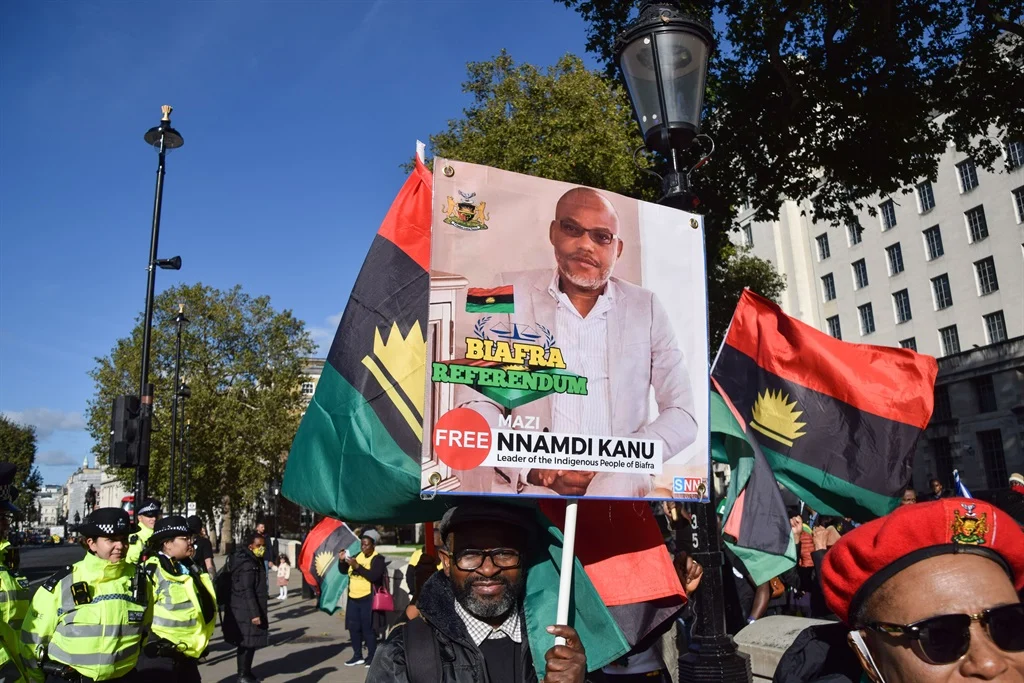
Biafran Separatist in Nigeria
Religion on its part, while a source of identity and strength, sometimes became a tool for division especially when political powers played on those differences. Education or the lack of it is huge. Without widespread quality education, a lot of young people did not have the skills and the opportunity to drive innovation and push the economy forward. Both factors therefore created a kind of stagnation at multiple levels of the society. Furthermore, marginalization deepened the divides. Certain ethnic or religious groups felt left out of power, resources and political representation and that sense of exclusion always fueled separatist movements, distrust in the government, and even the willingness to turn to violence and banditry, and so marginalization was like a powder cake under all these other factors. Realize that a lot of communities especially in the north central and the far north felt marginalized too, often because they did not see the same economic developments in their regions or they felt politically sidelined after independence. So, as the experience of the Igbos was prominent, a lot of the north also haboured deep frustration and that contributed to the religious and the regional tensions we experience today. How does Nigeria now fit in for description as a nation that wars with itself? That I believe is a fair description, in that Nigeria has always had those tensions between becoming a potential giant and being a clog of itself, so while there were incredible strengths, culturally, economically, and with human resources, internal strife has been a major impediment to the achievement of its full potentials, making it a nation that contends with itself while looking for a way of reconciling its differences. Nigeria had all the potentials to be a major power house, economically, politically, and culturally, but has been held back by the internal divisions, religious and economic from the becoming the giant it could be. The way forward hinges on strengthening institutions to be more inclusive, making government accountable, investing heavily on education and economic opportunities across all regions. If Nigeria can build a stronger and a more equitable foundation, then it might start to thrive and actually become the giant it was meant to be.
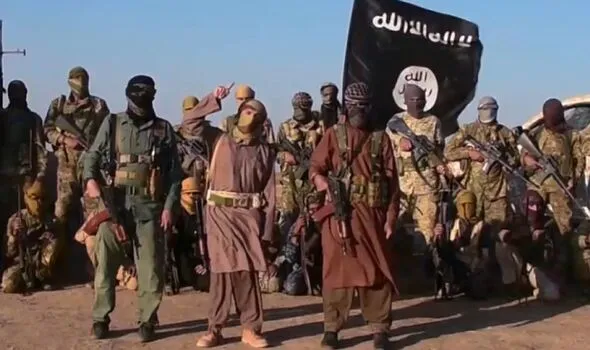
Boko Haram Terrorists
As Nigeria is today with all the obstacles confronting it as a developing nation, turning the ugly situation around will definitely require a visionary leader to drive progress. However, the question waiting for an honest answer is, who do all these problems prescribe as the long-awaited visionary leader to take over the mantle of leadership in 2027. Already, the incumbent President Bola Ahmed Tinubu has proved himself incapable of providing the kind of leadership that Nigeria truly needed to progress. What Nigeria urgently needs is RESTUCTURING and this prescribes a one term tenured leader to start with
“Public spirit which in 1789 has risen to rare height of patriotism and courage, was dying in people weary of revolution and war. Skeptical of every leader and cynical of its own hopes. Here was a situation that called not for politics, but for statesmanship. Not for leisurely democratic debates in spacious assemblies, but for dictatorship. A combination of large perspectives, objective thoughts, tireless labor, discerning tact and commanding will”. The condition prescribed Napoleon.
Nigerians are called to be objective in their choice of the next President of the country in 2027. They should be guided by the prescription of the condition of the country, not allowing emotions and sentiments to overtake the place of reason. May only the God Sent leader become the next President of Nigeria.
“Let us unite across faith, class, region to ensure that Nigeria’s future is not stolen from us. Imagine a Nigeria where leadership is accountable, where opportunities are not stolen by a few but shared by all. A nation where education is genuine and youths have a voice, and where justice prevails. That Nigeria is possible, but we have to choose it NOW and together”.
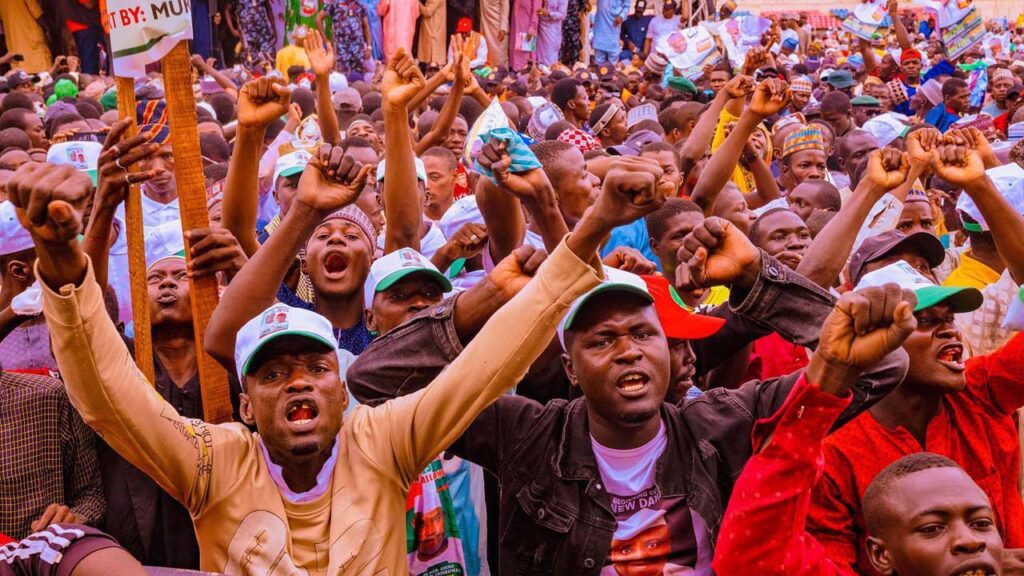
Nigeria currently stands on the edge of a precipice. Today across the country, citizens wake up with the daily reality of uncertainty, economic turmoil, political repression, and a crippling fear that their voices no longer matter. Under President Tinubu, what began as hope has now spiraled into frustration. Yet in this despair, a familiar voice called resilience rise. Across Nigeria despite uncertainty and frustration, ordinary citizens are finding ways to resist, through their courage, solidarity, and their quiet determined hope for a better future. Resistance you may wish to know is a collective intentional effort by ordinary people to push back against oppression. It often starts like small acts like a single protest, students’ gatherings and community meetings. Once it stays consistent, visible, and connecting across groups, using every tool, whether it is digital, cultural or direct action, until it gets to the moment it grows strong enough to create the real change. In the face of Nigeria’s long history of hardship and struggle, especially since 2015 when the All Progressive Congress Party (APC) took over power from the former President Goodluck Ebele Jonathan of the Peoples Democratic party (PDP), with the former President Late Mohammadu Buhari in the saddle and Bola Ahmed Tinubu as the National leader of the party, until he succeeded Buhari in 2023, each moment of struggle has carried the seed of something greater. Today we stand in a crucial point, a moment of suffering that can be transformed into a movement of unity. As Nigerians, we are called to rise beyond pain and build a future defined by resilience, hope and collective action.
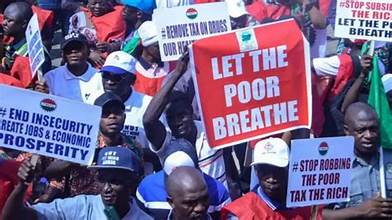
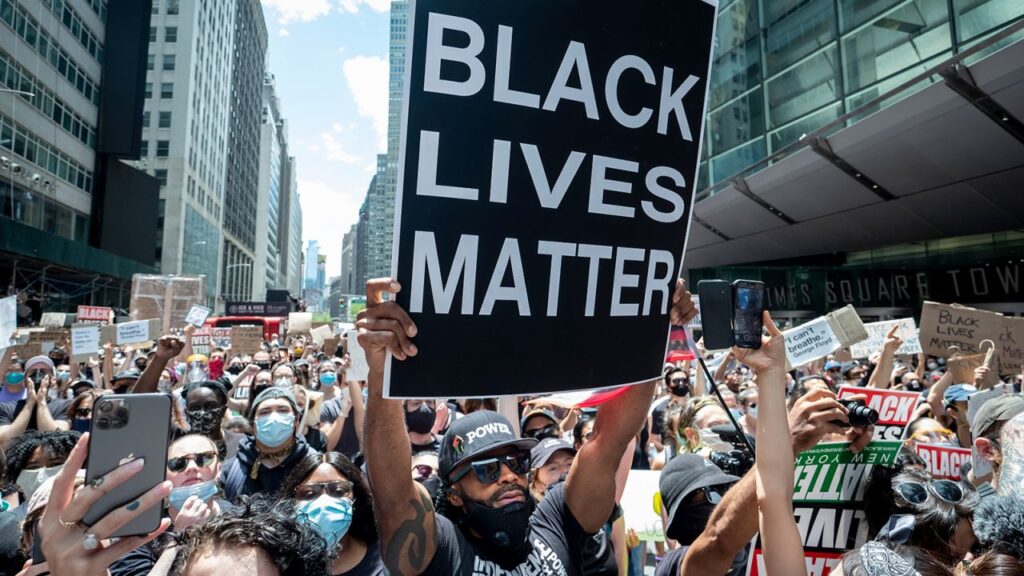
Protest against Hunger and Bad governance in Nigeria
In 1973, General Augusto Pinochet led a military coup that ousted a democratically elected president in Chile. Under his rule, the country saw brutal repression, thousands were arrested, disappeared or killed. Year after year of resistance, student’s movement, labour strikes, and international pressure, dictatorship crumbled and democracy was eventually restored. In the Philippines, Ferdinand Marcos ruled as a dictator for above two decades, and imposing a martial law in 1972. During that time, the regime was marked by widespread human rights abuses and corruption. In 1986 after a mass uprising, people powered revolution peaceful protests spanning weeks, he was forced to flee. Marcos was originally a civilian who was elected president in 1965. Overtime though, he seized more power and imposed martial law and became a dictator. So it was that shift from a civilian leader to authoritarian ruler that defined his regime. In Chile, Augustus was a military officer, and he led the coup in 1973 as a general. He ruled as a dictator using the military to entrench his regime. Protest began in pockets, at first with student’s groups and labour unions. Overtime, these protests grew, people organized into brands, spreading across neighbourhoods, and used international support. Key moment of the massive national strike and the defiance of the Artists, kept the movement alive. Eventually, the pressure became so great, that the regime began to slip leading to a referendum in 1988 where the people voted him out.
Jasmine Revolution
In Tunisia in late 2010, December to be precise, it so happened with Mohammed Bouazizi, a young street vendor man in his early 20s, who lived in a small city of Sidi Bouzid in Tunisia. He came from a humble background and every day he would set up a small stand on the street selling fruits and vegetables and he was the primary bread winner of his family, his mother and siblings. On that day in December 2010, a municipal officer confiscated his goods, claiming he didn’t have a permit. In that moment after being humiliated and feeling powerless and no one listened to him, he walked to a nearby square and set himself ablaze. That sparked mass protest and within weeks the movement which was later called the Jasmin Revolution toppled President Zine El Abidine, ending his 23 years dictatorship. From there Tunisia became the first Arab spring success, ushering in a new democratic system. With the examples of the successes recorded in the Philippines, Chile, Tunisia and South Africa, leading to the end of Apartheid, all of these show that when people stay committed and organized, they really can bring about massive change within a few years or as soon as the situation demands. Persistence grinds an iron beam into a needle.
In Nigeria, there are several active resistance movements. For example, the hashtag protest against bad governance and hunger erupted in May 2024, driven by young Nigerians frustrated with economic hardship and governments failures. The Nigeria Labour Congress is also playing a key role linking labour rights to broader demands for accountability. In Niger Delta, environmental justice groups are continuing decades of resistance against oil extraction. These movements though different, share a spirit of resilience and a help for change. To harness the energies from these movements, just like the civil rights movement in the United States or the resistance movement against Apartheid regime in South Africa found a unifying principle, in Nigeria it could be a shared focus on economic justice or youth empowerment. Something that affects everyone regardless of region or profession. Once we have that one unifying demand, which could be the security of lives and property, a fair government or true democracy, we can align our strategies, amplify each one’s voice and create a really sustained movement. Note that the role of the media in this equation is crucial and indispensable. They are to connect those dots. By consistently telling those stories, they build a bigger narrative, and people see that despite different causes , they are all fighting for something bigger, and that can be a catalyst for unity and a sustained action.
Student Union Activists in Nigeria
There is no gainsaying the fact that Nigeria is in a precarious situation as made possible by the directionless administration of Bola Ahmed Tinubu and his retrogressive party, APC. The most disappointing part of it all is the degree of the desecration of the Temple of Justice, the judiciary, an arm of government which ordinarily should be the last hope of the common man, but now the seller of justice to the highest bidders. In political cases, one predicts easily where the pendulum of justice swings especially when the ruling party officials are involved. That accounts for why it is extremely difficult if not impossible to practice true democracy in Nigeria.
It is important at this juncture to rethink Nigeria back to the path of rectitude, stability, and greatness. This positive development is possible by voting out of power Bola Ahmed Tinubu and his cohort in 2027. Nigerians are called upon to be circumspective especially regarding the 2027 elections and those that would be asking for our trust, especially the sitting president, Tinubu. Nigerians should look at the patterns, from his drug allegations in the United States, certificate scandals, to the fraudulent tactics he used to seize power in 2023. Nigerians also should not forget in a hurry, the case of the fake bishops used to garner support for his moslem-moslem ticket. These are not just personal failings, but a blueprint of deception. It is also concerning; how much damage has been done to the country’s democratic structures by the Tinubu administration. To this end, if we allow him another term, we risk losing the remaining progress made since 1999 which was when democracy returned at the commencement of the fourth republic. Let us unite across faith, class, region to ensure that Nigeria’s future is not stolen from us. Imagine a Nigeria where leadership is accountable, where opportunities are not stolen by a few but shared by all. A nation where education is genuine and youths have a voice, and where justice prevails. That Nigeria is possible, but we have to choose it NOW and together.
Labour Union Activists in Nigeria
View the whole world and with impartial eyes, consider and examine all that rise. Weigh well their actions and their treacherous ends. How greatness grows and by what steps ascends. What murders, treason, perjuries, deceits, how many fall to make one monster great?
“The good news is that Nigerians are not going to wait until after their mandate has been stolen before they react, not even with somebody like Tinubu, for once beaten, twice shy. If Nigerians could unseat military leaders and ousted their autocratic and draconian regimes, without the use of guns, taking out Tinubu, no matter the conspiracy and gang ups, is a cheap possibility”.
Originally, as a foundation, the principles of democracy are a derivation from the principles of the social contract which is a philosophical idea propounded by Rousseau and Lock. This has it that individuals agree to form a society and give up some freedom in exchange for protection and the common good. In a democracy, this means that people consent to be governed by laws in which they have a saying often by representation, and with structures such as a constitution, rule of law, branches of government; Executive, Legislature, and Judiciary, and where these work well and accordingly, the end results typically are political stability, protection of rights, equality under the law and active participation. In short, the social contract in a democracy, is that shared agreement that makes the collective self-governance possible.
Symbol of Democracy
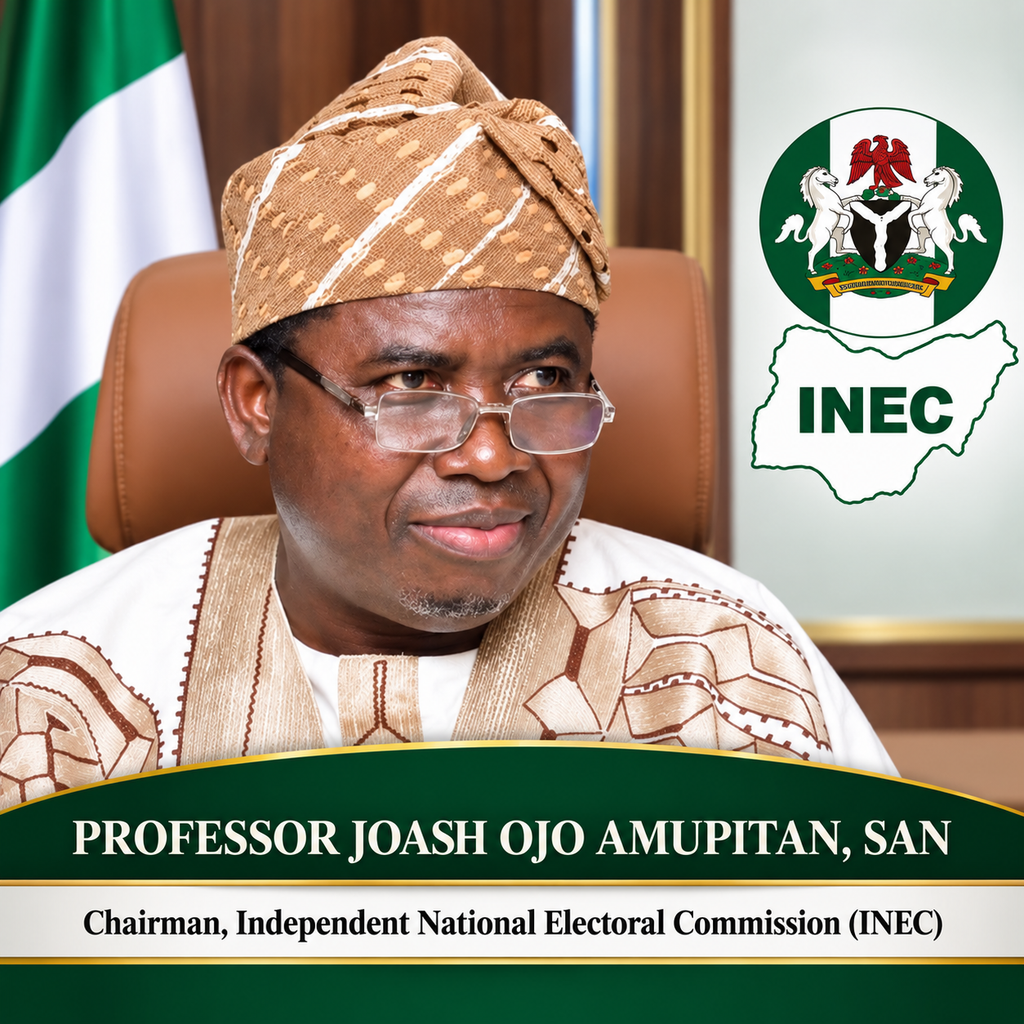
Unfortunately, the reality that most African countries that pretend to be in democracy are confronted with in terms of sufferings with poverty and insecurity at their peak, makes democracy unattractive and alienating. Rather than allow for active representation, participation and accountability, it has created a gap between the elected representatives, if there is anything to be so called, and the electorates. However, the key components of democracy are free and fair elections, the rule of law, protection of civil liberties like freedom of speech, political parallelism, and of course, the separation of powers. The separation of powers is crucial because it prevents any of such a branch like the Executive, Legislature or the Judiciary from becoming too dominant, it creates checks and balances and ensuring accountability and fairness. With the situation in Nigeria being a complete opposite of what the ideal situation would have been had the system not broken down, with both the Legislature and the Judiciary in the pocket of the Executive and the ruling APC government of President Bola Ahmed Tinubu, and leading to the concentration of powers in the Executive, what obtains is authoritarianism and the lack of accountability. To Nigerians, this means reduced civil liberties, economic inequalities, as well as insecurity, unrest and instability. There are no better times than now, for Nigerians to rise up against the troublers of Nigeria in the All Progressive Congress Party (APC) and the only President in the history of Nigeria, whose personal and professional identity remains unclear. The only President who also allegedly forged his diplomas and even the NYSC certificate. That indeed is the proud husband of a Pastor wife of the Redeemed Christian Church of God, (RCCG). These are shameless leaders without character or integrity, who should be shown the way out. Should Tinubu be the only Yoruba leader and candidate available to represent the region for the position of president, and with all his baggage, I would rather forbear or forfeit the slot in the name of patriotism and integrity. Who also is taking the newly appointed chairman of the Independent Electoral Commission (INEC), Professors Joash Amupitan seriously? Not sacking him by his appointor, Bola Tinubu is a ground for mistrusting the electoral umpire, especially with the discovery made in relation to his participation in partisan politics and his alignment with the ruling party before his appointment. The allegation which he denied, and an action which further complicates and compounds his problems.
Hunger and Bad governance protest in Nigeria
Several African leaders have undermined democracy with serious consequences. For example, Yowari Museveni of Uganda, overtime, made constitutional changes in Uganda. He removed the presidential age limit which allowed him to run for more terms, and he successfully stayed in office for decades. Similarly, Blaise Compaore in Burkina Faso also tried to extend his rule by amending their constitution, which ultimately sparked big protest that led to his ouster in 2014. Paul Biya has been in power since 1982 and he is one of the longest serving leaders in Africa, being in power for more than 40 years. He has been criticized for manipulating electoral laws to stay in office and leaving the country with weakened institutions and suppressed opposition.
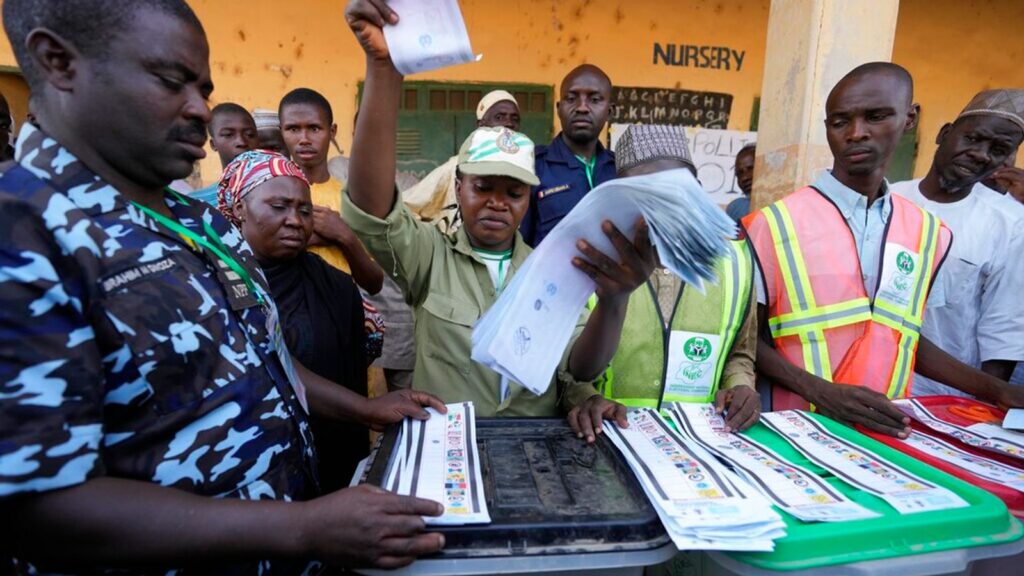
Traveling through the memory lane, recall that the elections that ushered in Bola Ahmed Tinubu in 2023, was marred by wide fraud allegations, with many calling it the most fraudulent elections in the history of the country, bringing it under international criticism and leading to the erosion of public trust. Note also that irregularities in voter’s registration and incessant voter’s intimidation, help both the local and international observers to reject the outcomes. For instance, in Lagos, many registered voters found their names missing, especially in the opposition strongholds. In Ikorodu, ballot boxes were reported stolen and counting of votes continued pass midnight without proper oversight. The local watchdogs and international observers like EU monitors, played it out how the lack of transparency and voters suppression tainted the outcome, leaving a deep distrust in the process. The violence in the elections was really pronounced. There were reports of clashes between political groups that tragically had some voters and bystanders dead. This coupled with the low turnout, President Tinubu entered office with historically minimum support, scoring just only 37 percent of the entire votes cast. This raised a serious question of legitimacy around his administration.
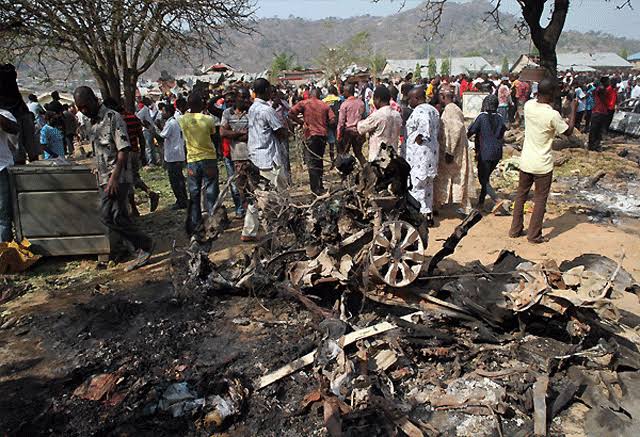
Insecurity problems in Nigeria
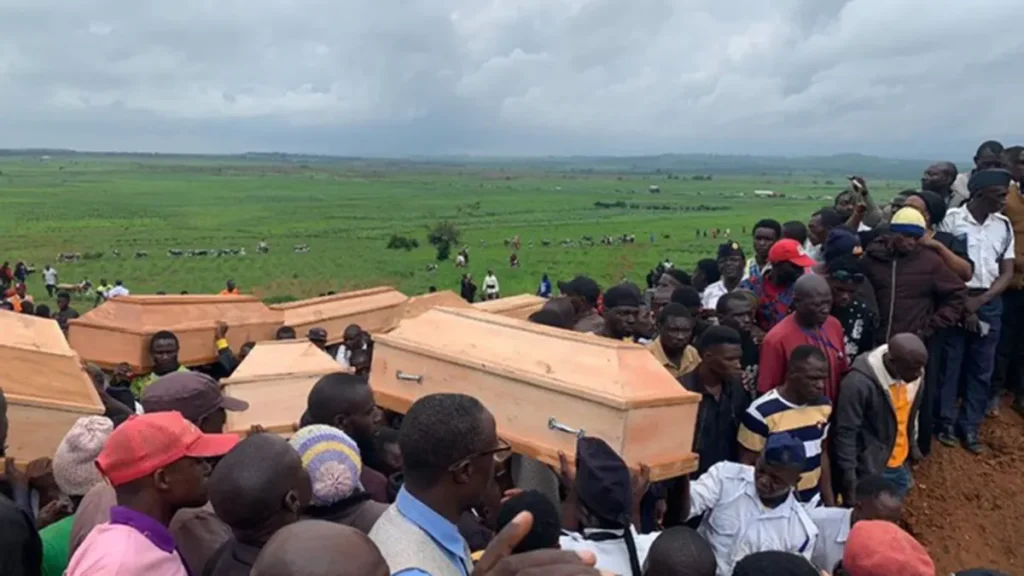
Since 2023 when President Bola Ahmed Tinubu assumed office amidst the illegitimacy problem of his administration, the insecurity problems rather than deescalate or abate, increased astronomically. We have seen the rise in banditry in the Northwest, increased attacks from militant groups like Boko Haram, and even in Urban areas, kidnapping spiked. However, in spite of promises of improved security, the situation deteriorated to the point that American troops had to be considered for deployment. It has really been a downward spiral; insecurity has worsened steadily overtime. Over the two years, since Bola Ahmed Tinubu took office, at least 10,217 Nigerians were killed by armed groups. In one report, 4654 deaths and 3,141 abductions were reported in violent conflicts, including banditry, terrorism and communal violence. The Nigerian government under Tinubu took a major step to address rising terrorism and banditry in 2025 by declaring a National Security emergency, added 20,000 police officers, and ramped up military operations in high risk areas. However, despite these efforts, violence continues to grow, with overstretched forces, intelligence gaps, and unresolved governance issues. Remember that, that the security of lives of the citizens and their welfare shall be the primary responsibility of any government, and that, no student who failed his major courses is allowed to be promoted to the next class or level in education.
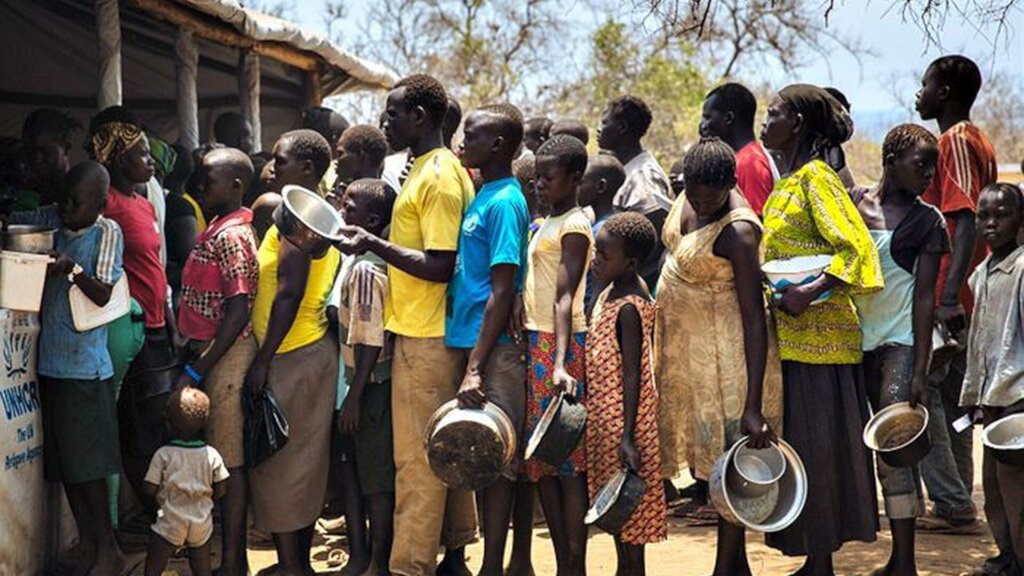
Economically, the situation is dire. As of March 2026, inflation was about 15.4 percent and food inflation was about 14.3 percent, keeping living cost high. The United Nations World Food program warned that by late 2025, about 35 million Nigerians were facing severe hunger especially in conflict affected areas like Borno, Adamawa, and Yobe. Despite some economic growth, rising food prices and shrinking aid have left millions still struggling with hunger. Moreover, between 2023 and 2025, Nigeria’s total public debt surged from about 144.7 trillion Naira at the end of 2023 to 159.3 trillion Naira by the end of 2025. Domestic debt grew the fastest, rising 67 percent over that period, while the debt to GDP ratio stayed around 52 to 53 percent. Economists were raising concerns about the rapid pace of borrowing, especially if more of that debt is owed domestically, because it puts a huge strain on the economy. The government’s ability to service these debts is becoming a real concern, especially with the stagnant economic growth and persistent inflation. This indeed is a pressing issue.
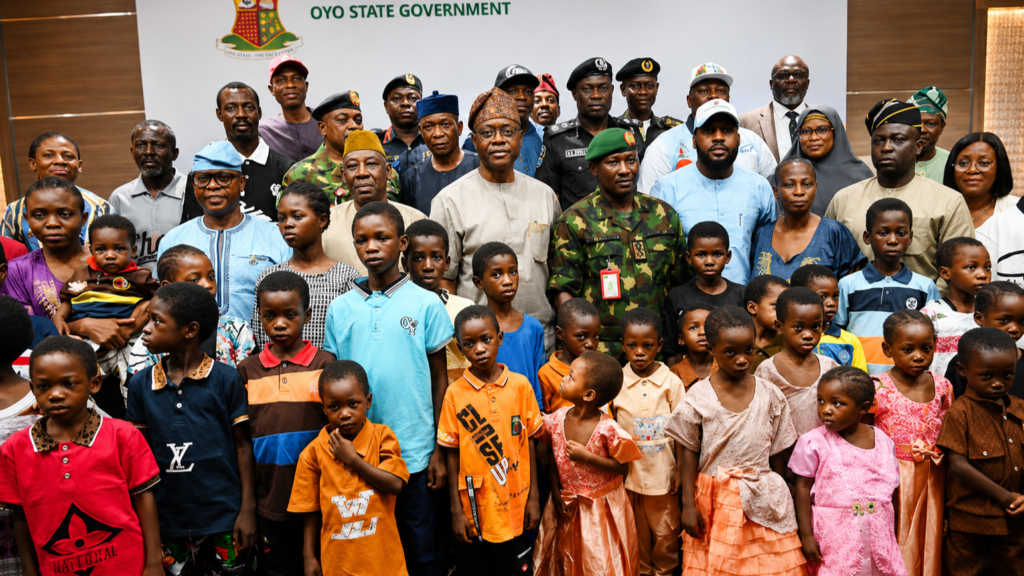
Nigerian opposition in a convention leading to Ibadan declaration of April 25th, 2026
Furthermore, after Nigeria removed the fuel subsidy in May 2023, it was expected to free up about 7.5 billion dollars annually. However, despite that potential windfall, public debt still soared, rising from about 87 trillion Naira in 2023 to over 150 trillion Naira by late 2025. In May 2025, the President even requested an additional 21.5 billion dollars in external borrowing. In short, fuel subsidy removal opened the fiscal space, but the savings haven’t yet been used effectively, and the government keeps borrowing due to rising cost and heavy debt service. In April 2026, Nigeria announced the plan to raise 700 billion Naira through domestic bonds with auction scheduled for April 2027. They also revised their total borrowing plan for 2026 upward to 2.20 trillion Naira, about 18 billion dollars. They also requested parliamentary approval for 559 million dollars being a syndicated loan from a German bank, supposedly for the construction of the Sokoto-Badagry super expressway. A project that Tinubu’s administration cannot even begin before it is ousted in 2027. In conclusion, despite the fuel subsidy removal on some initial expectations, the economy is really struggling, high inflation, rising debt and persistent hunger, all paint a really bleak picture. Remember the protest against hunger and bad governance of August 1 to 10 in 2024, where the security agencies of police, Army and the DSS used tear gas, life ammunition and mass arrest to quell or suppress the protest and with 26 fatalities according to Amnesty International. Minors were arrested and charged with terrorism and treason. They were kept in prison and malnourished. They got released after several weeks due to public outcry.
Under President Tinubu’s administration, the political space for the opposition has been narrowing. Instead of outright ban, the government has been using a more subtle tactics, coopting politicians, sowing internal divisions and applying legal pressure. There have been tighter media regulations and in one case a state of emergency was declared in Rivers State. While democratic structures remain, analysts warn that institutional safeguards are weakening. The implications of turning Nigeria into a one-party state will be dire both in the short and the long terms. A single party state can suppress political opposition which might bring short term stability as institutions are weakened or face a lot of fragmentation, but the down side tend to be really severe. You lose political pluralism which is crucial for accountability, and you risk stifling civil liberties, press freedom and even economic innovations, since diverse political voices often spark debate and new ideas. One party state can face backlash when too oppressive as the tendencies are there. Overall, the long-term implications can be very destabilizing. The same is the case of the mass defections from the opposition to the ruling party, especially by the state governors who were elected to offices on the platform of other political parties. This kind of consolidation raises a serious concern about the democratic process. Voters in those concerned States might feel completely disenfranchised because the people they chose are no longer representing them independently, and with intimidation or threat, you get a fear-based politics. So not only are there no accountability, but also a chilling effect on any dissent. In the long run, that erodes trust in institutions and could lead to unrest and even the breakdown of governance when people cannot just see ways forward. Therefore, planning to rig the 2027 elections by anybody of party, is not different from digging one’s grave and an ill wind that blows no one any good.
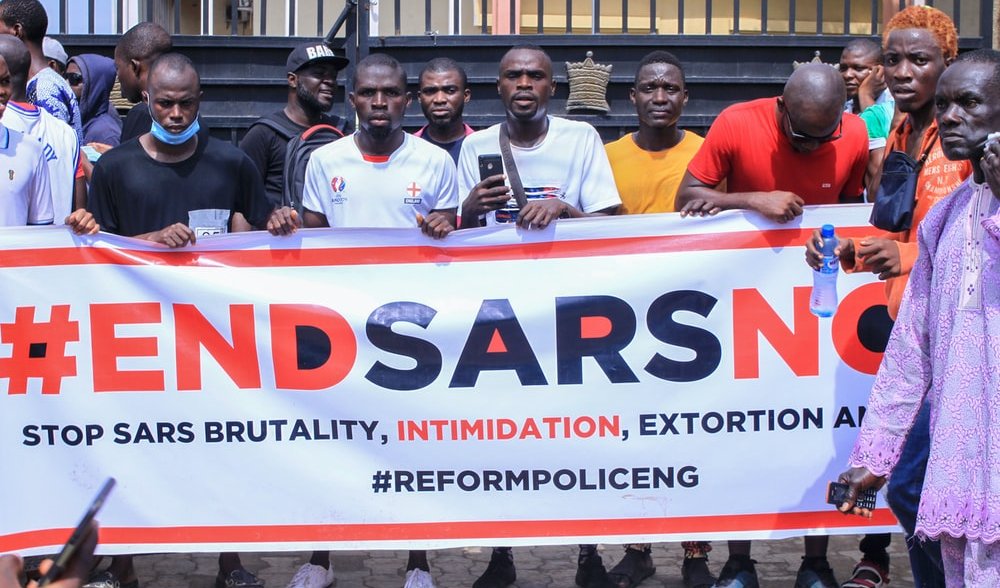
Protest against Military Regime in Nigeria
However, in Nigeria, Mike Ogini, a former INEC commissioner in Akwa Ibom, criticized the 2026 Electoral Act, calling it the worst in Nigeria’s history. He says it embedded a tragedy and warns that the laws could undermine Nigerians’ ability to choose their leaders and urged a reform before the 2027 elections. He also emphasized that INEC, the Judiciary, and security agencies, all need strengthening. The warning coming from a former INEC commissioner who has a deep insight and perspective in how election run, so, when he calls something a tragedy, or worst ever, it carries weight, and signals that the flaws he sees can seriously undermine public trust in the fairness of the electoral process.
This indeed is a defining moment for Nigerians, and how we define it goes a long way in determining the history we get for the country. Under the watch of Bola Tinubu and the ruling party APC, the country has degenerated into what makes it fit in for description as the saddest episode in the history of Nigeria. Remember this lesson, “History does not teach fatalism. There are moments when the will of a handful of free men breaks through determinism and opens up new roads. People get the history they deserve”-Charles De Gaulle
Now that it is extremely difficult if not impossible for Tinubu to shift his fortunes and political future, due to factors such as economic stagnation, rising debts, escalating insecurity and shrinking political freedom, before the 2027 elections, any attempts to want to rig the elections comes with severe consequences. He will certainly spark up public distrust and unrest; international observers and institutions will step in possibly with sanctions or diplomatic isolations. Domestically, he would feel a broader erosion of democratic norms with events that potentially could lead to anarchy. Such an attempt would be destabilizing and risky all around. The good news is that Nigerians are not going to wait until after their mandate has been stolen before they react, not even with somebody like Tinubu, for once beaten, twice shy. If Nigerians could unseat military leaders and ousted their autocratic and draconian regimes, without the use of guns, taking out Tinubu, no matter the conspiracy and gang ups, is a cheap possibility. All we need is to sustain the momentum by speaking to at least one person per day on what a new Nigeria means and how it looks but without Tinubu in the bigger picture of it.
Recently, Trump has increasingly been framing military actions in religious terms like calling the rescue in Iran an Easter miracle, and the bombing of an area in Sokoto, Nigeria, on Christmas day as a Christmas gift, forgetting that in Nigeria, both Muslims and Christians have co-existed together for centuries in peace and harmony, and it is too late now for anyone to come in, in the guise of offering military assistance to further divide the people along religious lines, and invoking spiritual battles.
The pope is one of the most respected religious figures. He is the leader of the Catholic church and has a huge global community. He also often commands moral authority especially on issues of justice, poverty, and Human Rights. However, while he does not have a political office, he does have a powerful moral voice, and historically, Pope has spoken out against political leaders, including in ways that might directly challenge them. Certainly, he does have that moral sway.
The relationship between Donald Trump and Pope Leo the 14th, started to deteriorate even before Leo’s election in May 2025.When Leo, then Cardinal Robert Prevost had already criticized Trump’s immigration and domestic policies. The relationship turned openly sour in early 2026, especially in March and April, when Pope Leo called for peace in Iran conflict, and Trump responded with personal attack, labeling Leo as weak on crime and poor in foreign policy. It may interest you to note that, the election of Leo the 14Tth was historically significant, as he is the first American born Pope, marking a big shift for the Catholic Church globally. His election built on the reformist spirit of Pope Francis, addressing issues around inclusion in global mission.
The Pope in Holy Mass
The Pope in his recent Palm Sunday address, declared that God does not bless war and rejected using conflict in his name. This was perceived as a direct critique of Trump’s military rhetoric especially around Iran. In response, Trump criticized the Pope on social media, calling him, weak on crime and foreign policy, accusing him of meddling in US politics. This clash highlights the rising tension between the Vatican’s moral authority and US governments policies. This rare public rift can reshape the US catholic politics, and moral scrutiny of US military actions. It is rare to see a global religious leader like the Pope directly clash with the US politician. This kind of public rift can really shape how catholic community engages with US politics, and how military actions get morally scrutinized. Is it a good idea to have a strong moral voice like that of the Pope to speak truth to power? That is a tricky one, because on one hand, it is important for moral voices to speak up, especially about war, but on the other hand, it might make some people feel like is an over reaching to political or national affairs. However, in recent actions, President Trump had started using religious language to justify military actions, saying things as God is on our side, and framing events as spiritual battles. The shift came as he moved away from purely strategic justifications and the Evangelical leaders amplified these framings. The problem is that when war is cast as a divine mission, it blurs the line between faith and politics, raising serious ethical concerns. The approach of Trump is very controversial because it risks mixing faith with political and military policy, and the implications can be very significant, especially when it comes to how people perceive the moral foundation of those words. Recently, Trump has increasingly been framing military actions in religious terms like calling the rescue in Iran an Easter miracle, and the bombing of an area in Sokoto, Nigeria, on Christmas day as a Christmas gift, forgetting that in Nigeria, both Muslims and Christians have co-existed together for centuries in peace and harmony, and it is too late now for anyone to come in, in the guise of offering military assistance to further divide the people along religious lines, and invoking spiritual battles. This has led to a change in military culture, especially, that of neutrality of religion, with the pentagon even hosting Christian services. The concern is the risk of undermining the separation of Church and States may affect internal cohesion and the global perception of the US policies. Trump’s increasing use of religious language is reshaping US politics, military culture and global perception. Politically, it energizes its Evangelical base at home, but risks alienating some other religious leaders, especially after his controversial AI Christlike image post. In the military, his framing is changing troop culture and also sparks complaint over undermining US military culture of religious neutrality. Globally, this approach is eroding the global perception of the US as a secular democracy.
Israel
President Donald Trump you may wish to know, was born a Presbyterian, but who in 2020 identifies as a non-denominational Christian. Meanwhile, the American Evangelicals are a broad group of protestants who emphasize being born again, biblical authority, and active faith. They make up about 23 to 24percent of the US adults, and have been a powerful political block, especially since it aligned with the Republican party since the 1980s. They continued to influence social issues, foreign policy, and voter turnouts. Generally, the Evangelicals tend to be more skeptical of the Pope, because they place a lot of emphasis on direct personal faith, and often have concerns about catholic hierarchy or traditions. That said, individual’s attitudes vary, some Evangelicals do respect the Pope, especially if he speaks on moral or social issues that they care about.
Iran
A lot of evangelicals have been instrumental is shaping Trump’s foreign policy decisions, especially around Israel. Many evangelicals strongly support the close US Israel relationship, and Trump aligns with that. For example, by moving Israel’s capital to Jerusalem. So, in that way, their support gave him a pretty strong base on certain international stances. The Evangelicals have played a significant role in shaping Trump’s approach to Iran. Some evangelical leaders see the US Iran conflict as part of biblical prophecy, framing it a spiritual battle of good versus evil. As religious framings exemplify Trump’s US policies, particularly in taking a strong aggressive stance toward Iran, often linked to an evangelical bases support for Israel. For many American evangelicals, US Israel alliance is tied to theology, with religious language often shaping policy. However, in the Middle East, this creates a perception of US bias, undermining diplomatic credibility. While all support for Israel is from among senior groups, younger Americans and Arab nations increasingly view this religiously framed ties with skepticism. In otherwords, younger American Jews as well as more secular or progressive groups don’t necessarily see US support for Israel as a religious or biblical duty. Instead, they are more likely to focus on human rights, diplomacy and fairness. It is interesting to note that, they are more cautious about religious rhetoric influencing US policy toward Israel. They are also more cautious about mixing religion with foreign policy. The Bible, around which all this controversy revolves, you may wish to know, only makes wise, according to the second book of Timothy chapter 3 and verse 15, and not fools. However, how do you differentiate between a terrorist who carries out his act on ideology, to the extent that killing in the name of religion, entitles one to benefits in heaven, and a born-again evangelical Christian who also finds justifications for instigating war and destroying peoples’ precious lives in theology? I think, that the sin of the latter is more. Remember that the Bible states categorically, that if you were blind, you would have sin. But because you say you see, your sin remains (John 9:40-41). Please, understand this, and understand it very well. There are no justifications whatsoever for war anywhere in the Bible. Except that which God Himself initiates, and in such wars where God fights the battle Himself, no single soul gets lost, let alone aircraft. Moreover, when you recall how the hosts of Israel passed through the Red Sea as if on a dry land, and with no single causality of any sort. With God on your side in the battles of life, you cannot win and lose at the same time. The same Egypt from where the children of Israel were rescued, was the same place where the boy Jesus and his parents fled to and used as a hideout from King Herod. Who told you that the worst terrorist today cannot be born-again, and make heaven? Who told you also that if Iran cannot acquire nuclear weapons in the next 20 years, it won’t be able forever? No man is all wise, omnipotent, and omniscience, and To the American evangelicals, the prophesies of the end times are not only limited to war-faring, the gospel of the kingdom must be preached and heard all over the world, I mean, even to the uttermost parts of the Earth.
The American Evangelicals
To Mr. President, some of the benefits of a change of approach, especially, from framing military moves in war in religious language include; it preserves the separation of the Church and state which keeps governance more impartial, it can also help brooding your appeal beyond your base, stabilize military culture and keep the US view as a secular and inclusive democracy globally. As we might have known, the Arab world tends to be suspicious when the US ties religious rhetoric’s to policy and often see it as a tool for geo political goals especially in the Middle East. At the same time, some in the region have mixed feelings about US secularism, sometimes seeing it as godless, and sometimes as bias against certain faith.
Overall, if the US stays truly neutral, it can build credibility by being even handed and focusing on universal principles.
God blesses the peace makers, and does not bless wars, as Pope Leo the 14th rightly puts it for the records.
By reviving Tolu Schools, he symbolically bridged decades of delay, showing that government can respect history while pushing for modern future.
Thursday, April 9th, 2026, marked a historic milestone as Tolu Schools Complex was officially commissioned in Lagos, Nigeria. Originally, founded in 1981 by the visionary Lateef Kayode Jakande, the first executive governor of Lagos state. That expanse of complex now spans around 11 hectares in the Ajegunle district. Hosting 36 schools within, Tolu schools complex serves over 20,000 students, embodying a legacy of excellence in education. The complex features modern classrooms, parks, sporting facilities like football pitch and courts, as well as specialized ICT hub, science labs, and vocational workshops. There is also a well-equipped fire service station. It was designed to be a large centralized educational hub in a densely populated area.
The Ajegunle kingdom, often known as the historic community is located in Lagos Nigeria, and it has deep root in the region’s ethnic and cultural history, often associated with the Awori people and other sub-Yoruba groups. Overtime, Ajegunle had evolved from a small fishing town into a densely populated urban area, known for its vibrant culture, music scenes especially in the realm of Afro beats and its resilience. Despite being known for its overcrowding, it is a place rich in innovation, entrepreneurship and community spirit. Ajegunle is such a microcosm of Nigeria. Despite its vibrancy, it faces significant challenges, including over crowding and the lack of basic infrastructure like consistent water, sanitation and stable electricity. Youth unemployment is also a major concern and crime rate can be a challenge due to economic pressures. However, the community is also known for strong solidarity in spirit with many grassroot organizations and local leaders working to drive change.
Governor Babajide Olusola Sanwo-Olu
Now that a clear picture has been painted about the host community to the Tolu Schools complex, it becomes necessary therefore, to dive into the symbolism of the gigantic project, and possibly also, interrogate those factors responsible for the abandonment of the Tolu school project for decades after its commencement in 1981 by the Lagos state government, under the watch of the visionary Lateef Kayode Jakande as part of his mass education initiative. Recall that the land that houses the Tolu schools complex, was actually reclaimed from the Lagos lagoon area. So, was once a marshy to undeveloped part of the city, and the government filled and levelled it to create space for the school and other development projects in the area. The Tolu schools complex are really symbolic, for they represent a beacon of hope, education, and opportunity in a place that faced systemic neglect. Tolu schools gave many children from Ajegunle who otherwise might not have had access, a social mobility. In that sense, they became a cornerstone of educational empowerment and a symbol of hope for generations in the community. Worthy of note is that, the delay in completing the Tolu schools project was due to several factors.
The project sitting on about 11.7 hectares with 36 schools was ambitious in scope. After starting under Lateef Kayode Jakande, in 1981, progress stalled for decades due to funding gaps, shifting priorities, and the complex nature of the environment. Recall also, that after Jakande left, between the return to democracy in 1999 and now, in 2026,3 governors had governed Lagos before Mr. Babajide Olusola Sanwo-Olu came on board, and during whose time the project was completed and commissioned in 2026. They were Mr. Bola Ahmed Tinubu, 1999 to 2007, Barrister Raji Fashola, and Akinwunmi Ambode. These passed through Lagos, prioritizing the minor and neglecting the major in the order of priority. The absence of Mr. President Bola Tinubu physically at the unveiling of a project of such unparalleled magnitude and unprecedented in value and nature, was premeditated, and an eye saw. It was also, a political calculation and not surprising, for how could he have been able to withstand the daring and the no nonsense Lagos crowd, especially those who refused him their votes in the 2023 presidential elections, and who had on other occasions, sang for him the popular song of, “We Are Hungry”. He knew very well that had he shown up at the event, he would have had himself prophesied to about his looming waterloo in 2027, as well as have a song composed for him, praising and placing Governor Sanwo-Olu’s achievements over his, like the case of David and Saul in the Bible.
Lagos State
Furthermore, with the completion and commissioning of the Tolu Schools Complex by Mr. governor, Babajide Olushola Sanwo-Olu within his second term, what stands out about him is his deliberate focus on continuity and legacy. He did not build infrastructure for self-aggrandizement and ego, rather, he tied it to a broader vision of urban renewal and inclusion. By reviving Tolu Schools, he symbolically bridged decades of delay, showing that government can respect history while pushing for modern future. Looking for and needing a clarification on the distinction between knowledge and wisdom, contribution and commitment, and belief and faith? Travel no further, here is the wisdom that works, and which makes faith without works dead. Think also of the eggs and the bacon. The chicken makes the contribution, while the pig makes the commitment. Similarly, just as one can be rich and not blessed, one can also believe and not have faith. Faith is not believing, but acting what you believe. It follows therefore, that, as it is possible to believe and not have faith, in the same vein, no one can have faith, and not believe. Moreover, Governor Sanwo-Olu’s rear combination of acknowledging past issues while being bold enough to reprioritize long term investments, that sets him apart. So, in that way, he is not just a successor of the previous leadership, he is actively redefining what it means to govern in Lagos State.
Ajegunle, Lagos State
The benefits of education cannot be overemphasized and are pivotal to any meaningful developments. Education is the backbone of nation building. It shapes citizens, empowers them with skills, drives innovation, and create a more equitable society. It is a fundamental investment for any nation for on time success. However, prioritizing education, making a selection from a scale of 1 to 10, and with 10 being the most desirable. Normally, education should be on a 10, in a technological driven nation, because innovation, competitiveness, and even sustainability, all depend on the resolve for rethinking education. For instance, education, be it at the primary, secondary or tertiary level, builds the foundation for knowledgeable and skilled workforce, including economic growth in innovations and long-term national progress. The benefits of the Tolu School Complex also, especially to the community include, the school provides assessable quality education, keeping the kids engaged, and giving them a real sense of purpose. For Lagos state, it means, a stronger talents pipeline, more skilled citizens ready to contribute. To the nation, it is a building block for long term innovation, economic growth and overall national resilience. Socially, a clustered school setup like the Tolu schools complex, provides a really vibrant social environment where students from different background interact, build networks, and thereby fostering a sense of community. However, in terms of security, having a clustered can concentrate resources, better monitoring, safer facility, and it is a more structured environment for everyone. Specifically, in the Tolu schools complex and being a clustered setup, security benefits come from shared infrastructure, such as centralized security personnel, monitoring entry and exit points, using even tech like CCTV and biometric assess. Because many schools are clustered together, it is easier to coordinate a social response. Interestingly, the Tolu Schools Complex model of a cluster model can be a game changer especially in the parts of the country that are more vulnerable and with a high rate of school abductions. The model provides a safer environment with less vulnerability, and giving students and parents more confidence in their safety.
Tolu Schools Complex
On a final note, and if education is the best legacy as many believed, therefore, the actions and inactions of Governor Sanwo-Olu’s predecessors especially in matters of educational developments, only speak to one thing, which is the lack of compassion and empathy, especially for the down-trodden in our society, and the more reason why the country Nigeria in the hand of one of them as President Tinubu, is at the brink of collapse. No one can give what he does not have, and what one does off the job, is a determiner of what he does on the job.
Lateef Kayode Jakande
The preservation and sustainability of the Tolu Schools is critical, occupying an important place just as its foundation. To preserve this legacy and maximize the benefits, the government needs to ensure consistent funding, making sure the school is part of budget allocation, providing infrastructure support and policy backing. The community on the other hand, needs to stay engaged, regularly supporting the school, volunteering, and also holding leadership accountable. It can really be enduring if they work together. Maintaining high quality teachers is crucial and to this end, the government and school leadership need to invest in regular training, professional development, and incentives to keep teachers motivated, and the community can also play a role. By recognizing and valuing the teachers, you create a culture that really supports the sustenance of quality education and for a long time. According to Epictetus, “be careful to leave your sons well informed than rich, for the hopes of the informed are better than the wealth of the ignorant”.
However, as a safeguard, African leaders as a matter of necessity and urgency, should focus on strengthening regional institutions like the African Union (AU), so they can set terms for cooperation, build stronger local governance, diversify economic partners, and stay vigilant about trade and aid agreements, ensuring that they prioritize sovereignty and long-term developments over short-term gains.
On March 25, 2026, a historic resolution was passed by the United Nations General Assembly, officially condemning slavery as the gravest offense against humanity. This landmark declaration serves as a powerful reminder of the enduring legacies of the impact of slavery and the ongoing need for justice, reconciliation and remembrance worldwide. The vote was 123 in favour with America, Israel and Argentina voting against, and 52 countries abstaining. This was significant, because it was the first time slave trade was legally framed as a crime against humanity. One important lesson to learn from history, is that history does not die, and that no matter how long the night keeps, dawn will break, and the abandoned rag under your cupboard, may be useful on a rainy day. The question that agitates the mind is how did humans get to that point of dehumanizing fellow humans, turning them into mere commodities for sale. Even though the period when the heinous crime was committed was described as the Dark Age, was that suggestive of total ignorance of God or were there no any noticeable stronger force, or were there no sky, sun, moon, seas and all the powerful works of nature that naturally command the attention of man? It is heartbreaking to note that the driving force into slave trade was rooted in dehumanization and economic greed. Slave traders and colonial powers saw people as commodities and objects to be exploited for labour especially in the Americas, and that mindset was really enforced by racial ideologies that justified them as achievement. At that time, the motivation for slave trade was both financial and moral corruption.
Slave Trade Experiment
The Trans-Atlantic Slave trade lasted for about 4 centuries, beginning from the mid 1500 continuing into the 1860s. So, it had been roughly for 360 to 400 years with the peak in the 1700s and in the early 1800. Although, the legal ban started in the 1800, illegal trading continued until the 1860s. There is no gainsaying the fact that, describing the Trans-Atlantic slave trade as the gravest crime against humanity, is apt, especially because of its shared scale and shared brutality. Millions of people were uprooted, dehumanized and treated as property. Families were torn apart, cultures erased, and the psychological trauma is carried through generations. Suffice to say also, that the trade wasn’t just a commercial enterprise, it was a systematic extermination of dignity and humanity. Wait a minute, is it not the same pattern of systematic extermination of race, dignity and humanity that the African countries especially Nigeria are witnessing, in the forms of terrorism and banditry? Why are the African leaders not putting the blames, especially about the seemingly intractable insecurity problems, at the appropriate place, which is the doorstep of their former slave and colonial masters. Since I was told that the devil rebelled against God and was cast down to the earth, I have not been told anything different that alludes to his repentance. When we talk about the idea of the deradicalization of terrorist, kudos to some African countries that are trying the experiment even though it is bad and has not yielded any positive results. How much of the understanding of the Bible they brought to assuage us with, have they in themselves? Whereas, that was the greatest reparation that man can ever get anywhere in the land of the living. They may not think of it as such a big deal, other than a bait. Hence, they gave it all and lost it all. This accounts for why you cannot find a Christian terrorist in Nigeria. However, majority of them from the Christian countries, being one of the nine (9) countries with nuclear capabilities are also super terrorists. To this end, now they need it, knowledge about the fear of God, which is the beginning of wisdom, more than we do. The wickedness of man to man is unquantifiable. Moreover, since it is impossible to build something on nothing, it follows therefore, that our cherished democracy which is a system of government copied from the former colonial and slave masters, was built on the legacies of slave trade, and if that be the case, what should be expected, and what can be done after the foundation has been destroyed? Remember also, that it is not falling into water that drowns, but lying in it. Democracy as practiced on the legacies of slavery, with weak institutions and serious security challenges, is a cheap gateway for the modern colonial masters to come in and further infest the ground with insecurity. Often, super powers promote democratic ideals as a soft power, framing themselves as the champions of freedom.
Slave Trade Experiment
Also, in practice, they sometimes use democratic language to push for strategic interests like securing resources, maintaining political allies. So, while democracy is the rhetoric, the underlying goals can still be about influence and control. However, as a safeguard, African leaders as a matter of necessity and urgency, should focus on strengthening regional institutions like the African Union (AU), so they can set terms for cooperation, build stronger local governance, diversify economic partners, and stay vigilant about trade and aid agreements, ensuring that they prioritize sovereignty and long-term developments over short-term gains. This brings to fore the question of whether if one’s head is to break, better to break in one’s hat or others. Fellow citizens of the world, Africans, and Nigerians, this is food for thought. It is there in the political philosophy of the framers of the United States of American constitution, who in the words of James Madison famous federalist No. 51, “organize the government in which ambition must be made to counteract ambition. Or, if men were angels, no government would be necessary”. Augustine in trying to make a comparison between the city of God and the city of man, in the city of man whose characteristics are a complete opposite of the city of God, he aims to show that in the city of man all human relations are ultimately relations of power; “because I do it with a tiny craft I am called the pirate, because you have a mighty Navy you are called an Emperor”. From the above analysis, Nigerians may now review the most recent visit of president Bola Ahmed Tinubu to the United Kingdom and score him accordingly.
Slave Trade Experiment
To all well-meaning Nigerians, both at home and abroad, including the vibrant Civil Society Organizations, Labour Unions, Professional bodies, Great Nigerian students and all well-wishers, all shall rise up to the occasion and do all that is humanly possible, and within the ambits of the law to stop the second term ambition of Bola Tinubu for President in 2027, to free Nigeria from the shackles of Neo Colonialism.
President Bola Ahmed Tinubu State visit to United Kingdom
In conclusion, this important question is for you and I to ponder on; “To what extent am I and others motivated by an urge to dominate, to impose our will to subjugate others?” A borrower is forever a slave to the lender.
One important thing for the diasporans to take to heart is that, allowing any elections to take place in Nigeria soonest or in 2027 without addressing the fundamental problems of restructuring the country Nigeria and jettisoning the faulty 1999 constitution, will amount to a bunch of ploys, which as a retrogressive political tactics, has an end. Why wait for an elusive change, when we can make a realistic one happen and as soon as possible.
Home is home, no matter what or the situations. It is interesting to note that America adopted homeland, Russia chose motherland, and Germany fatherland. However, home is sweet only when there is hope. Take cognizance of the fact that there is hope only when there is life. To this end therefore, and in accordance with a popular Yoruba dictum, “when you see a man who on waking up in the morning, takes to his heels, if nothing is chasing him, he must be in pursuit of something”. With words we govern men said Benjamin Disraeli, to which we have a corollary. By Proverbs we enliven copy, adages never age. It is worthy of mention that, the Diasporans are a group of people who have been dispersed from their original homeland to other parts of the world. Often due to cogent reasons such as cogent immigration concerns, including reunion with families, conflicts and economic opportunities. It can create a very strong transitional identities and connections. From the reports of the incessant incidents of boat accidents on the Mediterranean Sea, with fatality involving a high number of Nigerians as well as other illegal migrants from other African countries, is a pointer to the possibility that only a small fraction of the number of immigrants from Nigeria, left the country leaving behind rosy or better life. Just trying to drive home a point on why the Nigerian diaspora should have a say in the affairs of their country, especially by being able to exercise their voting rights from anywhere abroad. Otherwise, the government of the homeland is seeing and using them as money spinning machine. By extension, they are also being considered as fools and used in a hunting game, to help comb a part of the forest for their wise counterparts who are gun down the approaching animals.
Nigerian in Diaspora United Kingdom
The most recent advocacy work of the chairperson of the Nigerians in Diaspora Commission, Abike Dabiri-Erewa, canvassing for increase in the economic participation of the Nigerian Diaspora, is an allusion to her insensitivity to the plight of Nigerians, careless about their predicament as long as their remittances are ensured. Note also, that the All Progressive Congress Party (APC) has been in power since 2015, with late Muhammadu Buhari’s 8 years tenure with the current president Bola Ahmed Tinubu as the National leader of APC. The leaders who could not achieve the diaspora voting in about 10 years should not be taken seriously. For instance, a suggested estimate has it that in the United States, there are about 460,000 to 500,000 Nigerian born resident. When you include the US born descendant, the total Nigerian add on community is about 700,000 to 850,000. In the United Kingdom, around 270,000 people were born in Nigeria with broader estimate of Nigeria Diaspora ranging from about 300,000 to 500,000 depending on how the group is defined.
Abike Dabiri-Erewa, the Chairperson f the Nigerians in Diaspora
On remittances which constitute the backbone of the economy of the country, there is no specific data isolating the remittances from the United States to Nigeria in 2026, however in February 2026, total monthly diaspora remittances average around 600million USD, with a goal of reaching1 billion dollars per month. In 2025, total remittance reached about 25 billion dollars. The total remittance from the UK to Nigeria was about 23 billion dollars and in 2024, the UK quarterly remittances was roughly about 2.04 billion pounds. These remittances in themselves are monumental investments. It is interesting to note with dismay that, all the trips of Mr. President abroad as the chief marketing officer of the country did not result in direct foreign investment of any amount close to the diasporan’s remittances, even when 25 billion Naira was the cost of his travel expenses in one year.
The non participation of the Nigerian diaspora in the country’s election exercises is counterproductive and with dire consequences. Note that about three quarters of African countries allow diasporan votings. For example, Senegal, South Africa, Botswana, Mozambique and Namibia have formal systems in place, though some of these with some logistics problems, but that notwithstanding. Nigeria and Kenya have constitutional rights on the books, but awaiting implementation. Other countries like Zimbabwe, Uganda and Tanzania are still debating it. Despite the challenges in diaspora votings, the benefits are huge. These include, strengthening democracy by giving citizens a say in their home countries, keep them connected and does boost political engagements and a sense of national unity even from afar. However, if the diaspora doesn’t participate and voices might be left out in shaping the policies that affect them. It can lead to a lack of representation reinforce the disconnect between the government and its global citizens. Similarly, it can weaken democracy overall, as it restricted stake holders in shaping the future of their countries.
Nigerian in Diaspora United States of America
Furthermore, worthy of mention are the names of some outstanding and prominent Nigerians who have attained the status of global citizens by reason of excellent accomplishments in their fields of specialization. In the United States for example, are Dr. Jacqueline Nwando Olayiwola, is a Nigerian American physician who was inducted into the National Academy of Medicine in 2022 for her work in health equity and public health. Then Robert Silvester Okojie, is a Nigerian American aerospace Engineer with over 20 patents, well known for his work in high temperature electronics especially with NASA. Next is Tope Awotona, who is a successful Nigerian born Entrepreneur who founded Calendly, a scheduling App in 2005, the year he relocated to the United States. He nurtured the business until it became a billion dollar company in 2025. However, he was honored with the Great Carnagie immigrant award for his significant impact on businesses and society. Also, here are three names of prominent Nigerian diaspora in the United Kingdom and these include, Nneka Abulokwe, honoured in 2019 with OBE for her services to business especially in governance inclusion and leadership in corporate world. Next is Chiwetel Ejiofor, honoured with OBE in 2008 for outstanding contribution to drama, particularly in film production, and Felicia Kwaku was honoured with OBE for her outstanding contributions to education and nursing in 2020. It is instructive to note that many Nigerians abroad are hesitant visiting or returning to Nigeria their homeland due to several key factors including, economic uncertainty and lack of stable job opportunities, security concerns like rising crimes, weak institutions and bureaucracy, social reintegration challenges and family ties in their host countries. Without improvements in safety, job prospects and institutional reliability, many remain reluctant to return. This situation challenges the government of the day if serious, which has to create more attractive environment, that is, security, real economic opportunities and institutional trust. When they cannot offer all that is required as the case is in Nigeria today, they risk a brain drain, losing their best talents and deepening the gap between the diaspora and home. What is urgently needed now in Nigeria is a tangible change and enough of the renewed hope slogan. One important thing for the diasporans to take to heart is that, allowing any elections to take place in Nigeria soonest or in 2027 without addressing the fundamental problems of restructuring the country Nigeria and jettisoning the faulty 1999 constitution, will amount to a bunch of ploys, which as a retrogressive political tactics, has an end. Why wait for an elusive change, when we can make a realistic one happen and as soon as possible. The Great Nigerian Diaspora, there is no point waiting for the light at the end of the tunnel when we can lighten our tunnel as we go. This is a piece of advice and words of caution to the Northerners, please, accept the idea of restructuring the country peacefully, and in an atmosphere that permits conversations. This is because either way, restructuring is being perpetrated and is to be forced on them whether they like it or not. For instance, the establishment of the development commissions in the six geopolitical zones of the country and the planned introduction of the state police, are the major and integral parts of restructuring. You may wish to know that the lingering and escalating problems of insecurity can be connected to the goal of achieving the restructuring of Nigeria, an idea that the North have always been against. As a matter of fact, the North needs to come to terms with the reality that, the peaceful coexistence of Nigeria is predicated on the restructuring of Nigeria, and it is now or never. It is therefore possible to fix Nigeria in a short period of 4 years, provided the leader knows what the fundamental problems are and ready to confront them head on. Any promises by any aspirants of any political parties to turn Nigeria into Dubai through a well-crafted manifestoes are unrealistic and deceptive.
.
This is a clarion call to all well-meaning Nigerians in diaspora, to rise up to the occasion, seize the moment and bring about the long awaited and elusive change, if we desire a sustainable homeland that we can call our own, visit, and return to any time without hindrances. All Nigerian Diaspora Organisations such as The Nigeria in Diaspora Organisation Americans (NIDO), and The Nigeria in Diaspora Organisation UK, are called upon for actions, that we may have a secure and prosperous homeland to own and bequeath to our children. Regardless of what we call our home, whether fatherland, motherland, or homeland, what is important is for us to have an ancestral home. It is Only a bastard child that uses the left hand to point at his father’s home. Remember how in Egypt a king that knew not Joseph ascended the throne. How do you know that President Donald Trump cannot wake up one day and revoke our citizenship of the United States of America and send us packing to where? God forbid.
The answer to the question of terrorism can be summed up in the analogy of the boat and the ship, and in relation to the conversation between the emperor and the pirate. Answering the Emperors questions, especially about what he does with the sea. He says, “because I do what I do with a boat, I am called a pirate, and because you do the same with a ship, you are called an Emperor”.
The temptation of burning the barn to get rid of the rats is high. Burning the barn which is like setting the country Nigeria ablaze cannot and should not be adopted as an option. However, the question as to what next if all the means devised to rid the barns off the rats failed? What about a situation also, where the rats themselves are a major threat to the unity and survival of the country? Finding a way out of this political quagmire, leaves us with the indispensability of a collateral damage and the imperative of risk management, especially, in a country like ours, where a revolution is long overdue. There is no gainsaying the fact that, Nigerians are resilient and were adjudged the most-happy people in the world. These virtues, are what the politicians and the so-called leaders have taken for granted, having misconstrued them as docility and stupidity. Whatever the case may be, the problems of Nigeria, of which leadership is critical, ignorance can be described as the root cause. Because the knowledge that one acquires and not applied, makes one not different from an illiterate or ignorant. Majority of Nigerians who are citizens by birth, are unlearned in matters of nationalism, and the causation of why most citizens are not intentional or deliberate in matters of patriotism.
President Bola Ahmed Tinubu
Nationalism is basically a sense of pride, identity, and loyalty toward a nation. It also emphasizes a shared culture, language, history, and values. It plays a huge role in nations building, because, it helps unite people around a shared purpose and identity. It does foster cohesion, motivate collective action and gives people a sense of belonging within a country. As a good follow-up to the question of nationalism is citizenship. This is more of a legal status. You belong to a nation by law with rights and responsibilities. Patriotism on the otherhand, is more about a personal, emotional attachment and love for your country. The pertinent question to ask, is about why democracy is working in those countries from whom we copied the system of government such as the United States and the United Kingdom, with the dividend of the system accruing to their citizens, whereas, the experience is completely different here with us. The answer cannot be far-fetched, and is connected to the important place of nationalism, where in the equation, without the former, you cannot get to the latter. So, you can be a citizen of a particular country without necessarily feeling strong patriotic emotions and vice-versa.
National House of Assembly
However, when people don’t have a solid understanding of nationalism, it can lead to harmful consequences. For instance, it leads to feeling of extreme form of division like xenophobia or ethnic conflicts, people are critically thinking of what binds them together. It can also bring complacency. If people don’t know their history or shared goals, they may not engage in democracy or personal reforms. This can stunt the progress and unity of the country. Why the case of some of the advanced democracies is different includes the fact that nationalism and patriotism tend to be more balanced and informed by civic education, encouraging global outlooks. In contrast, with so many African countries, nationalism often emerged from anti-colonial struggles. In citizenship, awareness is still evolving, shaped by post-colonial legacies, governance, and civic education. Both regions need strong citizenship awareness to keep patriotism positive and inclusive. With the mentioned above, of the major building blocks of developments in any society or nations, and using them as our score card, we can assess where we are currently, where we need to be, and how to get there. Sentiments and jokes apart, with the kind of leaders we currently have occupying all the three arms of government, including the Executive, Legislature, and Judiciary, Nigeria is on a life support. There is no doubting the belief that Nigeria can be fixed in a short period of just 4 years by a nationalistic, patriotic, and visionary leader. His preoccupation would be from the outset, to specialize and focus primarily on the major and not the minor. Of all the Presidents that the country has had since the return of democracy in 1999, Bola Ahmed Tinubu is the most regional and tribalistic leader and to this end, deserves not to be trusted with the responsibility of steering the ship of the country. What should be the major focus of any sincere and God-fearing leader is the restructuring of the country Nigeria peacefully and amicably, including the jettisoning of the 1999 constitution which was hurriedly handed over to the country by the military to preserve their structures.
President Bola Ahmed Tinubu in United Kingdom
The best way to go therefore, is the way of the patriots. Had President Bola Ahmed Tinubu considered the proposals of the patriots, headed by the former Commonwealth Secretary-General, Chief Emeka Anyaoku, and not allowed himself to be distracted by those lofty and ostentatious projects, such as the Lagos-Calabar coastal way, even though that is a big avenue or way of defrauding the country. Had President Bola Ahmed Tinubu left the bad for the good, the good for the better, and the better for the great, definitely, his name would have been on its way of being written in gold, as the ideal president and the builder of the modern Nigeria. Fellow Nigerians, do not be fooled and forget not, that, State Police is a major provision of restructuring. However, with the incontrovertible evidences that the country is in dire need of deliverance from insecurity in the forms of terrorism, banditry, and criminality in different forms and shades, suffice to say also, that, launching the state police agenda alone and on its own, is dead on arrival, as well as a recipe for anarchy and dismembering the country violently. The major problem of Nigeria and the obstacle on her way to surviving the looming disaster of unimaginable, and unprecedented magnitude is President Bola Ahmed Tinubu of Nigeria. Nigerians therefore, have a choice to make even before the already rigged 2027 general elections, and it is that of either, kicking him out, to keep Nigeria safe, united, and secure, or keeping him and losing our beloved country to insensitivity and foolishness. Truth be told, nationalism cannot be entrenched where a major section of the country has been crying foul over marginalization since after the civil war of 1967 to 1970. Belonging as someone puts it, is a funny thing. “People don’t feel like they belong, because they are told that they belong. Belonging is among the things that must necessarily go without saying, because you cannot belong and not know it”.
Democracy
The answer to the question of terrorism can be summed up in the analogy of the boat and the ship, and in relation to the conversation between the emperor and the pirate. Answering the Emperors questions, especially about what he does with the sea. He says, “because I do what I do with a boat, I am called a pirate, and because you do the same with a ship, you are called an Emperor”. However, in reality, slaves and Emperors are equal if they can both accept the roles destiny has assigned them, and do the best within those roles, especially toward their fellow humans.
Nationalism
In closing, the lingering and escalating problems of insurgency and banditry will forever remain insurmountable, until those who are directly and indirectly benefiting from the criminal enterprise, including the sponsors, both within and outside the country, are identified, arraigned and prosecuted, a dream that may never be realized in Nigeria of today. The state visit of Nigeria’s president and the first lady to the United Kingdom, fits in for description as immoral extravagance and insensitive show of shame especially, because it happened at a time when Nigeria was under a siege of insecurity and challenged from several fronts. It also amounted to faking feeling good. It is also a stubborn refusal to blossom where one has been planted and choosing to flourish with hereditary honors. Nigerians cannot survive another 4 years with Tinubu and the APC. The long-awaited change is now or never. The journey to 2027 is turning the resilience of Nigerians to resistance. Revolution in Nigeria is NOW!
“Nigerians are tired of democracy without dividend and the options available include, demanding for democracy afresh, believing that those in power are not true democrats, not different from the military, and therefore deserve to be treated as such.”
It is time for Nigerians both home and abroad to activate their analytic minds, with a view to salvaging the soul of our dear country before it is too late. Outside the National Assembly, where the rubber stamp members are occupying, representing themselves and not the electorates who voted for them and sent them to the House with a mandate. The mandate of the people of Nigeria has been sold to the Executive, denying Nigerians representation. Be informed that the problems of Nigeria which stem from that of poor leadership, can also be juxtaposed with the fraudulent elections of 2023 that ushered in President Tinubu into office, for no one builds something on nothing, and if the foundation be destroyed, there is nothing the righteous can do. Gauging where the country is currently at, the good news is that, it is the building that is being weakened gradually and consistently. Nigerians forget easily, there is a saying that, one crime, leads to another. To this end, therefore, trying to wish away the dire consequences of fraud that characterized the 2023 general elections that ushered in President of Nigeria, Bola Ahmed Tinubu, amounts to day dreaming and living in denial. What is referred to as democracy as it is currently being practiced, is nothing other than the hijack of power, and daylight political robbery.
Tinubu
In a country where their judiciary that is supposed to be the last hope of the common man, is not different from a shopping complex. Justice is for sale in Nigeria, and to the highest bidder. The gale of defections going on in Nigeria among the governors of the opposition parties who are moving in drones to the ruling party, APC. This development as it is, amounts to rigging the election before the proper elections. The Independent National Electoral Commission, INEC should not shy away from its responsibilities, especially, that of regulating the conducts of the political parties. The newly appointed chairman of INEC, Professor Joash Amupitan, unfortunately, since he has agreed to dine with the devil, he must get for himself a long spoon. With all the structures that the ruling party has put in place, it won’t be out of place or politically incorrect to hold strongly to the belief that the 2027 elections have been rigged before the elections. Nigerians are tired of democracy without dividend and the options available include, demanding for democracy afresh, believing that those in power are not true democrats, not different from the military, and therefore deserve to be treated as such. Has the case of the forged NYSC certificate of Mr. President been resolved? It has been reliably gathered that the House of Representatives in Nigeria is trying to cleverly remove from the constitution of the Federal Republic of Nigeria, the aspect that makes certificate forgery a ground to challenge the victory of a winner in an election contest. Indirectly, they are endorsing criminality, and absolving President Bola Ahmed Tinubu of his alleged certificate forgery, a case that he narrowly escaped from in 2023. Shame on you that are well educated, including professors, Doctors and other professionals and technocrats for allowing the morally bankrupt politicians to use your brains, to the extent that, professionalism including all the ethics have become inconsequential and to no effect .Playing ethnicity card, using the Judiciary against the perceived foes of members of the ruling party, signing of the amended electoral act into law without the provision for real time transmission of results to the IREV, and these are distractions and a recipe for anarchy.
The Judiciary
What is remaining? Already, the president is Yoruba, the Chief Justice of the federation is Yoruba, the Chief of Defense staff is Yoruba, and the newly appointed Inspector General of police, Olatunji Disu, a Yoruba man and a Lagosian. This kind of appointment that is lopsided speaks volumes as to the kind of character of the person in the saddle. Definitely, Nigeria needs a leader who is detribalized and patriotic leader at this critical moment in the history of the country. If according to what is being circulated all around about how the governors that defected were either coerced or intimidated turns out as true, what those responsible for such a barbaric act should remember is the saying that, “he who conquers his foe by force, conquers him only by half”. Understand that in dealing with politicians, the kind that we have in Nigeria today, one must be at least one step ahead of them, and that is to say that Nigerians should do everything humanly possible and within the ambit of the law, to safe guard the conducts of the 2027 general elections, ensuring fair play and transparency. The future of Nigeria in the hands of Tinubu and All Progressive Congress Party is bleak, and the earlier the better for Nigerians to rise up against all forms of intimidations and take back the country from its troublers. It is a wonderful thing if all the political parties in the opposition can come under the same thinking cap and make sensitive demands, such that can transform the electoral system for the better, generating the assurance that the votes of the people will count and in a peaceful atmosphere. With a well coordinated resentment against the oppressors of the people, because they have stolen almost all your resources and are afraid of dying, they will easily surrender with minimum pressure applied. All privately owned media are called upon to rise up to the occasion, seize the moment, and mistrust tomorrow. The media is expected to play a major role in redirecting the focus of the international community, now towards the emancipation of Nigerians politically, economically, socially and mentally. Nigerians need to be guided in the direction of gaining total freedom from mental slavery. The State police agenda is a ploy, and as promising as it may look before implementation, it has only succeeded before in countries whose federal government structures are working effectively.
Nigerian Army
Regardless of tribe, ethnicity, and religion, any leader whose profile is not clear to Nigerians should not be allowed to continue if he is already in the office, and if not, should not be allowed to get there. We have what it takes as Nigerians, to prove the city boy wrong with a bitter lesson from the outcome of the 2027 elections. We should make him to understand, that what is considered as the wisdom of the Lagosians, is the wisdom of all Nigerians from all walks of life, who have settled down in Lagos for decades, contributing to the overall developments. Recall that President Tinubu himself is one of the settlers from a town called Iragbigi in Osun state.
Nigerian Police
To say that Nigeria is the largest economy and democracy in Africa may be an overstatement and exaggeration. Nonetheless, the current population of Nigeria, which stands at 240 million cannot be controverted or exaggerated. The concerning thing about how the country is viewed and classified, whether as giant with a feet of clay, or otherwise leads to the reality of whether Nigerians as children of a meat seller should settle down to eat bones. Suffice to say that, any leader who fails in keeping the citizens safe and secure is a failure who deserves not to continue in power. Are we the real Nigerians who are known all over the world as always the best in whatever things that we choose to do? As a matter of priority, where the assistance of the United States is needed now is in the area of governance. The structures that have been put in place by the ruling party against the opposition, are good and enough evidences to discredit the conduct of the 2027 elections in advance. First and foremost, America should present itself to Nigerians as a beacon of light and the custodian and defender of democracy. Bad governance, we all know, is the breeding place for insecurity and other forms of criminality. What message is a leader who rigged himself into office sending to the terrorists and bandits? The regime of president Bola Ahmed Tinubu is the worst in terms of undermining the political structures of the country Nigeria, replicating the exact structure of the Lagos formula that looks like a dynasty. The regime of Bola Ahmed Tinubu and the 10th National Assembly is the worst in the history of the country since the commencement of the 4th Republic in 1999. What should Nigerians expect from a President who in his first tenure named almost all the renovated buildings of government, as well as roads, after himself without caution or restraint? Enough is enough. Nigeria is long due for a revolution. Revolution is NOW. God bless Nigeria.