Category: Entertainment

  • Action Plan for Rescuing Nigeria

    Action Plan for Rescuing Nigeria

    “Let us unite across faith, class, region to ensure that Nigeria’s future is not stolen from us. Imagine a Nigeria where leadership is accountable, where opportunities are not stolen by a few but shared by all. A nation where education is genuine and youths have a voice, and where justice prevails. That Nigeria is possible, but we have to choose it NOW and together”.

    Nigeria currently stands on the edge of a precipice. Today across the country, citizens wake up with the daily reality of uncertainty, economic turmoil, political repression, and a crippling fear that their voices no longer matter. Under President Tinubu, what began as hope has now spiraled into frustration. Yet in this despair, a familiar voice called resilience rise. Across Nigeria despite uncertainty and frustration, ordinary citizens are finding ways to resist, through their courage, solidarity, and their quiet determined hope for a better future. Resistance you may wish to know is a collective intentional effort by ordinary people to push back against oppression. It often starts like small acts like a single protest, students’ gatherings and community meetings. Once it stays consistent, visible, and connecting across groups, using every tool, whether it is digital, cultural or direct action, until it gets to the moment it grows strong enough to create the real change. In the face of Nigeria’s long history of hardship and struggle, especially since 2015 when the All Progressive Congress Party (APC) took over power from the former President Goodluck Ebele Jonathan of the Peoples Democratic party (PDP), with the former President Late Mohammadu Buhari in the saddle and Bola Ahmed Tinubu as the National leader of the party, until he succeeded Buhari in 2023, each moment of struggle has carried the seed of something greater. Today we stand in a crucial point, a moment of suffering that can be transformed into a movement of unity. As Nigerians, we are called to rise beyond pain and build a future defined by resilience, hope and collective action.

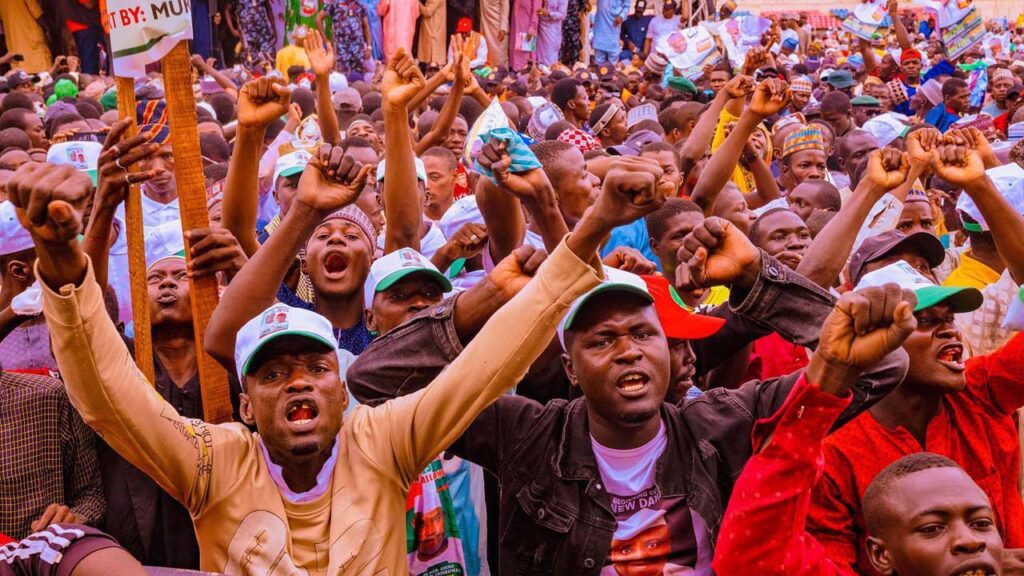
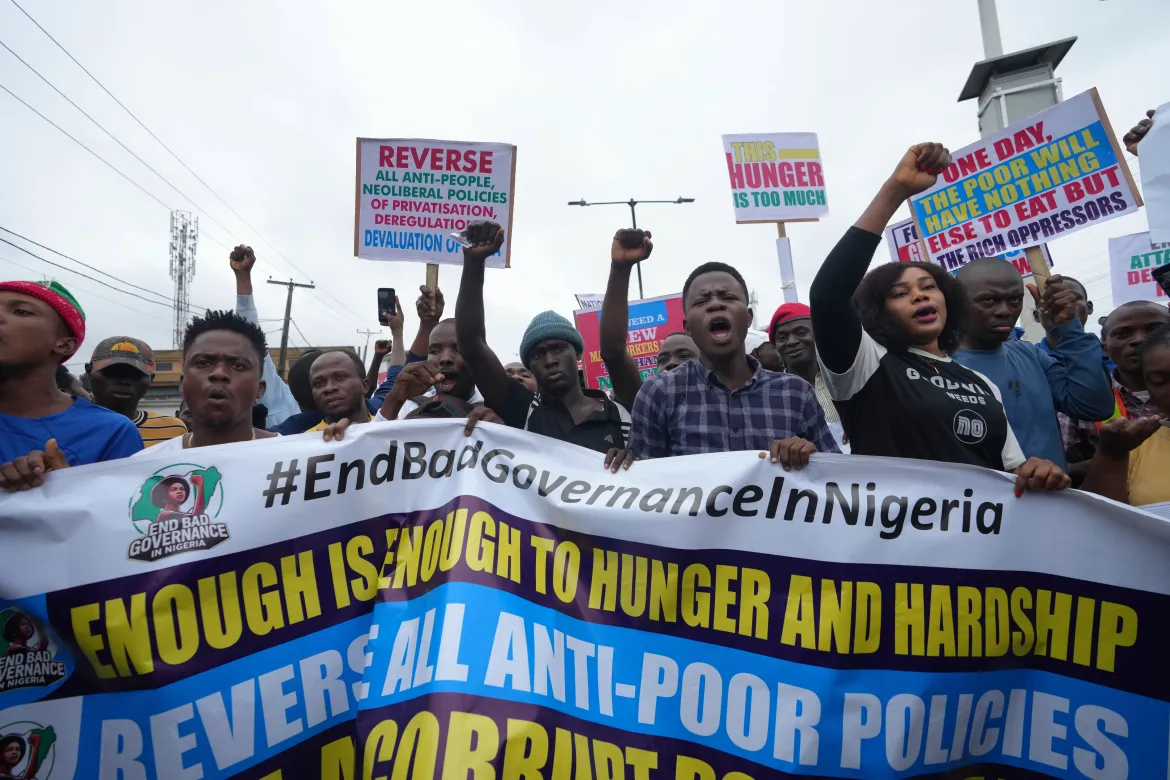
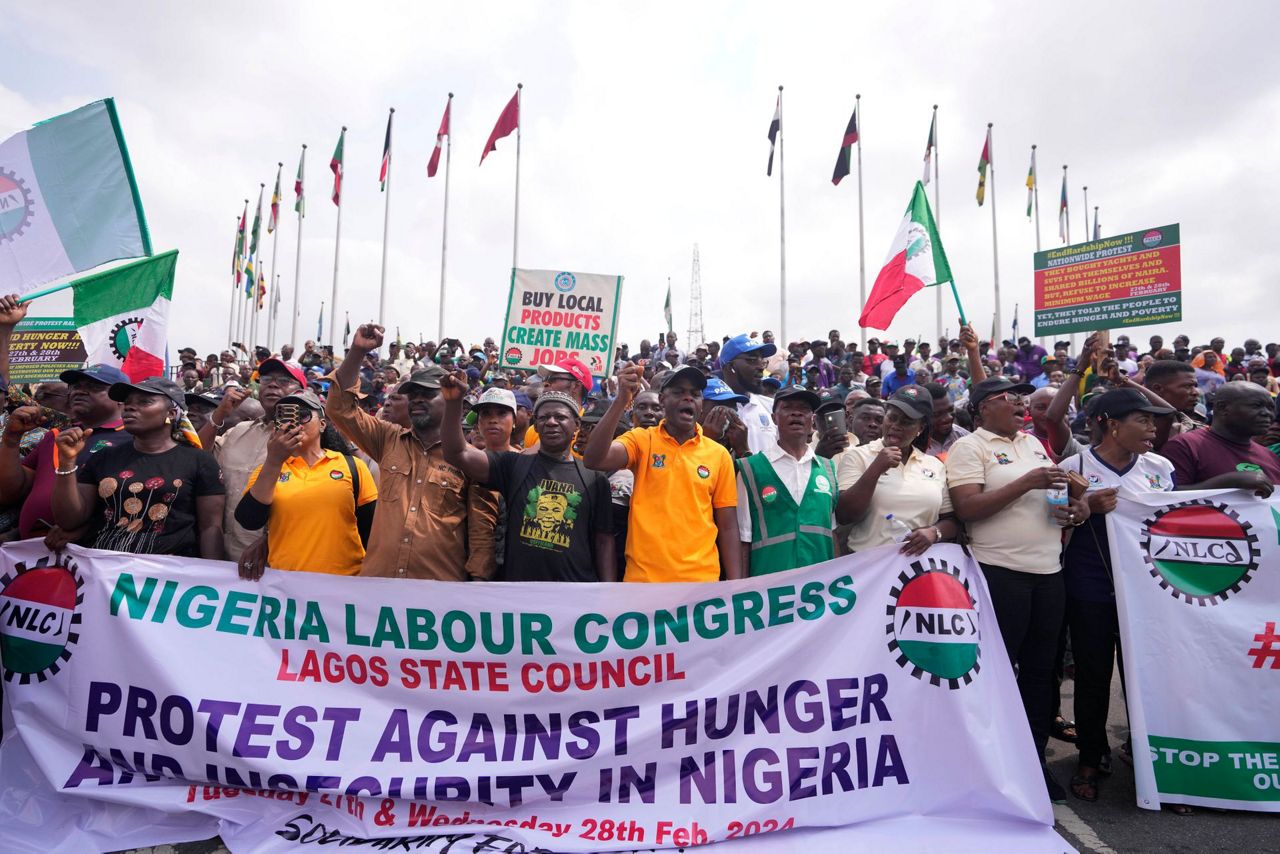
    Protest against Hunger and Bad governance in Nigeria

    In 1973, General Augusto Pinochet led a military coup that ousted a democratically elected president in Chile. Under his rule, the country saw brutal repression, thousands were arrested, disappeared or killed. Year after year of resistance, student’s movement, labour strikes, and international pressure, dictatorship crumbled and democracy was eventually restored. In the Philippines, Ferdinand Marcos ruled as a dictator for above two decades, and imposing a martial law in 1972. During that time, the regime was marked by widespread human rights abuses and corruption. In 1986 after a mass uprising, people powered revolution peaceful protests spanning weeks, he was forced to flee. Marcos was originally a civilian who was elected president in 1965. Overtime though, he seized more power and imposed martial law and became a dictator. So it was that shift from a civilian leader to authoritarian ruler that defined his regime. In Chile, Augustus was a military officer, and he led the coup in 1973 as a general. He ruled as a dictator using the military to entrench his regime. Protest began in pockets, at first with student’s groups and labour unions. Overtime, these protests grew, people organized into brands, spreading across neighbourhoods, and used international support. Key moment of the massive national strike and the defiance of the Artists, kept the movement alive. Eventually, the pressure became so great, that the regime began to slip leading to a referendum in 1988 where the people voted him out.

    Jasmine Revolution

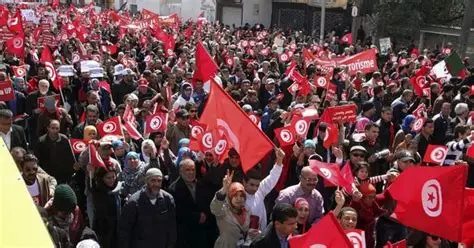
    In Tunisia in late 2010, December to be precise, it so happened with Mohammed Bouazizi, a young street vendor man in his early 20s, who lived in a small city of Sidi Bouzid in Tunisia. He came from a humble background and every day he would set up a small stand on the street selling fruits and vegetables and he was the primary bread winner of his family, his mother and siblings. On that day in December 2010, a municipal officer confiscated his goods, claiming he didn’t have a permit. In that moment after being humiliated and feeling powerless and no one listened to him, he walked to a nearby square and set himself ablaze. That sparked mass protest and within weeks the movement which was later called the Jasmin Revolution toppled President Zine El Abidine, ending his 23 years dictatorship. From there Tunisia became the first Arab spring success, ushering in a new democratic system. With the examples of the successes recorded in the Philippines, Chile, Tunisia and South Africa, leading to the end of Apartheid, all of these show that when people stay committed and organized, they really can bring about massive change within a few years or as soon as the situation demands. Persistence grinds an iron beam into a needle.

    In Nigeria, there are several active resistance movements. For example, the hashtag protest against bad governance and hunger erupted in May 2024, driven by young Nigerians frustrated with economic hardship and governments failures. The Nigeria Labour Congress is also playing a key role linking labour rights to broader demands for accountability. In Niger Delta, environmental justice groups are continuing decades of resistance against oil extraction. These movements though different, share a spirit of resilience and a help for change. To harness the energies from these movements, just like the civil rights movement in the United States or the resistance movement against Apartheid regime in South Africa found a unifying principle, in Nigeria it could be a shared focus on economic justice or youth empowerment. Something that affects everyone regardless of region or profession. Once we have that one unifying demand, which could be the security of lives and property, a fair government or true democracy, we can align our strategies, amplify each one’s voice and create a really sustained movement. Note that the role of the media in this equation is crucial and indispensable. They are to connect those dots. By consistently telling those stories, they build a bigger narrative, and people see that despite different causes , they are all fighting for something bigger, and that can be a catalyst for unity and a sustained action.

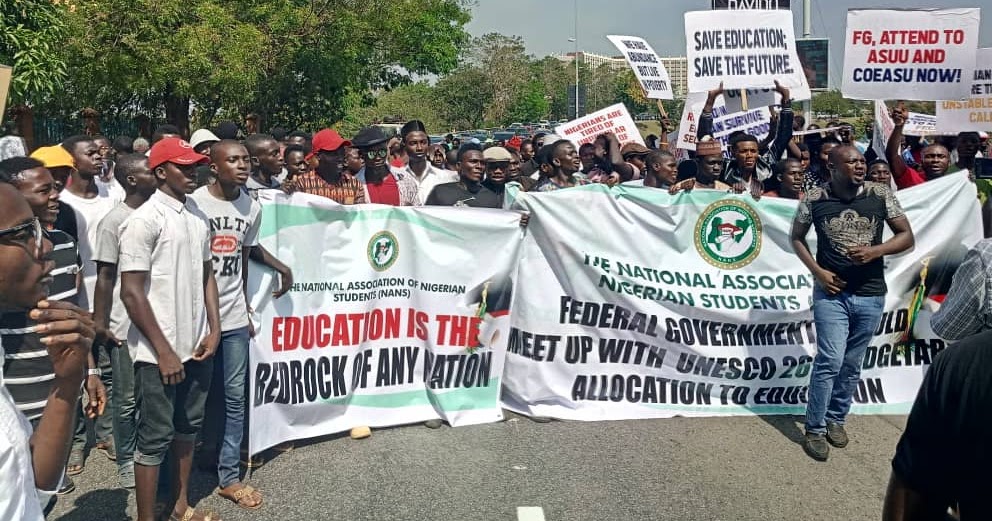
    Student Union Activists in Nigeria

    There is no gainsaying the fact that Nigeria is in a precarious situation as made possible by the directionless administration of Bola Ahmed Tinubu and his retrogressive party, APC. The most disappointing part of it all is the degree of the desecration of the Temple of Justice, the judiciary, an arm of government which ordinarily should be the last hope of the common man, but now the seller of justice to the highest bidders. In political cases, one predicts easily where the pendulum of justice swings especially when the ruling party officials are involved. That accounts for why it is extremely difficult if not impossible to practice true democracy in Nigeria.

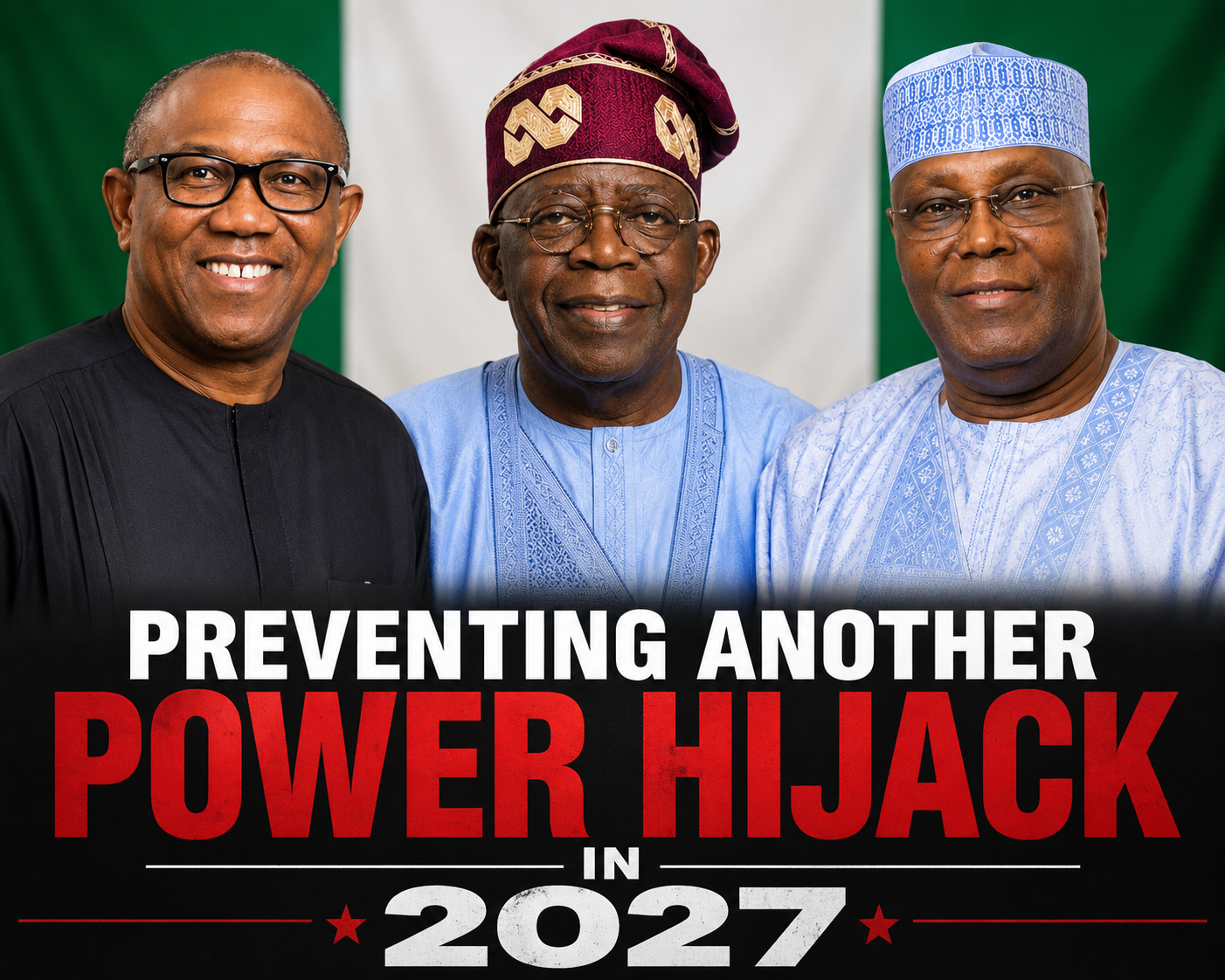
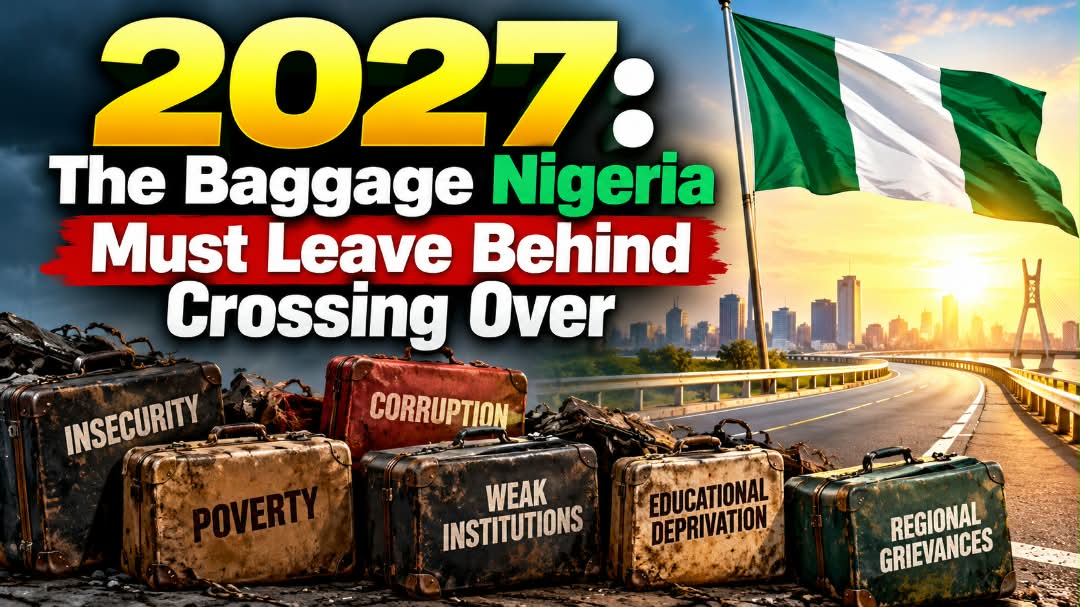
    It is important at this juncture to rethink Nigeria back to the path of rectitude, stability, and greatness. This positive development is possible by voting out of power Bola Ahmed Tinubu and his cohort in 2027. Nigerians are called upon to be circumspective especially regarding the 2027 elections and those that would be asking for our trust, especially the sitting president, Tinubu. Nigerians should look at the patterns, from his drug allegations in the United States, certificate scandals, to the fraudulent tactics he used to seize power in 2023. Nigerians also should not forget in a hurry, the case of the fake bishops used to garner support for his moslem-moslem ticket. These are not just personal failings, but a blueprint of deception. It is also concerning; how much damage has been done to the country’s democratic structures by the Tinubu administration. To this end, if we allow him another term, we risk losing the remaining progress made since 1999 which was when democracy returned at the commencement of the fourth republic. Let us unite across faith, class, region to ensure that Nigeria’s future is not stolen from us. Imagine a Nigeria where leadership is accountable, where opportunities are not stolen by a few but shared by all. A nation where education is genuine and youths have a voice, and where justice prevails. That Nigeria is possible, but we have to choose it NOW and together.

    Labour Union Activists in Nigeria

    View the whole world and with impartial eyes, consider and examine all that rise. Weigh well their actions and their treacherous ends. How greatness grows and by what steps ascends. What murders, treason, perjuries, deceits, how many fall to make one monster great?

    God bless Nigeria.

    By Samuel Tunji Adeyanju

  • Tolu Schools Complex: Sanwo-Olu Redefines Governance in Lagos State

    Tolu Schools Complex: Sanwo-Olu Redefines Governance in Lagos State

    By reviving Tolu Schools, he symbolically bridged decades of delay, showing that government can respect history while pushing for modern future.

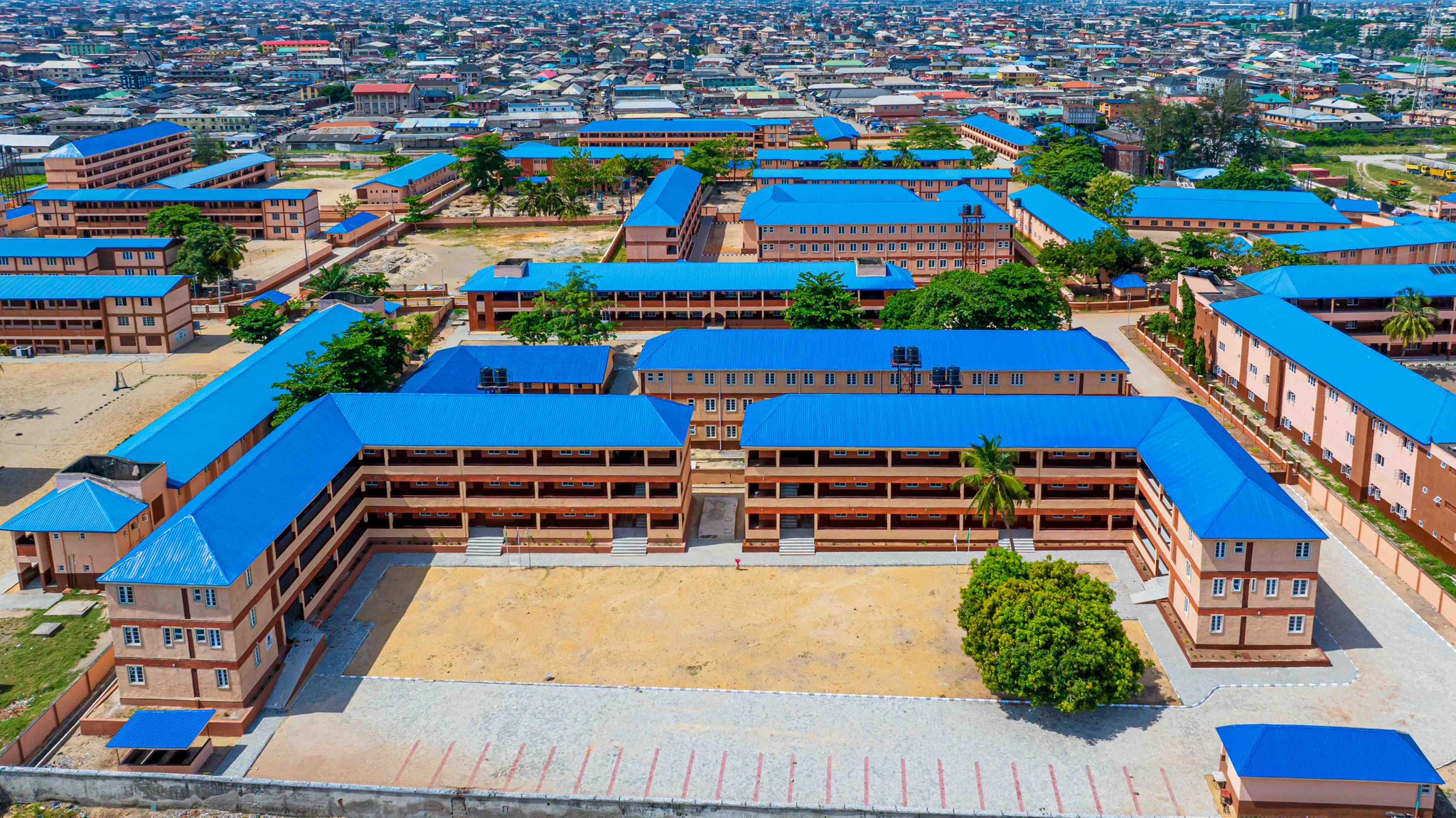
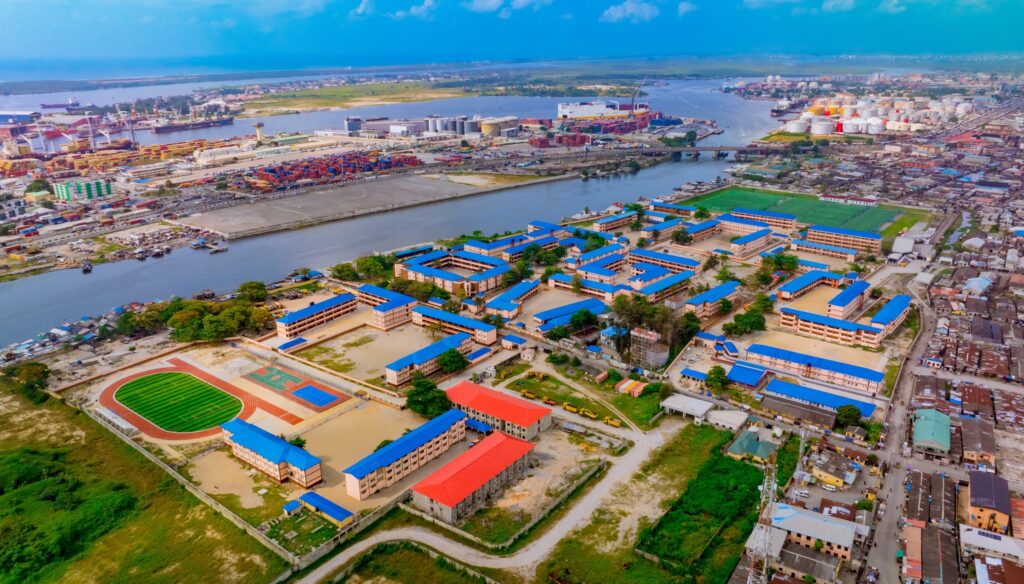
    Thursday, April 9th, 2026, marked a historic milestone as Tolu Schools Complex was officially commissioned in Lagos, Nigeria. Originally, founded in 1981 by the visionary Lateef Kayode Jakande, the first executive governor of Lagos state. That expanse of complex now spans around 11 hectares in the Ajegunle district. Hosting 36 schools within, Tolu schools complex serves over 20,000 students, embodying a legacy of excellence in education. The complex features modern classrooms, parks, sporting facilities like football pitch and courts, as well as specialized ICT hub, science labs, and vocational workshops. There is also a well-equipped fire service station. It was designed to be a large centralized educational hub in a densely populated area.

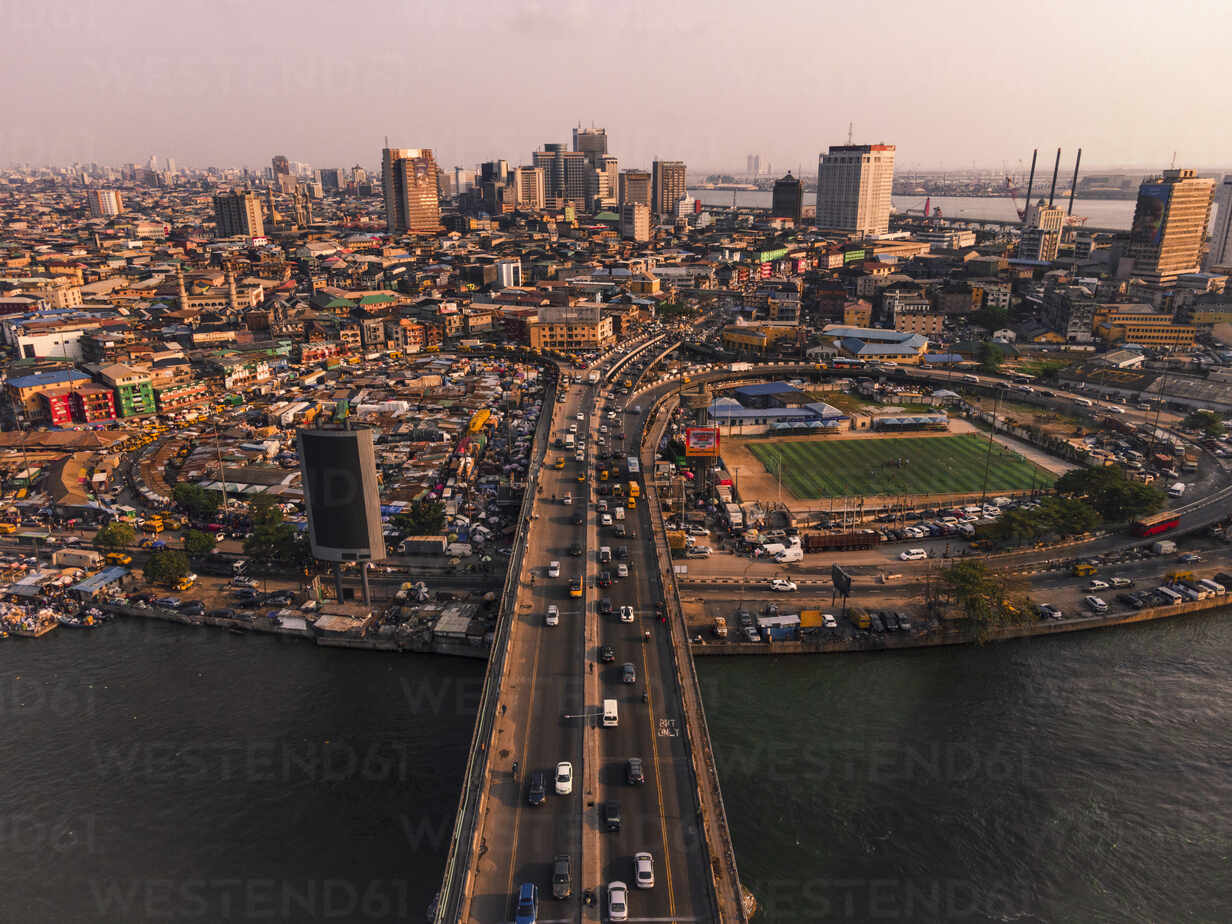
    The Ajegunle kingdom, often known as the historic community is located in Lagos Nigeria, and it has deep root in the region’s ethnic and cultural history, often associated with the Awori people and other sub-Yoruba groups. Overtime, Ajegunle had evolved from a small fishing town into a densely populated urban area, known for its vibrant culture, music scenes especially in the realm of Afro beats and its resilience. Despite being known for its overcrowding, it is a place rich in innovation, entrepreneurship and community spirit. Ajegunle is such a microcosm of Nigeria. Despite its vibrancy, it faces significant challenges, including over crowding and the lack of basic infrastructure like consistent water, sanitation and stable electricity. Youth unemployment is also a major concern and crime rate can be a challenge due to economic pressures. However, the community is also known for strong solidarity in spirit with many grassroot organizations and local leaders working to drive change.

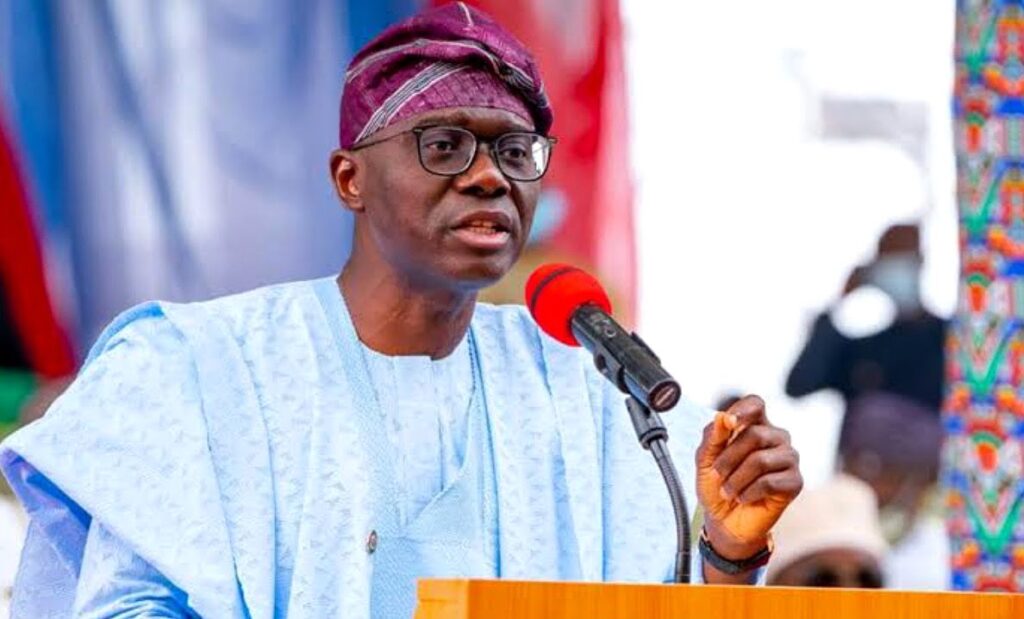
    Governor Babajide Olusola Sanwo-Olu

    Now that a clear picture has been painted about the host community to the Tolu Schools complex, it becomes necessary therefore, to dive into the symbolism of the gigantic project, and possibly also, interrogate those factors responsible for the abandonment of the Tolu school project for decades after its commencement in 1981 by the Lagos state government, under the watch of the visionary Lateef Kayode Jakande as part of his mass education initiative. Recall that the land that houses the Tolu schools complex, was actually reclaimed from the Lagos lagoon area. So, was once a marshy to undeveloped part of the city, and the government filled and levelled it to create space for the school and other development projects in the area. The Tolu schools complex are really symbolic, for they represent a beacon of hope, education, and opportunity in a place that faced systemic neglect. Tolu schools gave many children from Ajegunle who otherwise might not have had access, a social mobility. In that sense, they became a cornerstone of educational empowerment and a symbol of hope for generations in the community.       Worthy of note is that, the delay in completing the Tolu schools project was due to several factors.

    The project sitting on about 11.7 hectares with 36 schools was ambitious in scope. After starting under Lateef Kayode Jakande, in 1981, progress stalled for decades due to funding gaps, shifting priorities, and the complex nature of the environment. Recall also, that after Jakande left, between the return to democracy in 1999 and now, in 2026,3 governors had governed Lagos before Mr. Babajide Olusola Sanwo-Olu came on board, and during whose time the project was completed and commissioned in 2026. They were Mr. Bola Ahmed Tinubu, 1999 to 2007, Barrister Raji Fashola, and Akinwunmi Ambode. These passed through Lagos, prioritizing the minor and neglecting the major in the order of priority. The absence of Mr. President Bola Tinubu physically at the unveiling of a project of such unparalleled magnitude and unprecedented in value and nature, was premeditated, and an eye saw. It was also, a political calculation and not surprising, for how could he have been able to withstand the daring and the no nonsense Lagos crowd, especially those who refused him their votes in the 2023 presidential elections, and who had on other occasions, sang for him the popular song of, “We Are Hungry”.  He knew very well that had he shown up at the event, he would have had himself prophesied to about his looming waterloo in 2027, as well as have a song composed for him, praising and placing Governor Sanwo-Olu’s achievements over his, like the case of David and Saul in the Bible.

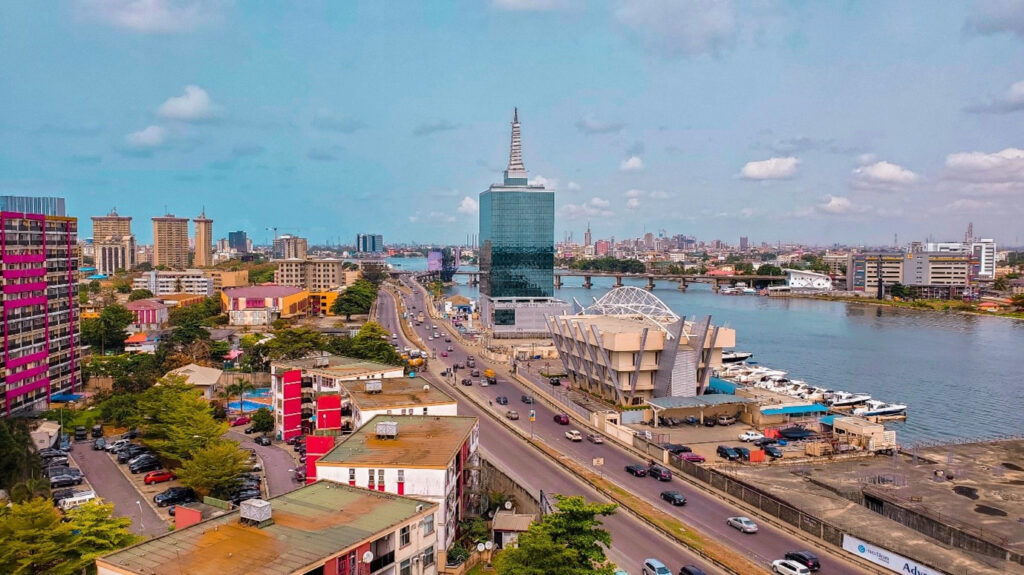
    Lagos State

    Furthermore, with the completion and commissioning of the Tolu Schools Complex by Mr. governor, Babajide Olushola Sanwo-Olu within his second term, what stands out about him is his deliberate focus on continuity and legacy. He did not build infrastructure for self-aggrandizement and ego, rather, he tied it to a broader vision of urban renewal and inclusion. By reviving Tolu Schools, he symbolically bridged decades of delay, showing that government can respect history while pushing for modern future. Looking for and needing a clarification on the distinction between knowledge and wisdom, contribution and commitment, and belief and faith?  Travel no further, here is the wisdom that works, and which makes faith without works dead. Think also of the eggs and the bacon. The chicken makes the contribution, while the pig makes the commitment. Similarly, just as one can be rich and not blessed, one can also believe and not have faith. Faith is not believing, but acting what you believe. It follows therefore, that, as it is possible to believe and not have faith, in the same vein, no one can have faith, and not believe. Moreover, Governor Sanwo-Olu’s rear combination of acknowledging past issues while being bold enough to reprioritize long term investments, that sets him apart. So, in that way, he is not just a successor of the previous leadership, he is actively redefining what it means to govern in Lagos State.

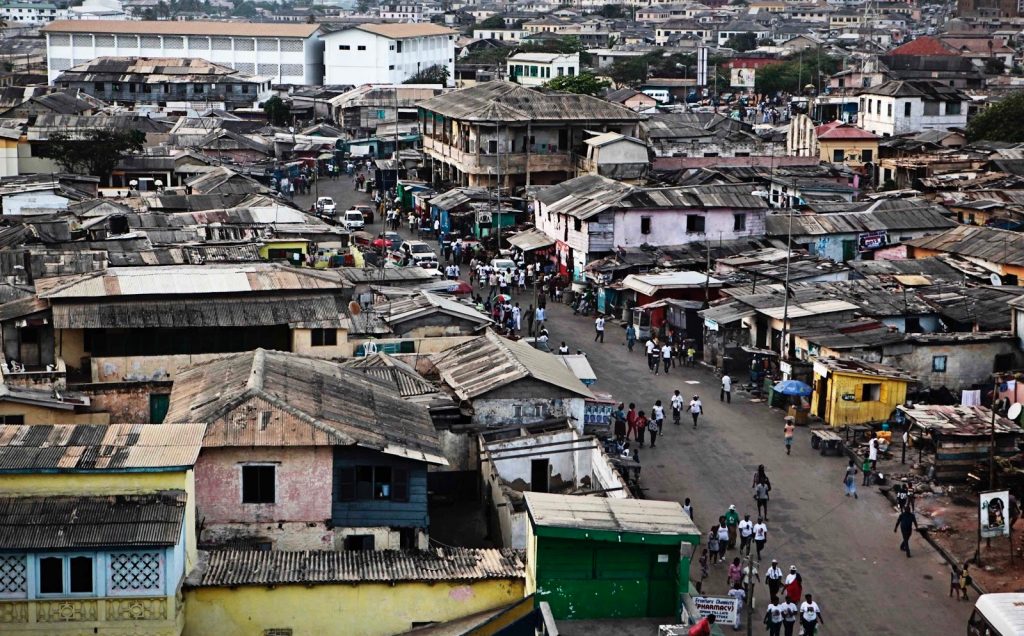
    Ajegunle, Lagos State

    The benefits of education cannot be overemphasized and are pivotal to any meaningful developments. Education is the backbone of nation building. It shapes citizens, empowers them with skills, drives innovation, and create a more equitable society. It is a fundamental investment for any nation for on time success. However, prioritizing education, making a selection from a scale of 1 to 10, and with 10 being the most desirable. Normally, education should be on a 10, in a technological driven nation, because innovation, competitiveness, and even sustainability, all depend on the resolve for rethinking education. For instance, education, be it at the primary, secondary or tertiary level, builds the foundation for knowledgeable and skilled workforce, including economic growth in innovations and long-term national progress. The benefits of the Tolu School Complex also, especially to the community include, the school provides assessable quality education, keeping the kids engaged, and giving them a real sense of purpose. For Lagos state, it means, a stronger talents pipeline, more skilled citizens ready to contribute. To the nation, it is a building block for long term innovation, economic growth and overall national resilience. Socially, a clustered school setup like the Tolu schools complex, provides a really vibrant social environment where students from different background interact, build networks, and thereby fostering a sense of community. However, in terms of security, having a clustered can concentrate resources, better monitoring, safer facility, and it is a more structured environment for everyone. Specifically, in the Tolu schools complex and being a clustered setup, security benefits come from shared infrastructure, such as centralized security personnel, monitoring entry and exit points, using even tech like CCTV and biometric assess. Because many schools are clustered together, it is easier to coordinate a social response. Interestingly, the Tolu Schools Complex model of a cluster model can be a game changer especially in the parts of the country that are more vulnerable and with a high rate of school abductions. The model provides a safer environment with less vulnerability, and giving students and parents more confidence in their safety.

    Tolu Schools Complex

    On a final note, and if education is the best legacy as many believed, therefore, the actions and inactions of Governor Sanwo-Olu’s predecessors especially in matters of educational developments, only speak to one thing, which is the lack of compassion and empathy, especially for the down-trodden in our society, and the more reason why the country Nigeria in the hand of one of them as President Tinubu, is at the brink of collapse. No one can give what he does not have, and what one does off the job, is a determiner of what he does on the job.

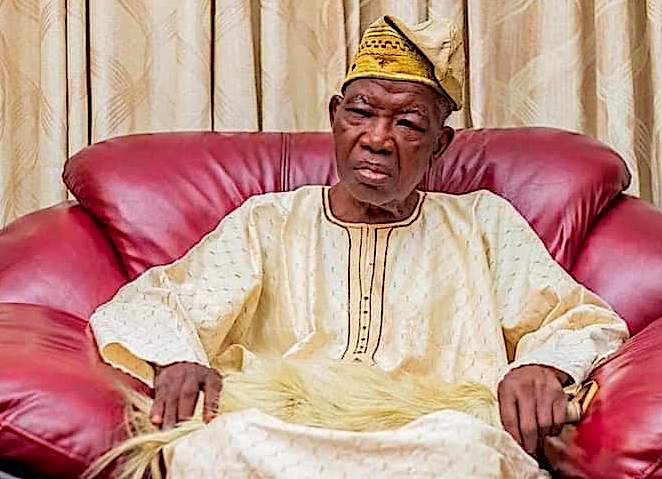
    Lateef Kayode Jakande

    The preservation and sustainability of the Tolu Schools is critical, occupying an important place just as its foundation. To preserve this legacy and maximize the benefits, the government needs to ensure consistent funding, making sure the school is part of budget allocation, providing infrastructure support and policy backing. The community on the other hand, needs to stay engaged, regularly supporting the school, volunteering, and also holding leadership accountable. It can really be enduring if they work together. Maintaining high quality teachers is crucial and to this end, the government and school leadership need to invest in regular training, professional development, and incentives to keep teachers motivated, and the community can also play a role. By recognizing and valuing the teachers, you create a culture that really supports the sustenance of quality education and for a long time. According to Epictetus, “be careful to leave your sons well informed than rich, for the hopes of the informed are better than the wealth of the ignorant”.    

    God bless Nigeria.

    By Samuel Tunji Adeyanju
  • Once A Slave Master Forever A Slave Maker

    Once A Slave Master Forever A Slave Maker

    However, as a safeguard, African leaders as a matter of necessity and urgency, should focus on strengthening regional institutions like the African Union (AU), so they can set terms for cooperation, build stronger local governance, diversify economic partners, and stay vigilant about trade and aid agreements, ensuring that they prioritize sovereignty and long-term developments over short-term gains.

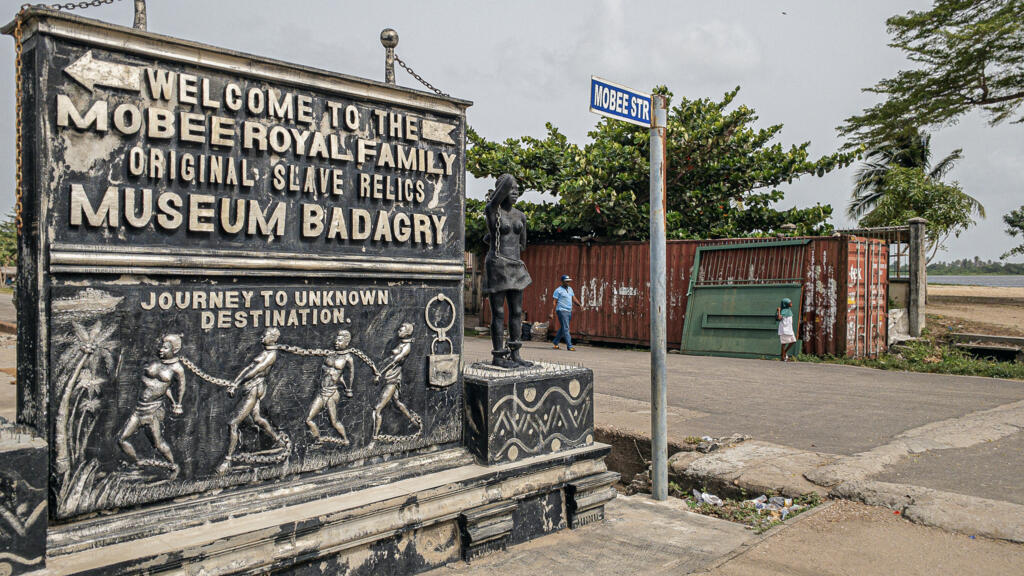
    On March 25, 2026, a historic resolution was passed by the United Nations General Assembly, officially condemning slavery as the gravest offense against humanity. This landmark declaration serves as a powerful reminder of the enduring legacies of the impact of slavery and the ongoing need for justice, reconciliation and remembrance worldwide. The vote was 123 in favour with America, Israel and Argentina voting against, and 52 countries abstaining. This was significant, because it was the first time slave trade was legally framed as a crime against humanity. One important lesson to learn from history, is that history does not die, and that no matter how long the night keeps, dawn will break, and the abandoned rag under your cupboard, may be useful on a rainy day. The question that agitates the mind is how did humans get to that point of dehumanizing fellow humans, turning them into mere commodities for sale. Even though the period when the heinous crime was committed was described as the Dark Age, was that suggestive of total ignorance of God or were there no any noticeable stronger force, or were there no sky, sun, moon, seas and all the powerful works of nature that naturally command the attention of man? It is heartbreaking to note that the driving force into slave trade was rooted in dehumanization and economic greed. Slave traders and colonial powers saw people as commodities and objects to be exploited for labour especially in the Americas, and that mindset was really enforced by racial ideologies that justified them as achievement. At that time, the motivation for slave trade was both financial and moral corruption.

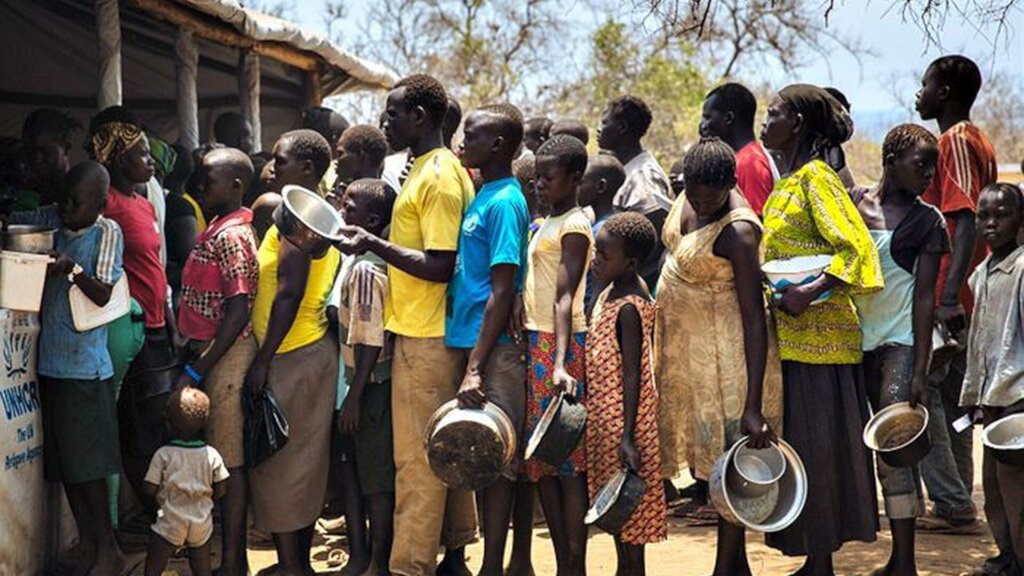
    Slave Trade Experiment

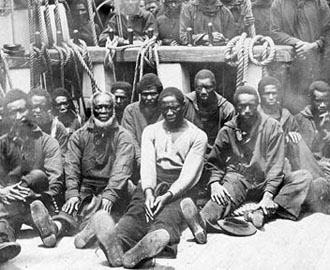
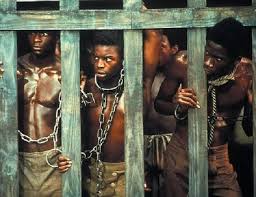
    The Trans-Atlantic Slave trade lasted for about 4 centuries, beginning from the mid 1500 continuing into the 1860s. So, it had been roughly for 360 to 400 years with the peak in the 1700s and in the early 1800. Although, the legal ban started in the 1800, illegal trading continued until the 1860s. There is no gainsaying the fact that, describing the Trans-Atlantic slave trade as the gravest crime against humanity, is apt, especially because of its shared scale and shared brutality. Millions of people were uprooted, dehumanized and treated as property. Families were torn apart, cultures erased, and the psychological trauma is carried through generations. Suffice to say also, that the trade wasn’t just a commercial enterprise, it was a systematic extermination of dignity and humanity. Wait a minute, is it not the same pattern of systematic extermination of race, dignity and humanity that the African countries especially Nigeria are witnessing, in the forms of terrorism and banditry? Why are the African leaders not putting the blames, especially about the seemingly intractable insecurity problems, at the appropriate place, which is the doorstep of their former slave and colonial masters. Since I was told that the devil rebelled against God and was cast down to the earth, I have not been told anything different that alludes to his repentance.  When we talk about the idea of the deradicalization of terrorist, kudos to some African countries that are trying the experiment even though it is bad and has not yielded any positive results. How much of the understanding of the Bible they brought to assuage us with, have they in themselves? Whereas, that was the greatest reparation that man can ever get anywhere in the land of the living. They may not think of it as such a big deal, other than a bait. Hence, they gave it all and lost it all. This accounts for why you cannot find a Christian terrorist in Nigeria. However, majority of them from the Christian countries, being one of the nine (9) countries with nuclear capabilities are also super terrorists. To this end, now they need it, knowledge about the fear of God, which is the beginning of wisdom, more than we do. The wickedness of man to man is unquantifiable. Moreover, since it is impossible to build something on nothing, it follows therefore, that our cherished democracy which is a system of government copied from the former colonial and slave masters, was built on the legacies of slave trade, and if that be the case, what should be expected, and what can be done after the foundation has been destroyed? Remember also, that it is not falling into water that drowns, but lying in it. Democracy as practiced on the legacies of slavery, with weak institutions and serious security challenges, is a cheap gateway for the modern colonial masters to come in and further infest the ground with insecurity. Often, super powers promote democratic ideals as a soft power, framing themselves as the champions of freedom.

    Slave Trade Experiment

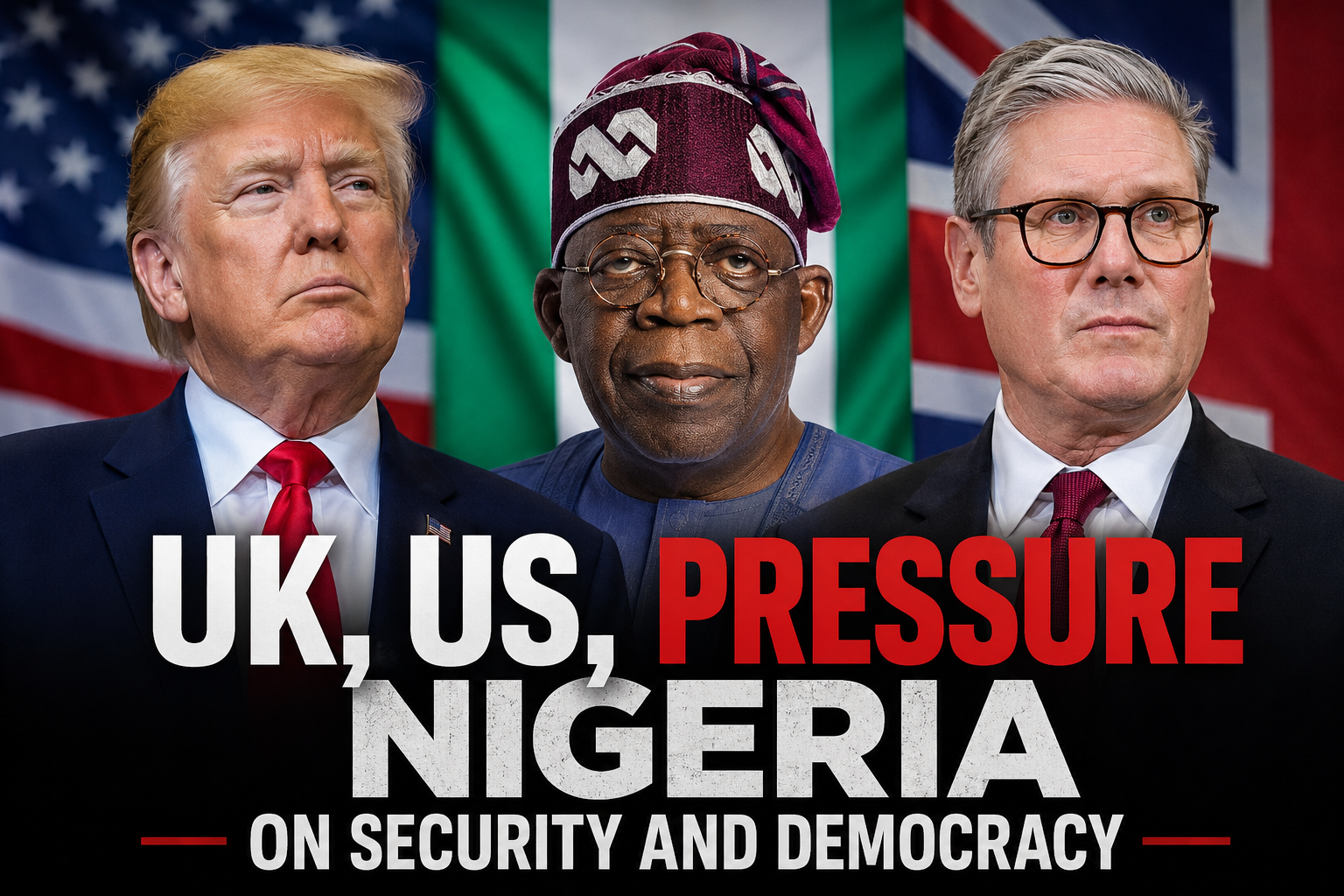
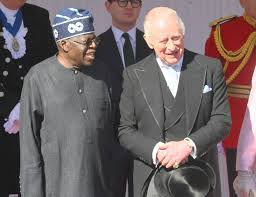
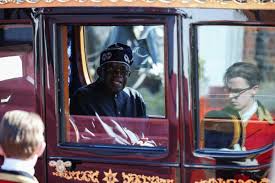
    Also, in practice, they sometimes use democratic language to push for strategic interests like securing resources, maintaining political allies. So, while democracy is the rhetoric, the underlying goals can still be about influence and control. However, as a safeguard, African leaders as a matter of necessity and urgency, should focus on strengthening regional institutions like the African Union (AU), so they can set terms for cooperation, build stronger local governance, diversify economic partners, and stay vigilant about trade and aid agreements, ensuring that they prioritize sovereignty and long-term developments over short-term gains. This brings to fore the question of whether if one’s head is to break, better to break in one’s hat or others. Fellow citizens of the world, Africans, and Nigerians, this is food for thought. It is there in the political philosophy of the framers of the United States of American constitution, who in the words of James Madison famous federalist No. 51, “organize the government in which ambition must be made to counteract ambition. Or, if men were angels, no government would be necessary”. Augustine in trying to make a comparison between the city of God and the city of man, in the city of man whose characteristics are a complete opposite of the city of God, he aims to show that in the city of man all human relations are ultimately relations of power; “because I do it with a tiny craft I am called the pirate, because you have a mighty Navy you are called an Emperor”. From the above analysis, Nigerians may now review the most recent visit of president Bola Ahmed Tinubu to the United Kingdom and score him accordingly.

    Slave Trade Experiment

    To all well-meaning Nigerians, both at home and abroad, including the vibrant Civil Society Organizations, Labour Unions, Professional bodies, Great Nigerian students and all well-wishers, all shall rise up to the occasion and do all that is humanly possible, and within the ambits of the law to stop the second term ambition of Bola Tinubu for President in 2027, to free Nigeria from the shackles of Neo Colonialism.

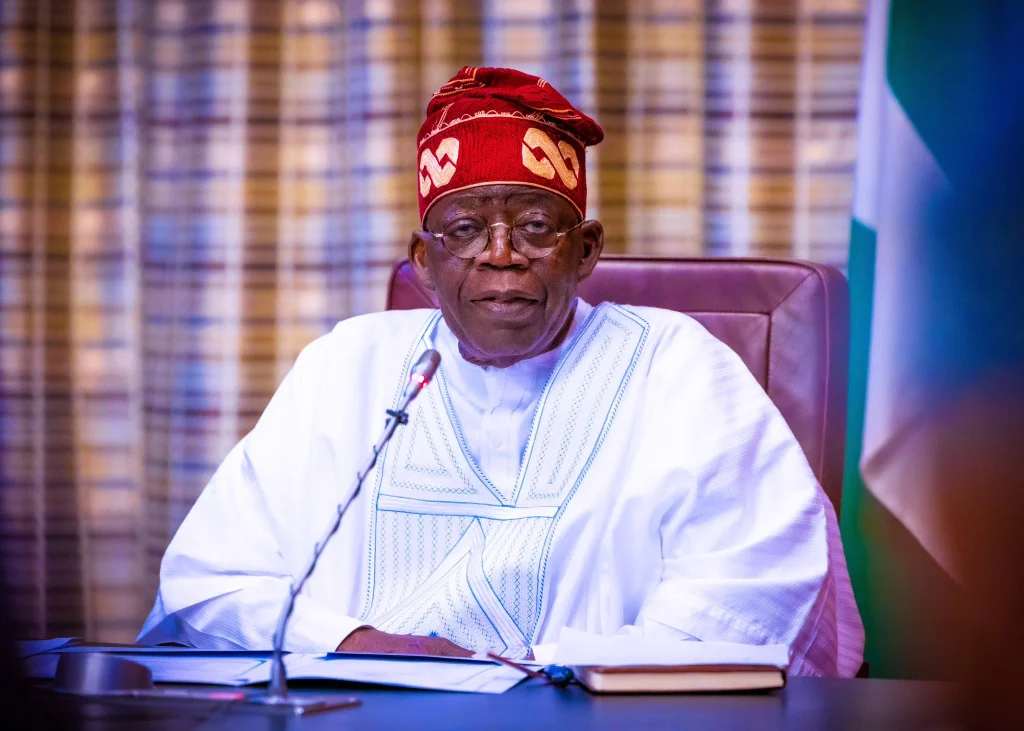
    President Bola Ahmed Tinubu State visit to United Kingdom

    In conclusion, this important question is for you and I to ponder on; “To what extent am I and others motivated by an urge to dominate, to impose our will to subjugate others?”  A borrower is forever a slave to the lender.

    God bless Nigeria

    By Samuel Tunji Adeyanju