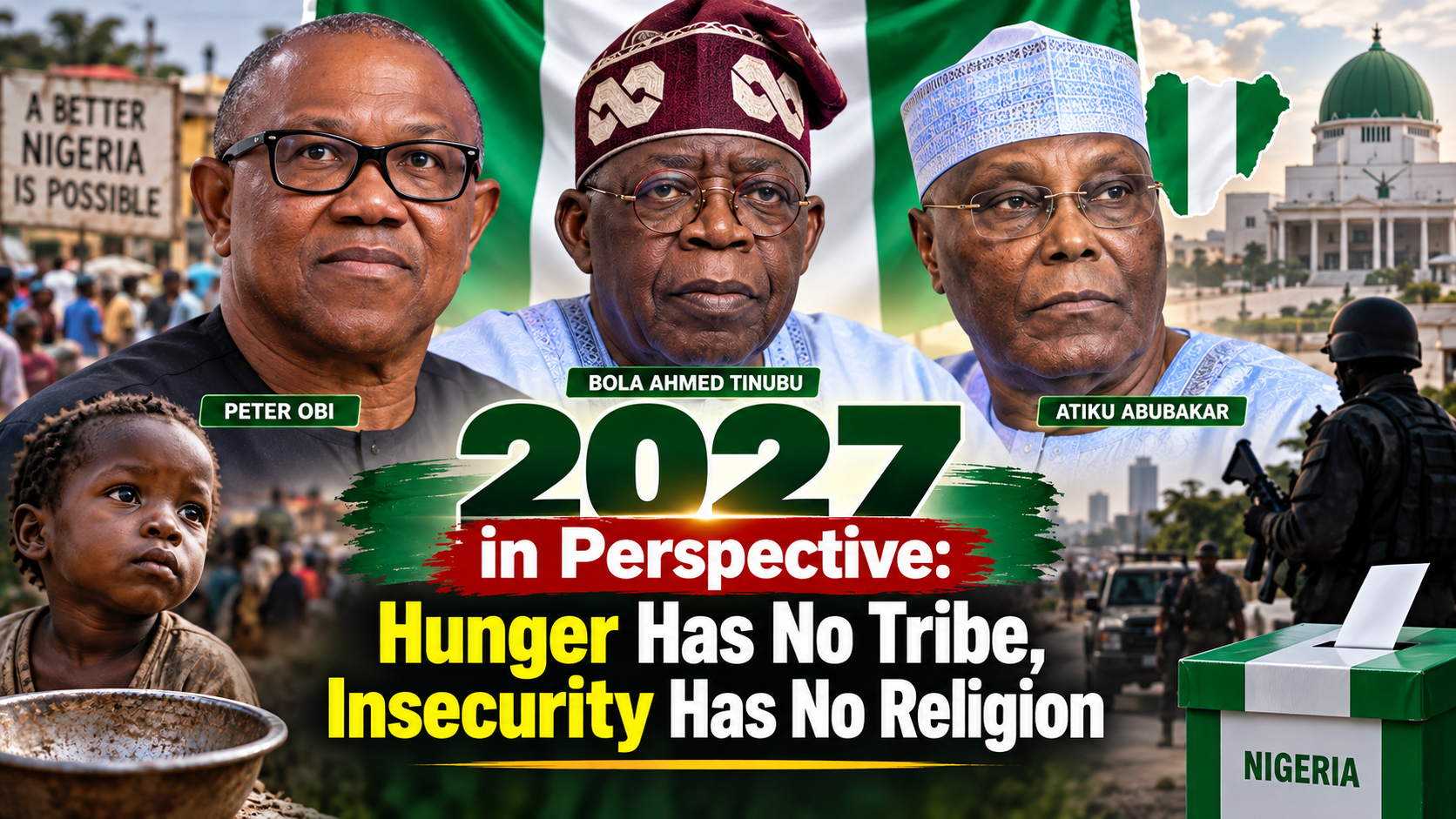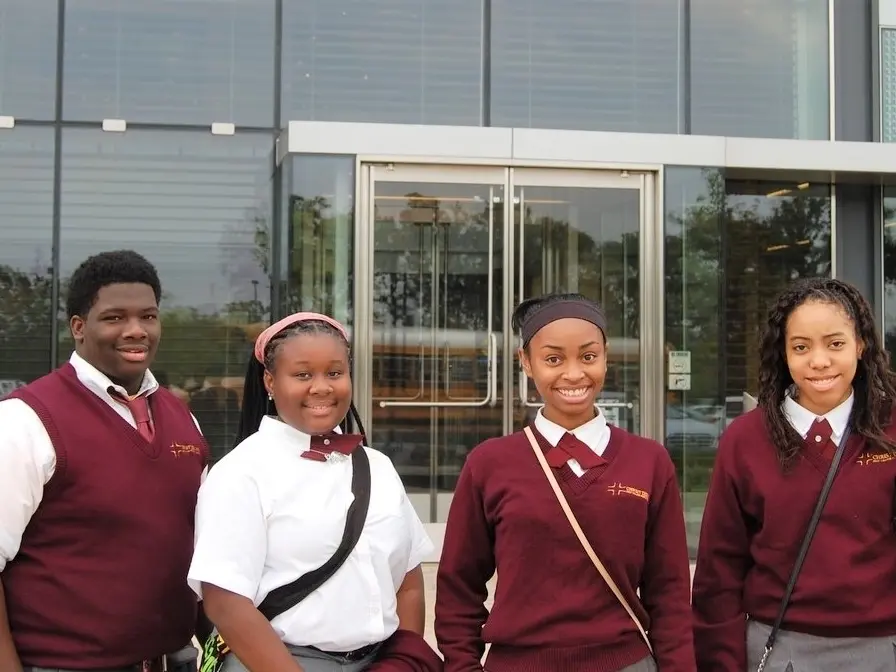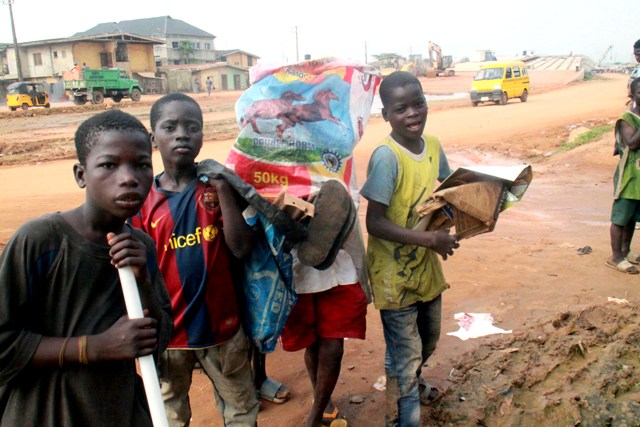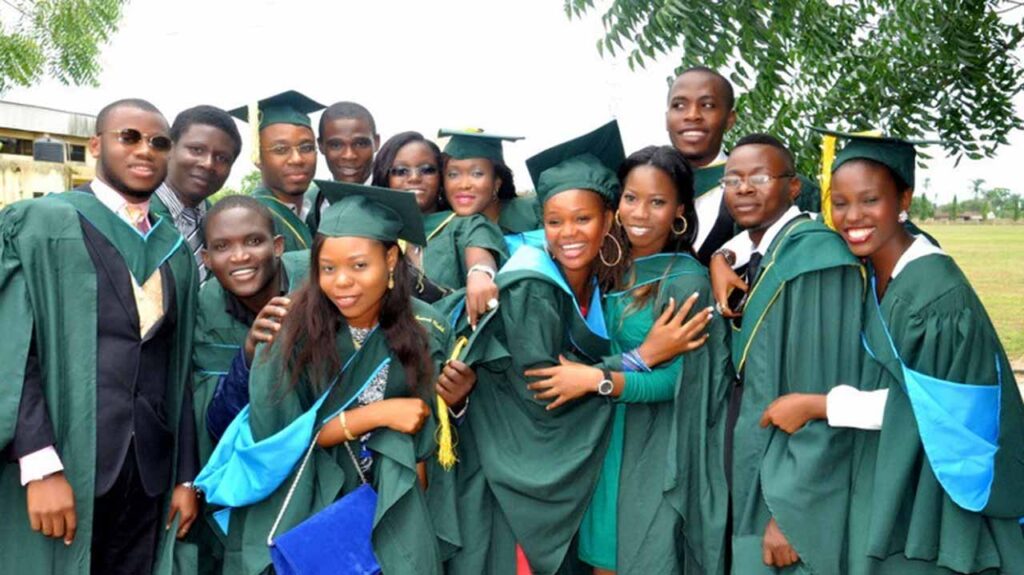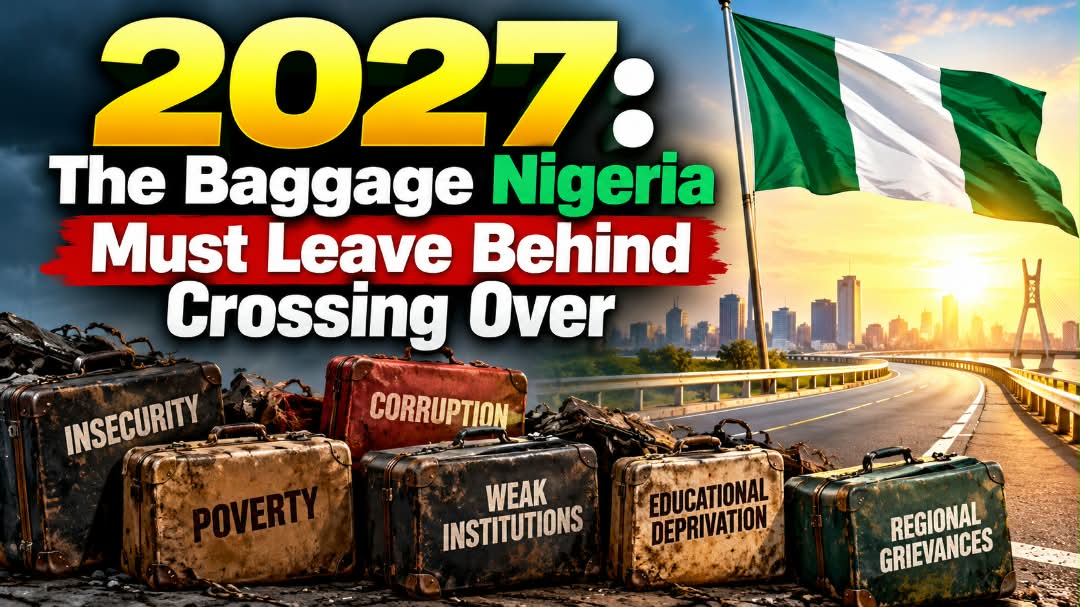
“These problems are interconnected. In parts of the North, poverty, educational exclusion, and insecurity reinforce one another in a cycle. In the South-East, questions of belonging, inclusion, and perceived marginalization remain part of the national conversation. The South-West too must examine whether education and political sophistication have translated sufficiently into unity of purpose and principled civic engagement”
2027 is Neither the Cause nor the Solution to Nigeria’s Problems
The year 2027 is simply a border to cross, and the crossing of a border does not determine destiny. If we cross carrying the baggage that has weighed us down for decades, we should not expect a different
destination. That is the danger in the growing excitement about 2027. Once again, attention is tilting towards personalities and contest: who will run, who will align, and who will win? But far less attention is given
to the harder prior question: what exactly is wrong with Nigeria, and will another election fix it?
Elections are indispensable, but an election is a mechanism for choosing leaders, not a cure for a nation’s deep disorders. Nigeria has crossed many electoral borders. Governments have changed, but
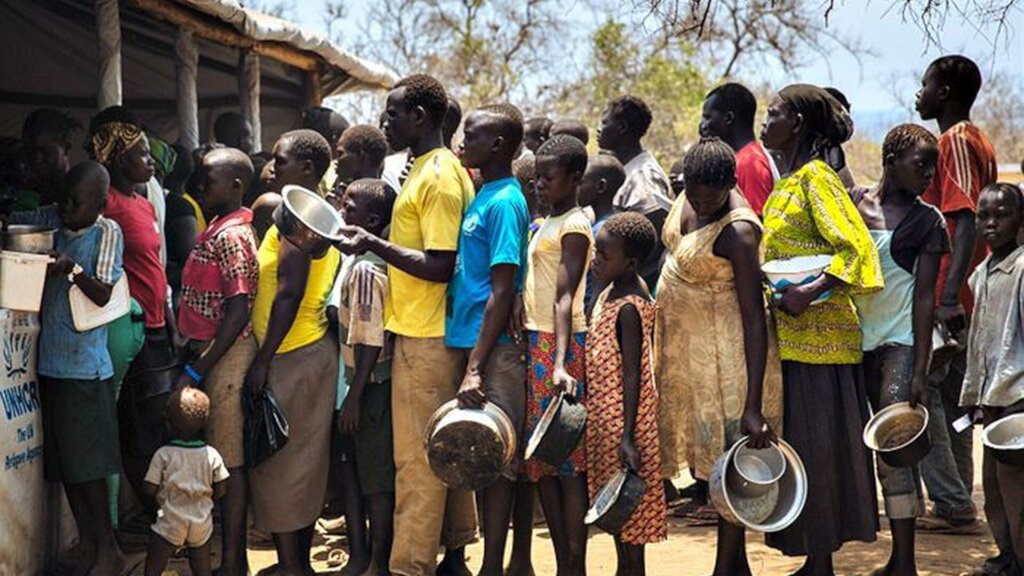
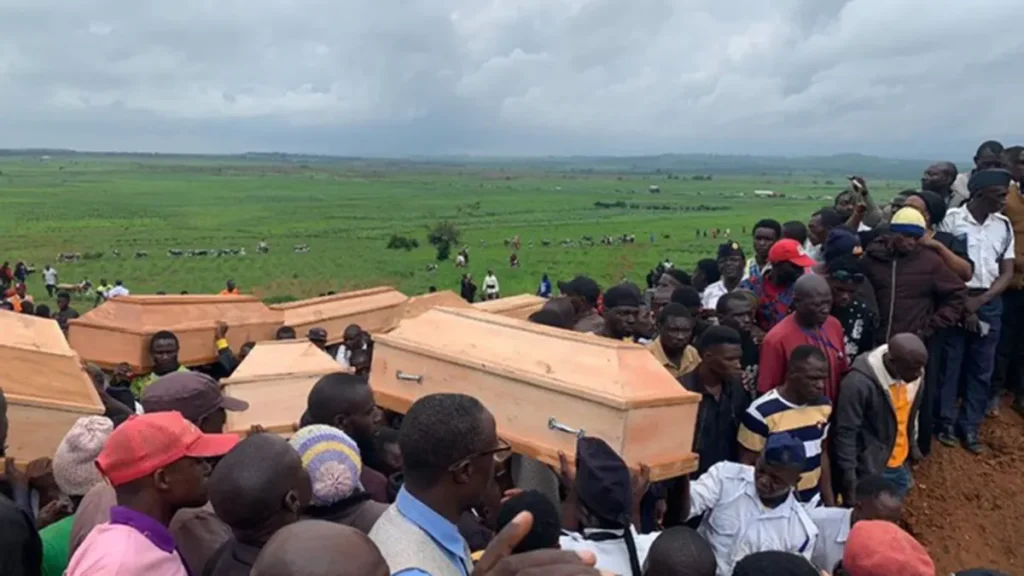
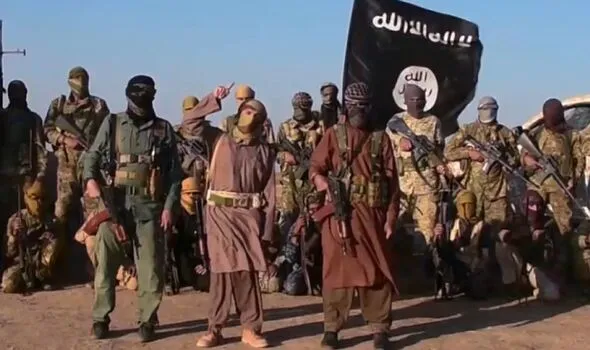
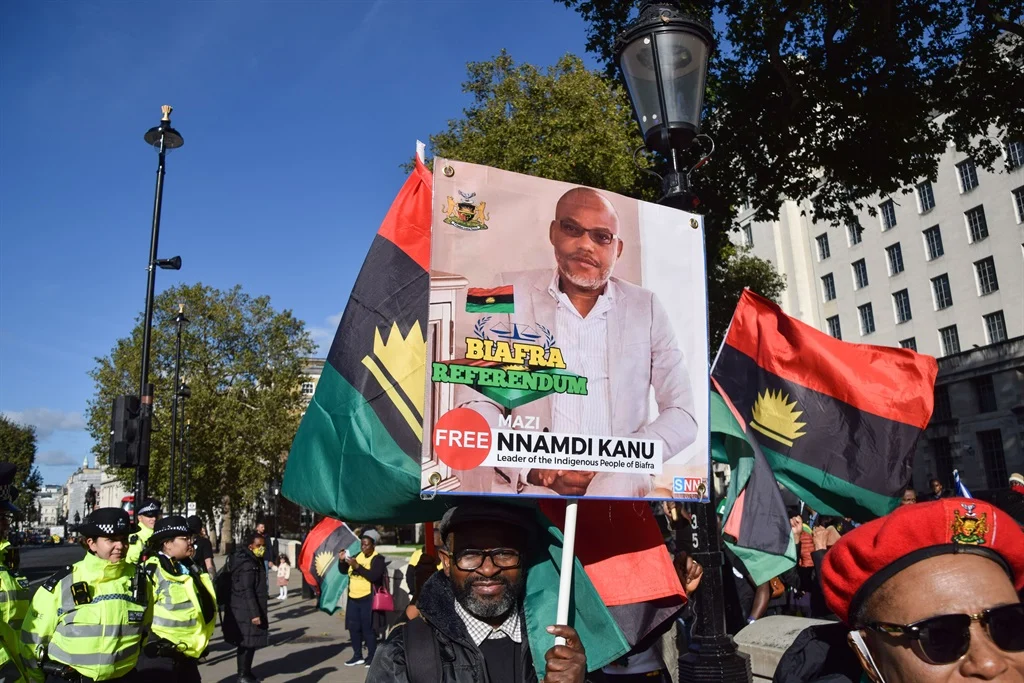
insecurity, poverty, weak institutions, corruption, educational deprivation, and regional grievances have too often crossed with them. These problems are interconnected. In parts of the North, poverty, educational exclusion, and insecurity reinforce one another in a cycle. In the South-East, questions of belonging, inclusion, and perceived marginalization remain part of the national conversation. The South-West too must examine whether education and political sophistication have translated sufficiently into unity of purpose and principled civic engagement. Every region must look inward and not only outward. Nor can citizens outsource all the failures to the leaders while ignoring the civic culture that produces them. Leaders emerge from among us, not from another society. If corruption is condemned in Abuja and tolerated when it is close to home, the problem is deeper than office holders.
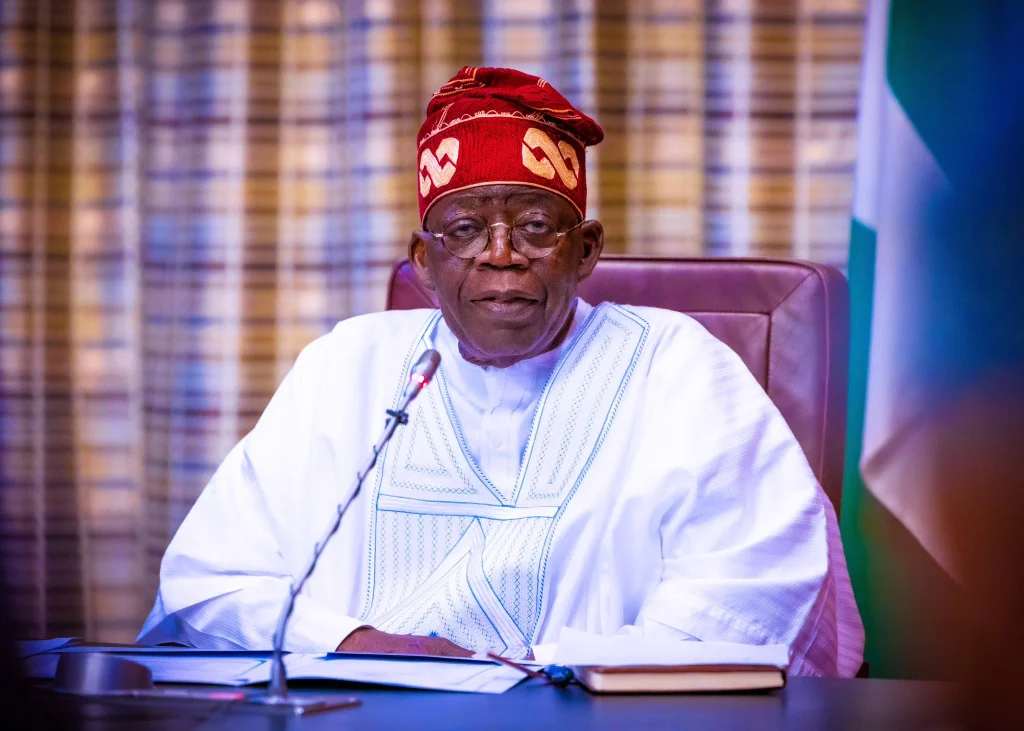
Nigerians need a serious conversation about Nigeria, about the substance and not just the shadow. What kind of federation do we want? How do we intend to live together and build one country? What
reforms, structural, constitutional, and civic are necessary? Otherwise, 2027 will come and go, another government will take office, and Nigeria may find that although it has crossed another border, its baggage has crossed with it.
The challenge, therefore, is not about reaching 2027; it is to decide what baggage Nigeria should leave behind before crossing. A nation that waits for election day to protect its democracy has waited too long. Nigeria’s 2027 general election is months away, but its credibility is already being built. In the first days of October, three signals arrived: the President’s Independence Day address, the national youth confab, and INEC’s stakeholders’ gathering. Together, they point to a simple question: what will be demonstrably different this time? The President spoke of prosperity, and that sets the test that ordinary Nigerians can understand. Show us where prosperity is in food, transport, jobs, schools, power and safety. Stop showing us promises;
show us proof.
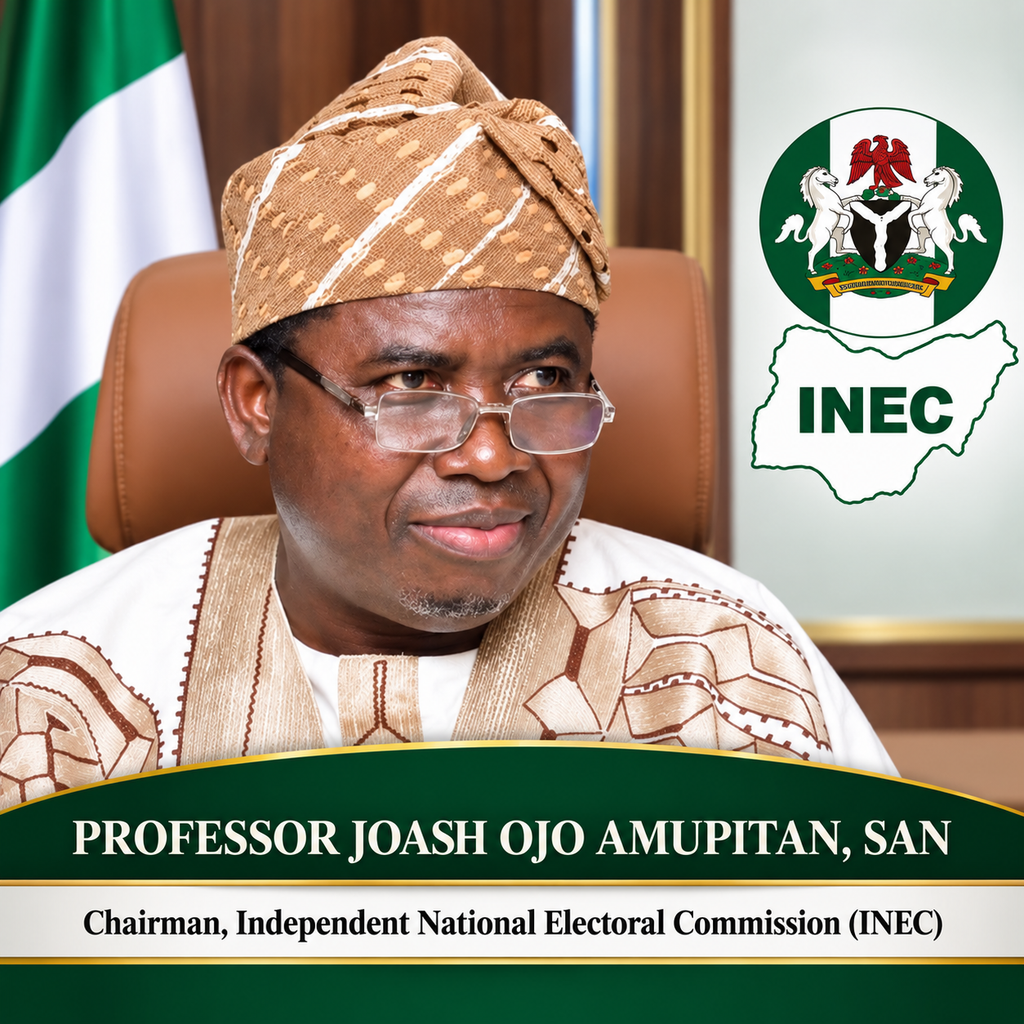
INEC’s October 6th moment should mark the start of a public record, and not another reassurance. After 2023, readiness has to be demonstrated and not merely declared. However, the venue optics question is legitimate. The venue for that meeting carries the name of the sitting President. The observation is not an accusation, but a reminder that independence must be felt as well as asserted.
Nigeria cannot put all its democratic eggs in one basket. INEC conducts elections, but confidence is a shared duty.
The youth confab should meet the same standards. Participation is not the same as influence. Who was included, who was left out, what happens to recommendations? These are measurable questions, not
cynical ones. Institutions cannot guarantee credible elections if political actors refuse to play by the rules. Candidates and parties must rediscover the spirit of sportsmanship. An election is a contest and not a war. Somebody will win, somebody will lose. Losing is not a crime, and no political ambition should be worth the blood of any Nigerian.
Another problem is the monetization of our elections. Vote-buying steals freedom. Today’s hunger must not be used to mortgage tomorrow’s future. Those who organize financial inducement must be
confronted, and not just the desperate recipients.
On intimidation, no Nigerian should have to weigh personal safety against civic duty. Politicians who seek the privilege of leading Nigeria must not endanger the citizens they hope to govern.
The women of Nigeria, who bear so much of the weight of the economy, deserve more than sympathy. They deserve the space and the freedom to choose. Their votes must not be purchased, their judgements must not be intimidated. The meal may last a day; the consequence of a vote may last for years. For citizens who intend to withdraw out of disappointment, silence too has consequences. Participation, vigilance, and peaceful insistence on accountability, these are the tools of democratic repair. Civil society must audit early and warn early.
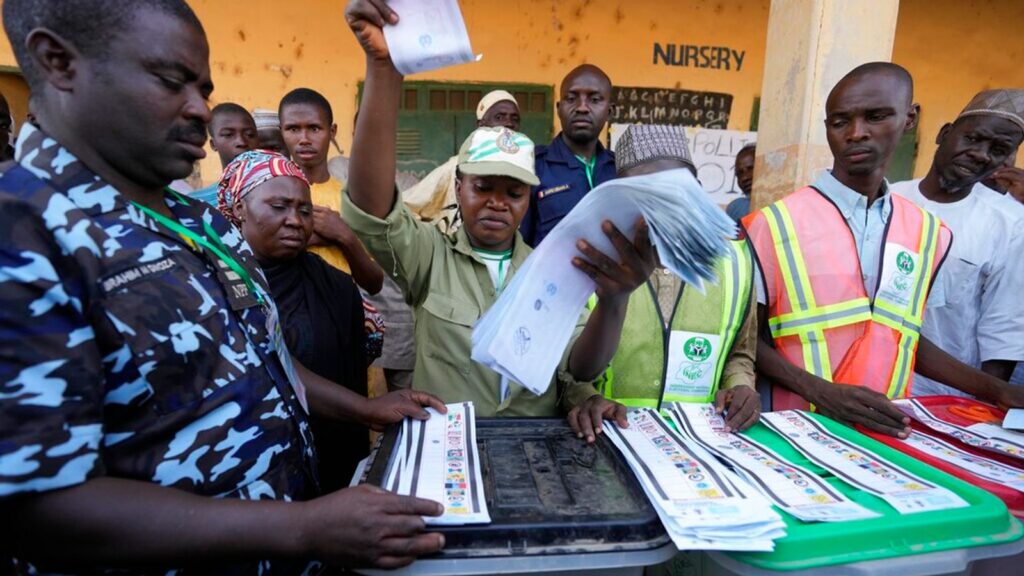
The security agencies must demonstrate measurable neutrality. The judiciary must remain steady and swift, but not become the default cure for avoidable failures. The media has to keep the ledger of promises and return to them. Verify claims across the board; examine official data and opposition rebuttals alike. Political parties must practice what they demand: peaceful conduct, responsible messaging, and internal accountability. The wider moral voices: traditional rulers should protect civic space, work for peace and not partisanship. The clergy should awaken consciences without converting pulpits into party platforms. Encourage reflection on issues but not dictate choices. Entertainers and influencers should use their reach for civic literacy and not for rally stages. International observers, within their mandate, should start earlier than election day, tracking implementation and not just writing postscripts.
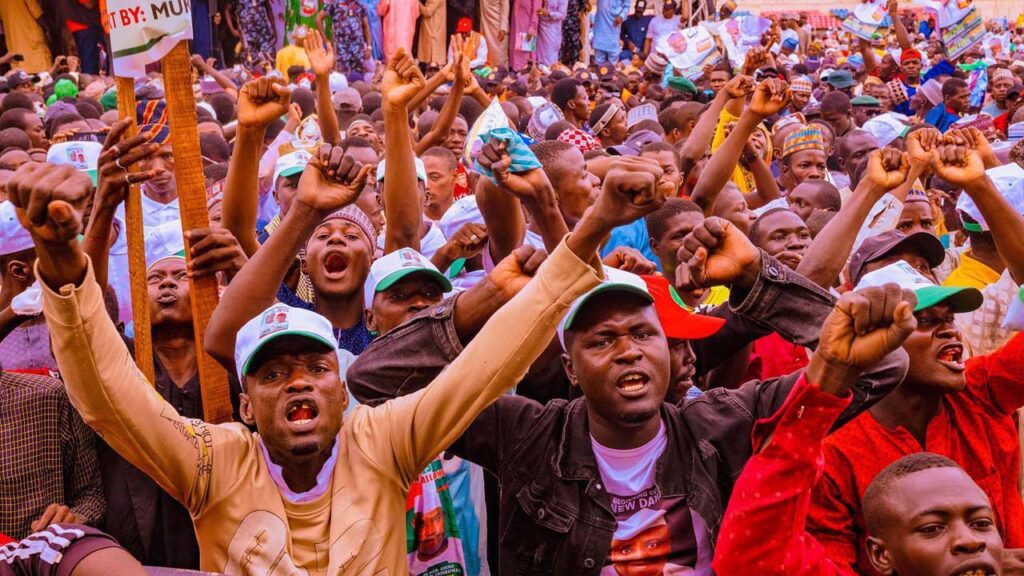
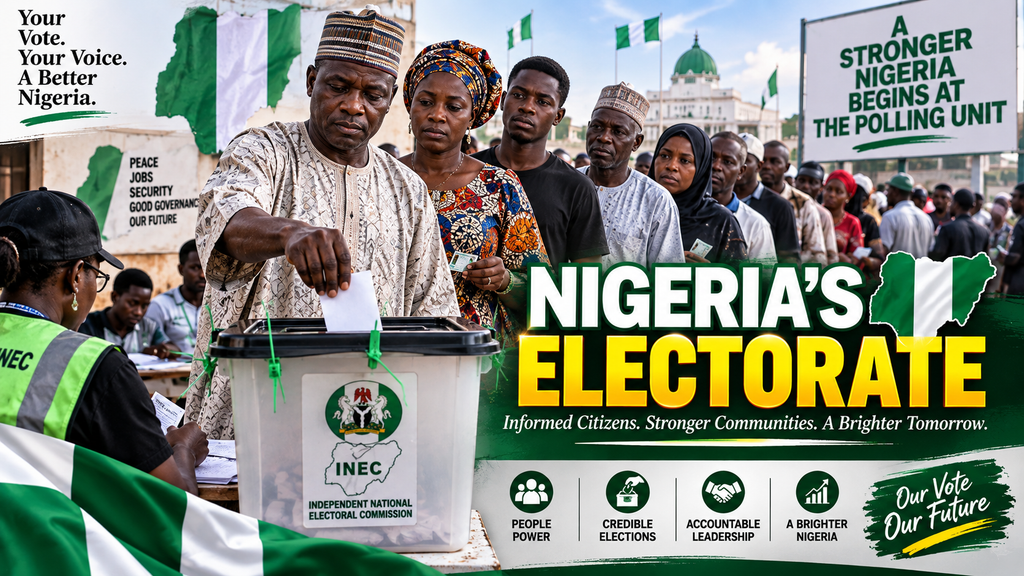
Through all this, the voter is the final destination. The task is not only how to vote, but interrogating what has been promised, what has been done, and what remains unproven. This time, the electorate
cannot just show up at the end; they should supervise from now.
History teaches us the cost of waiting, and that prevention is cheaper than cure. 2027 is not a date to await passively; it is a responsibility that starts now. Let Nigeria enter that election with an accountability ledger already in hand, because an election does not become credible only on election day, its credibility is built long before the first ballot.
Nigeria has spent too long searching for the light at the end of the tunnel. The task now is to light the tunnel as we go through with accountability, vigilance, and courage, and not by waiting in the dark.
The work begins now.
God bless Nigeria.
By Samuel Tunji Adeyanju